Let the forecast choose the hike
A Central Valley summer hike can feel manageable at the trailhead and punishing a short time later. Open paths, dry ground and long stretches without shade can make heat harder to escape, even on a route that looks easy on a map. Before leaving, check the forecast for the specific area you plan to visit, including the expected high, overnight low and any heat alerts. Conditions at a foothill trail or river access may differ from those at home.
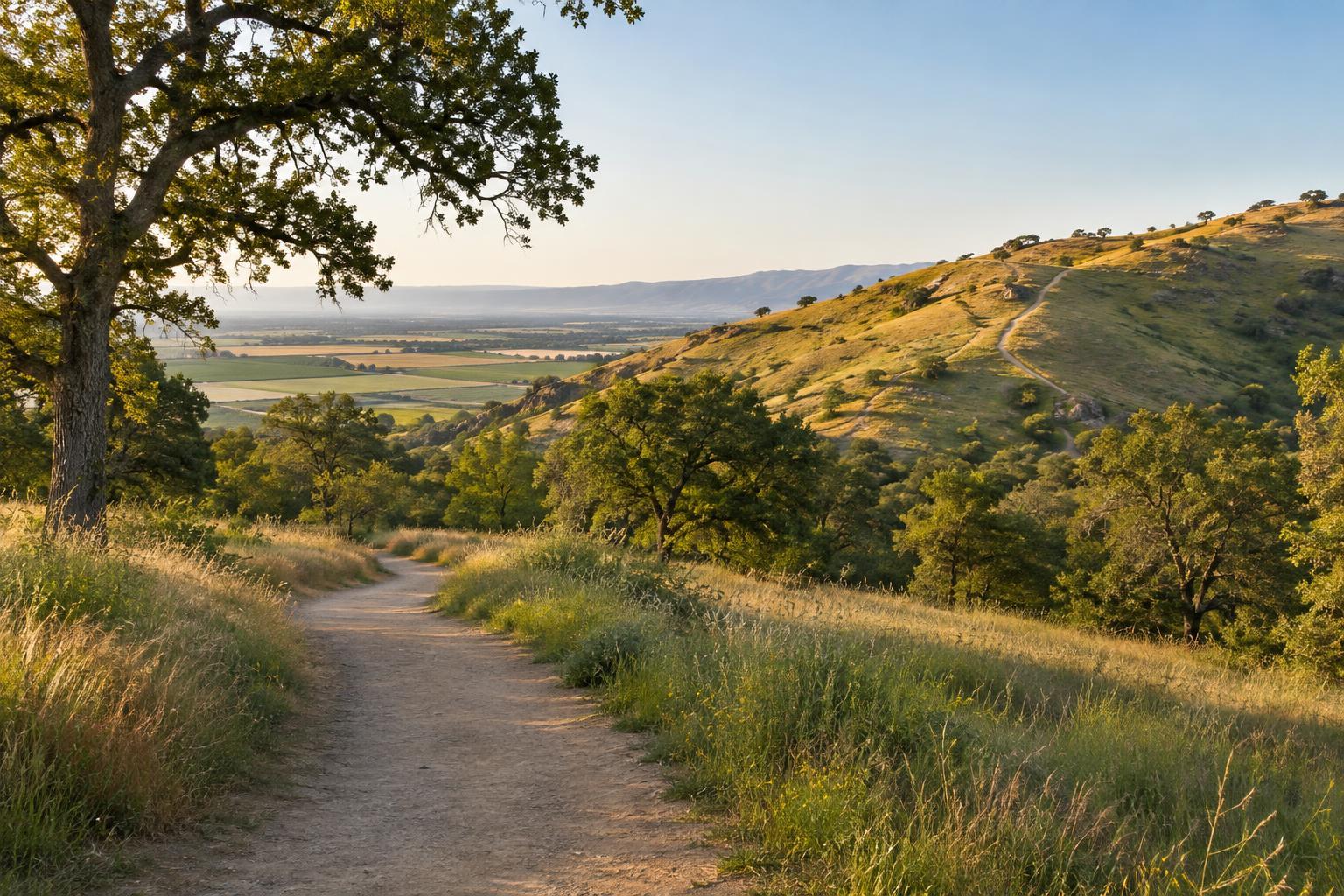
Choose a route that suits the day rather than forcing the day to suit your original plan. A short, familiar loop with easy access to the trailhead is often a better summer choice than a long out-and-back with exposed climbs. Look for reliable shade, a clear turnaround point and a place to stop if someone needs a break. If the forecast looks severe, move the walk to a cooler day or choose an indoor activity instead. Changing plans is part of hiking well.
Start early and set a firm turnaround time
An early start can help you finish before the hottest part of the day, but it is not a guarantee of cool conditions. Decide when you will turn around before you begin, then stick to that time even if the destination is close. Build in room for a slower pace, rest stops and the return trip. A route that feels comfortable on the way out may feel very different after the sun reaches an exposed section.
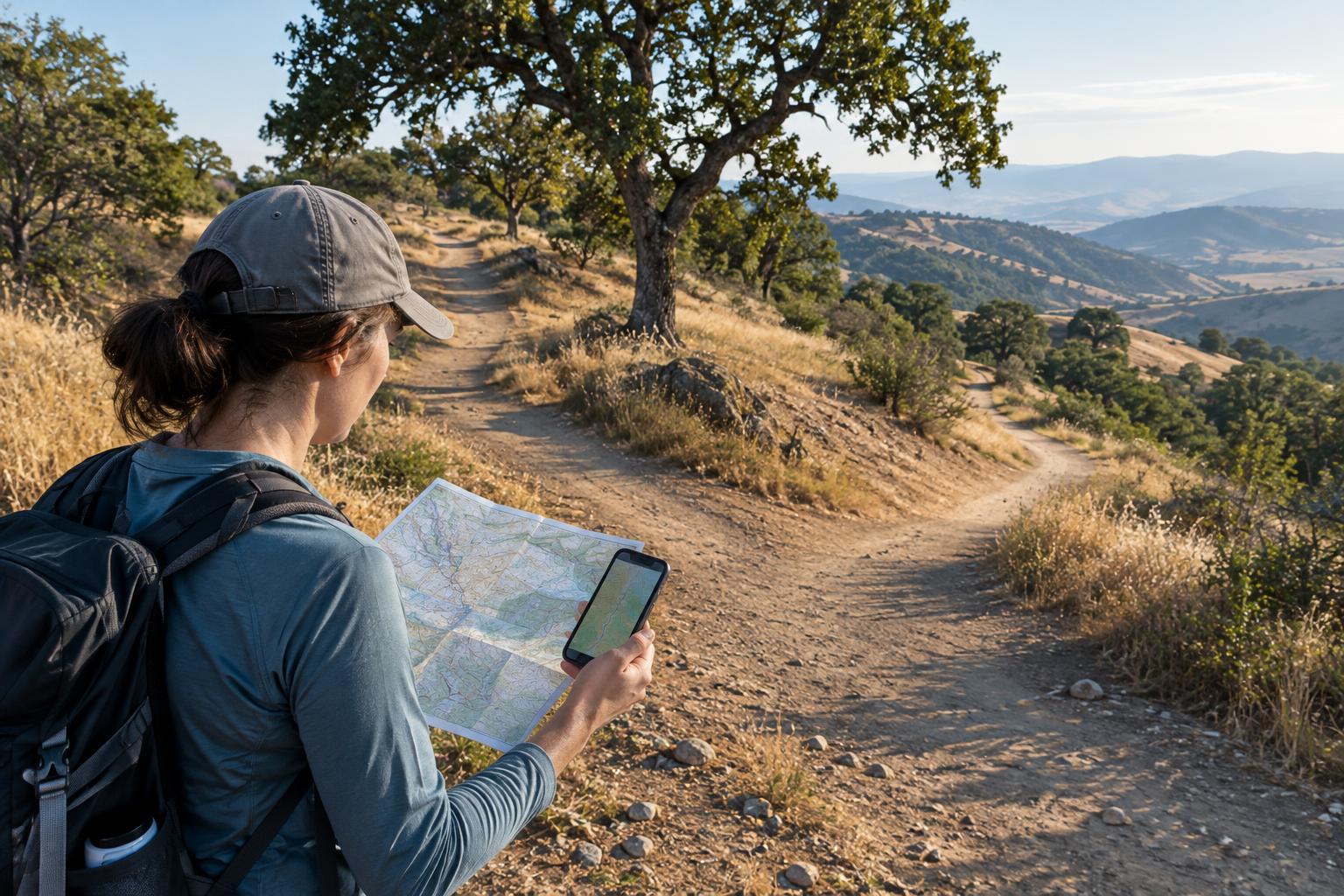
Tell someone where you are going and when you expect to be back, especially if you are hiking alone. Download or carry a map rather than relying entirely on cell service, and keep your phone charged. At the trailhead, read posted notices about closures, access and local hazards. If a path is unfamiliar, be conservative about distance; summer is not the ideal time to discover that a promising shortcut ends at a steep, unshaded climb.
Carry water you can count on
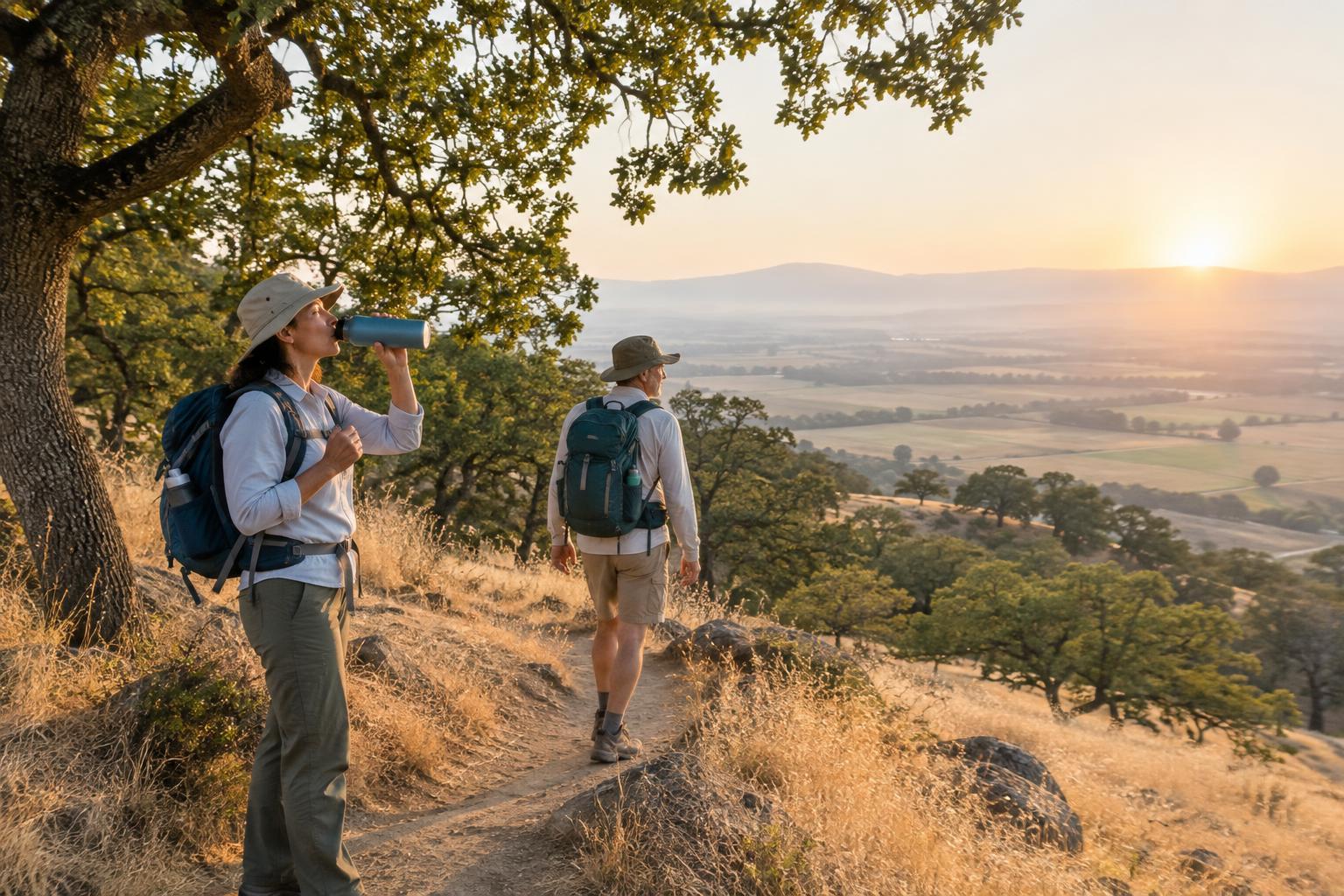
Bring more drinking water than you expect to use, and keep some available for the return journey. How much you need depends on the heat, your pace, the route and the people in your group, so a single amount will not fit every hike. Do not assume a creek, fountain or other water source will be present or usable unless you have confirmed it. If you are bringing a dog, plan for its water needs too; a dry trail can leave few safe places for an animal to drink.
Drink regularly and take breaks in shade when it is available. For a longer outing, pack food you will want to eat even when it is warm, and avoid making the hike more strenuous than necessary. Lightweight, breathable clothing, a brimmed hat and sun protection can make exposed miles more comfortable. Comfortable footwear matters as well: rushing over uneven ground to escape the heat is a poor substitute for choosing a shorter route.
Pay attention to the whole group
Heat affects people differently. Children, older adults, dogs and anyone who is unaccustomed to hiking in hot conditions may need a gentler pace or an earlier finish. Check in with companions instead of assuming that silence means everyone feels fine. Unusual fatigue, dizziness, headache, nausea or confusion are reasons to stop and take the situation seriously. Move to a cooler place if you can, and seek urgent help for severe or worsening symptoms.
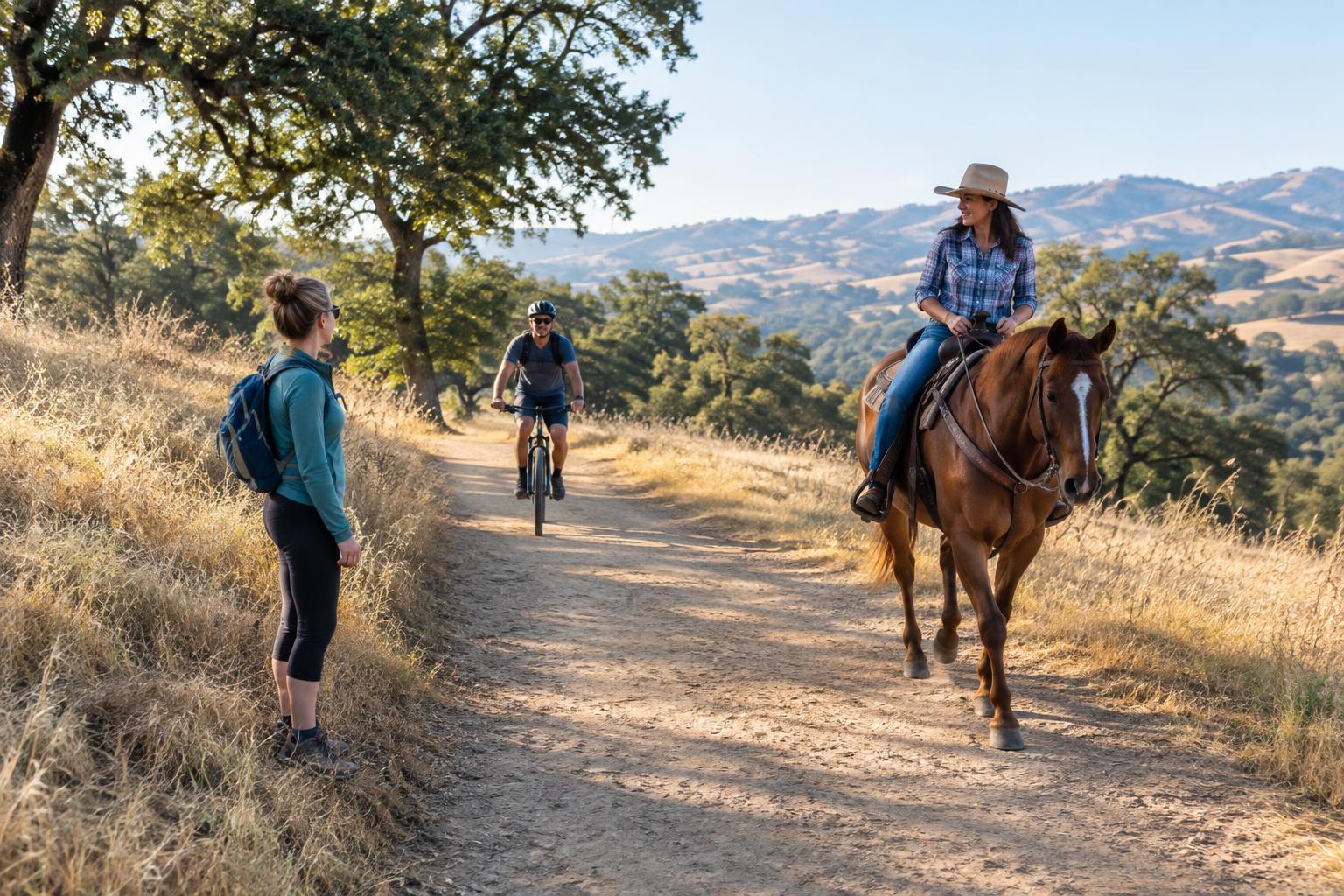
Make it easy for anyone to call for a break or a turnaround without having to defend the decision. If your group separates by pace, agree on where to regroup and avoid leaving someone alone on an exposed stretch. Watch dogs closely: hot surfaces can be hard on paws, and they cannot tell you when they have had enough. Sometimes the best shared outdoor experience is a brief walk followed by time somewhere cool.
Leave room for conditions to change
Heat is not the only summer consideration. Smoke, poor air quality, limited shade and changing trail access can all affect whether a hike is a good idea. Check available local information before setting out, and look again if conditions seem different when you arrive. Stay on established paths, follow posted rules and avoid activities that could create a fire risk. A shaded route may still be uncomfortable if the air is poor or the temperature remains high.
Keep a backup plan that preserves the pleasure of getting outside without requiring a demanding hike. A short morning stroll, a picnic in a permitted shaded area or a visit to an indoor community space can still make a memorable day. Central Valley summers reward flexibility. The goal is not to cover the most ground; it is to return with enough energy to enjoy the rest of it.