Think in windows, not fixed dates
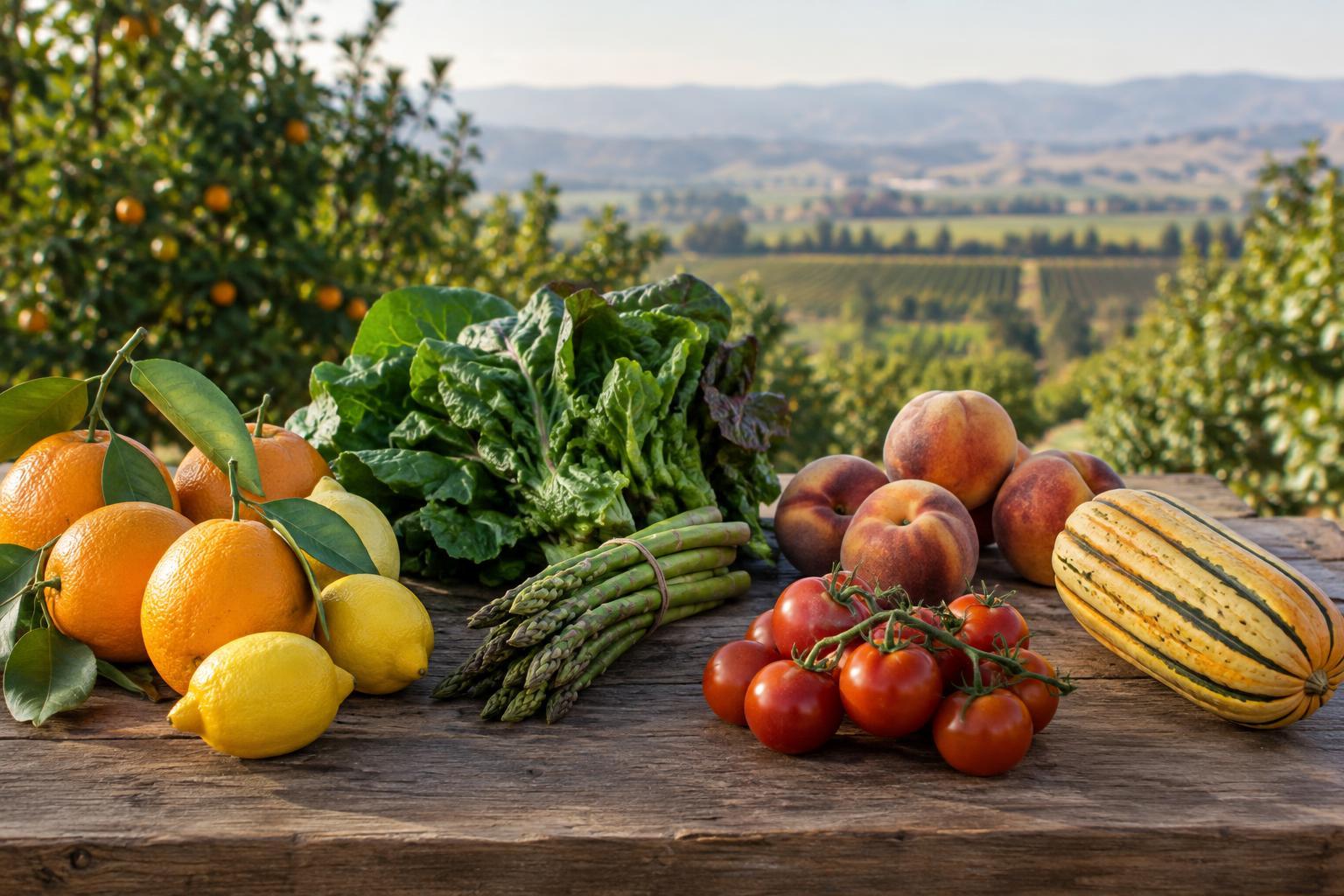
The Central Valley’s long growing season makes it possible to enjoy a wide range of regional produce, but there is no single calendar that fits every farm. The valley stretches across different elevations and local conditions. A warm spring can bring a crop forward, while a cooler one may slow it down. Varieties also ripen at different times, and produce at a market may have been harvested nearby or elsewhere in the region.
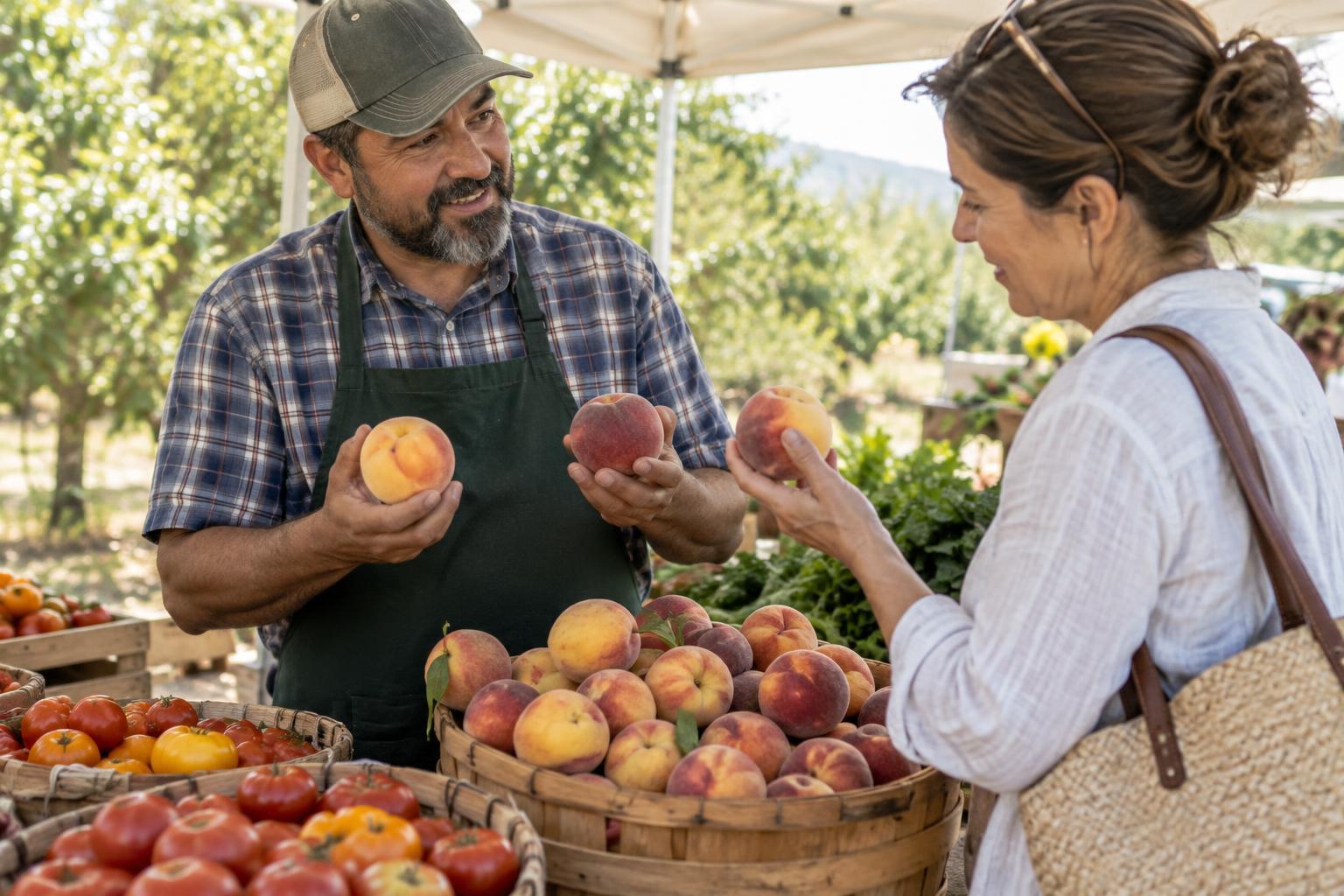
Treat seasonal lists as starting points rather than promises. A harvest window is the period when a crop is likely to be picked locally, not the only time you will see it for sale. Stored squash, for example, can remain available after its harvest, and protected growing conditions can extend the availability of some vegetables. If you are unsure where something came from or when it was picked, ask the seller.
Winter and spring: bright flavors and tender growth
Cooler months are a good time to look for citrus, including oranges, mandarins and lemons, alongside vegetables such as broccoli, cauliflower, carrots and leafy greens. Exact availability depends on the crop and location. At home, let these ingredients do simple work: add citrus segments to a greens salad, roast carrots and cauliflower together, or finish a pot of beans with lemon.
As days warm, spring often brings tender produce such as asparagus, peas and strawberries. Some cool-weather vegetables may still be plentiful while the first warmer-season crops begin to appear. This overlap is useful for cooking: pair asparagus with a citrus dressing, or serve strawberries after a meal built around greens and spring vegetables. Buy delicate items when you have a plan to use them soon; they tend to be more enjoyable before they lose their firmness and aroma.
Summer: the season of abundance
Summer is when many shoppers associate the Central Valley with ripe tomatoes, peppers, eggplant, zucchini, melons and stone fruit such as peaches, nectarines and plums. The arrivals are staggered rather than simultaneous. One peach variety may finish as another begins, and a seller’s selection can change from week to week.
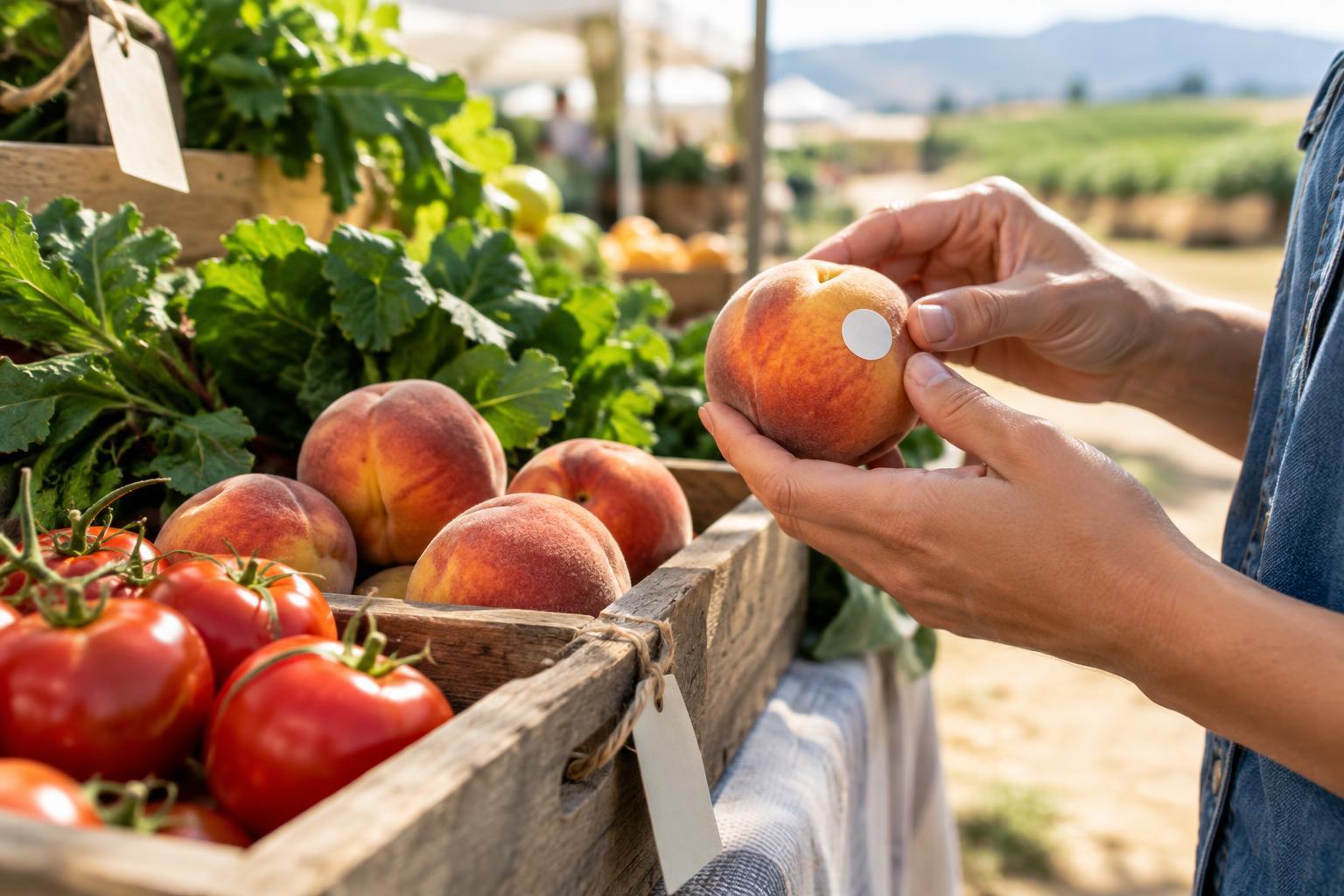
This is a good season to cook with a light hand. Slice tomatoes for a platter with a little salt and olive oil, grill zucchini and peppers, or serve ripe fruit on its own. When buying stone fruit, look for fruit with a pleasant aroma and no leaking or large bruises; firmness varies by variety and how soon you plan to eat it. Tomatoes that need another day to soften can sit at room temperature, while cut tomatoes should be refrigerated.
Fall: a gradual shift toward hearty cooking
Autumn does not arrive all at once in the produce aisle. Grapes, apples, pears, winter squash and pomegranates may appear as summer favorites taper off. Some tomatoes and peppers can continue into the season, depending on conditions. This makes fall a flexible time to cook: a tomato salad might sit beside roasted squash, or sliced apples might finish a meal of grilled vegetables.
Choose squash that feels heavy for its size and has an intact skin, then keep it in a cool, dry place until you are ready to cook it. Wash grapes just before eating, and refrigerate tender fruit if you will not use it promptly. Storage needs differ by variety, so ask a grower or seller when you bring home something unfamiliar.
Let the market shape your menu
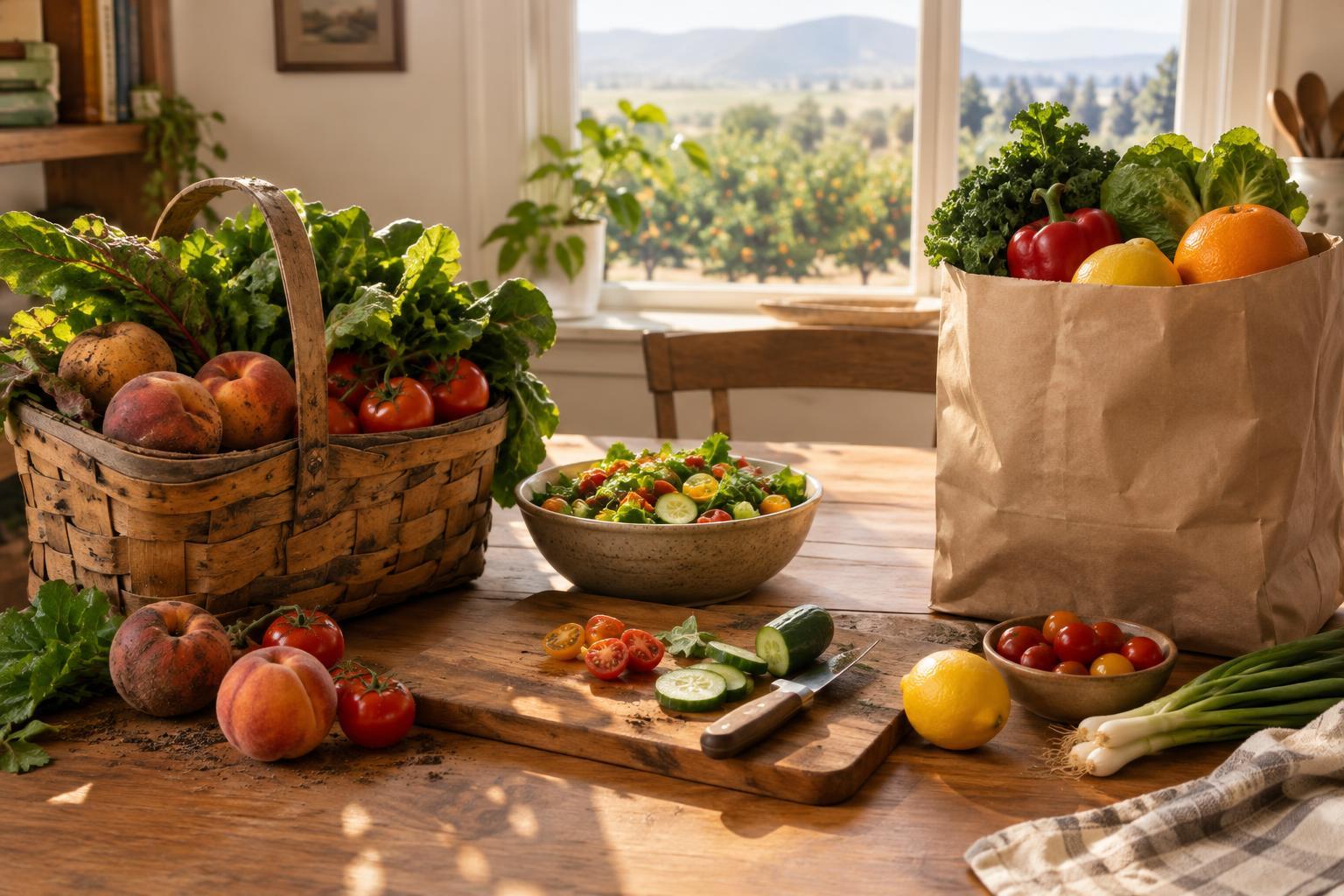
You do not need to memorize a crop calendar to shop seasonally. Start with one ingredient that looks appealing, then build a meal around it. In cooler weather, that might mean greens for a soup or citrus for a salad. In summer, it could be a basket of tomatoes for sandwiches and a quick sauce. In fall, a squash can become the center of a sheet-pan supper, with leftovers folded into a grain bowl.
Notice what appears in volume, what tastes good and what sellers say is nearing the end of its run. If a favorite is not available, choose a similar ingredient rather than chasing an exact recipe: swap one leafy green for another, or use whichever ripe stone fruit is on the table. Over time, these small observations become a more useful seasonal guide than a rigid list—and a satisfying way to cook with the Central Valley’s changing harvest.