Start with the meal, not the market
Buying produce in California’s Central Valley does not have to be a choice between the most charming shopping trip and the most efficient one. A farm stand may invite you to build dinner around what looks good that day. A grocery store may help you gather every ingredient for a planned recipe in one stop. Both can put good fruit and vegetables on your table.
Before deciding where to shop, think about your week. Do you need a particular ingredient, or are you happy to substitute one vegetable for another? Will you cook tonight, or are you stocking up for several days? A flexible cook with time to browse might enjoy a stand. Someone making a specific dish between other errands may find the grocery store more useful. The best choice is the one that fits both your appetite and your schedule.
What a farm stand does well
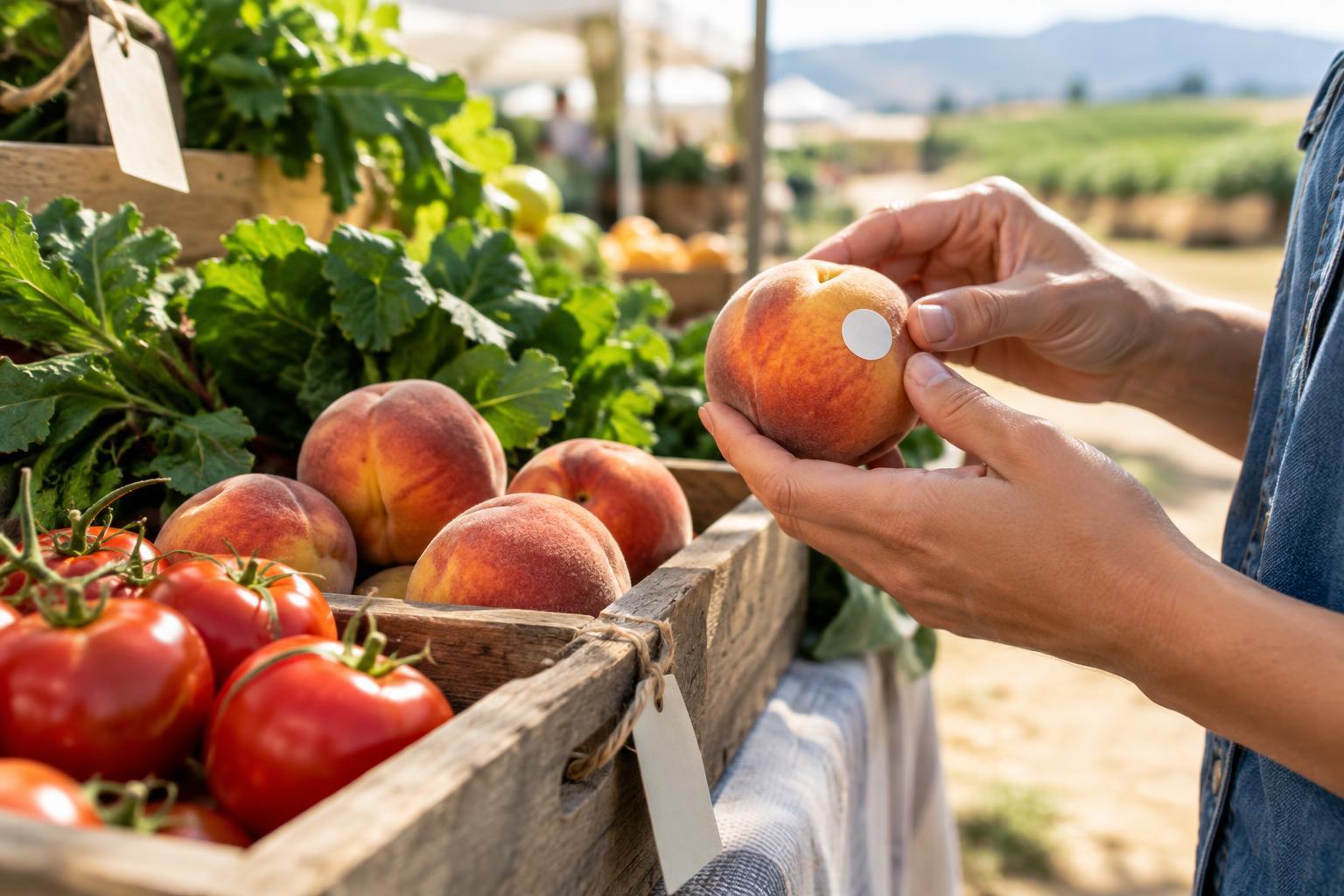
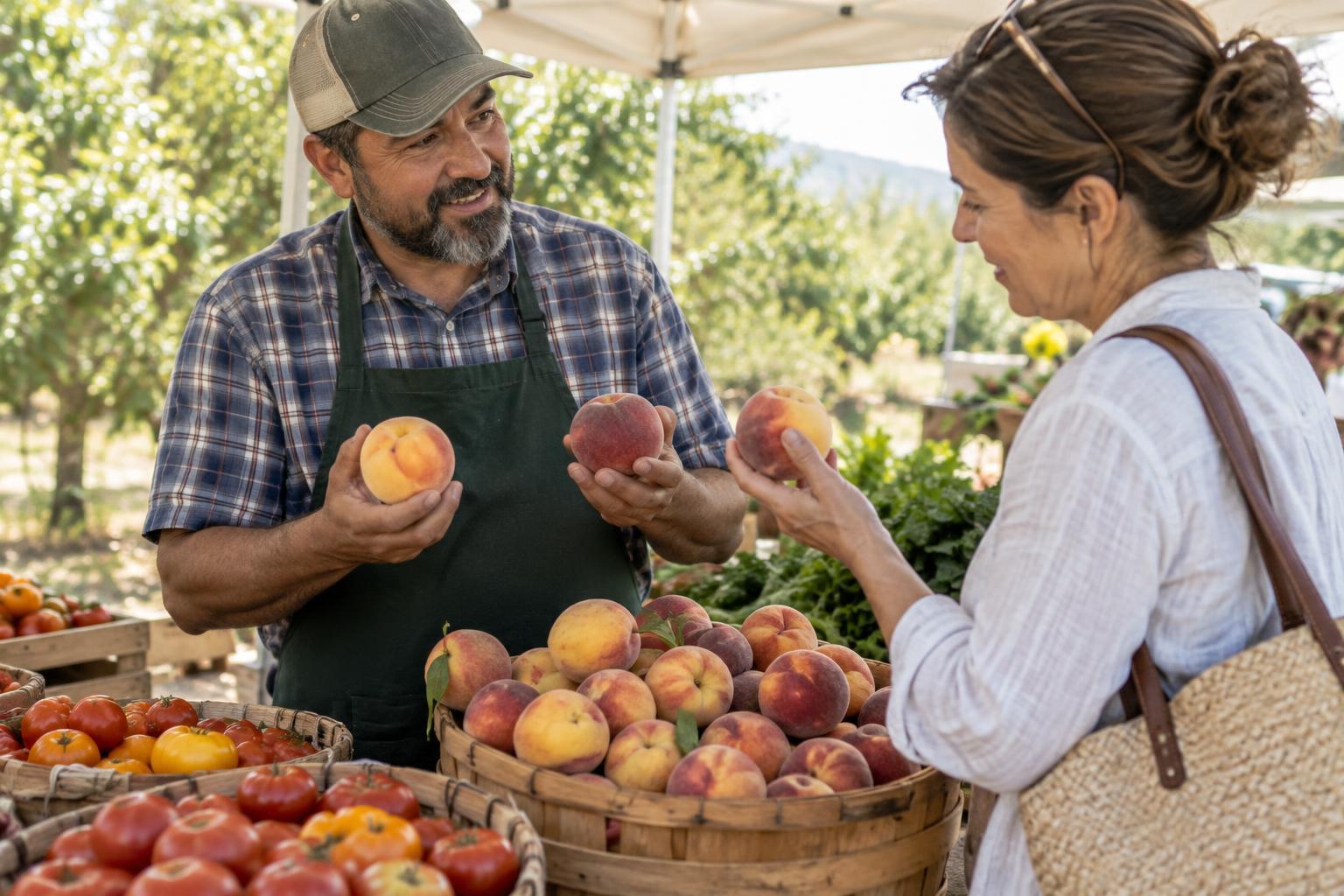
Farm stands are especially appealing when you want to shop with the season. The selection may be small, but that can make it easier to notice what is abundant and ready to use. You might come home with fruit for a simple dessert, vegetables for the grill or herbs that change your dinner plans. If the person selling the produce knows how it was grown or harvested, you may also be able to ask about varieties and how they like to prepare them.
A stand is not automatically cheaper, fresher or more local than every grocery option. Stands differ in what they sell and where they source it, so ask if those details matter to you. Hours, payment methods and selection can also vary. If you are making a special trip, check practical details before leaving when possible, and bring a short backup plan in case the ingredient you wanted is not there.
Where the grocery store earns its place
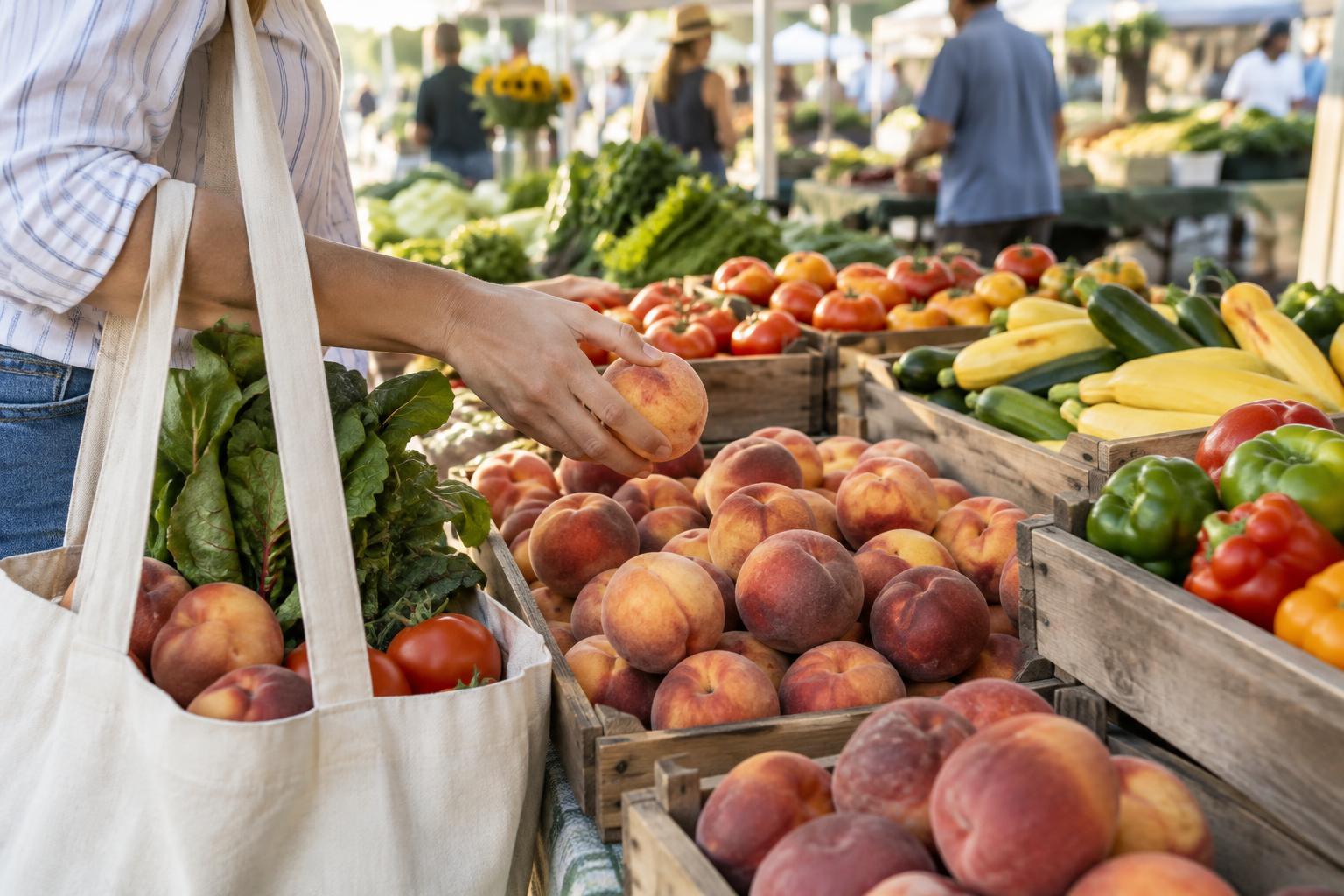
Grocery stores make it easier to shop from a list. They typically offer produce alongside pantry staples, dairy and other ingredients, which can save an extra stop. A broader selection may also help when a recipe calls for something that is not in season nearby. That predictability matters when you are feeding a household with different preferences or working around a tight schedule.
Do not overlook Valley produce in a grocery aisle. Read signs and package labels if origin matters to you, and ask a produce worker when the information is unclear. Then judge the item in front of you rather than assuming one type of seller always has better quality. Look for produce that feels appropriate for its type, without obvious damage or decay, and choose its ripeness according to when you plan to eat it.
Compare value by what you will use
The lowest price per pound is not always the best value. A large box of ripe fruit can be a bargain if you will share it, preserve it or use it promptly; it is less useful if half of it sits untouched. At either kind of shop, compare the amount you can realistically cook with the amount you are being offered. Smaller purchases can leave room in the budget for variety and help reduce waste.
Consider the full trip, too. A stand on a route you already travel may be an easy stop, while a distant one may take more time than you want to spend. A grocery store may offer convenient hours, but its produce selection might not inspire tonight’s meal. There is no need to make every purchase in the same place. You can pick up a seasonal highlight at a stand and buy the rest of your list wherever it is easiest.
Bring produce home with a plan
A little preparation helps any produce purchase pay off. Keep delicate items from being crushed on the way home, and separate anything that is very ripe so you remember to use it first. Follow storage needs for the particular fruit or vegetable rather than putting everything in the refrigerator by habit. Wash produce before preparing or eating it, and discard anything that has spoiled.
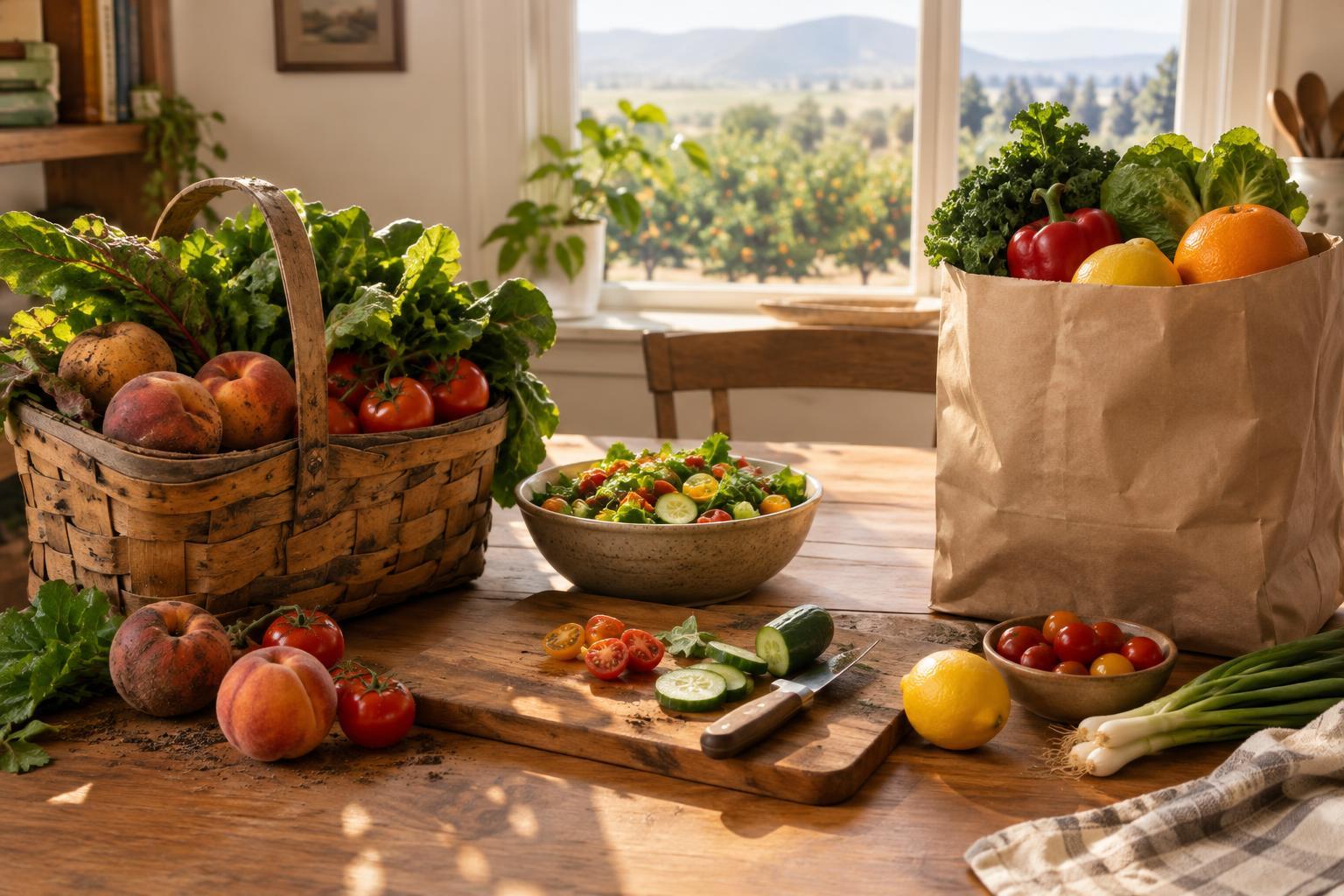
For an easy Valley-inspired meal, let one good find set the direction: ripe tomatoes can become a quick salad, sturdy greens can go into a skillet, and fruit can finish dinner without much fuss. If you prefer to follow a recipe closely, buy its essential ingredients first and leave room for one appealing extra. Farm stands reward curiosity; grocery stores reward planning. Mixing the two approaches can make shopping feel both practical and enjoyable.