Start with what you want to make
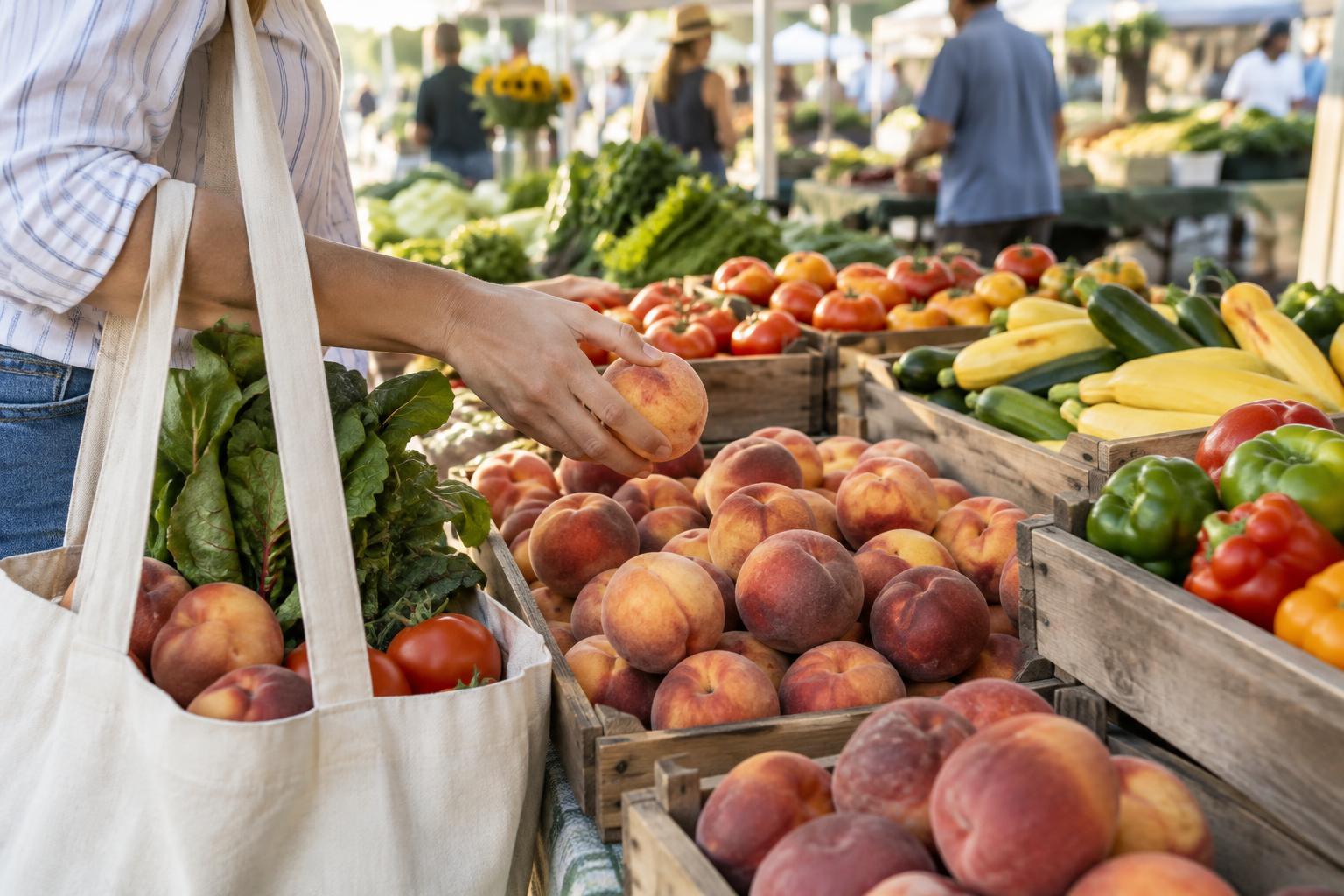
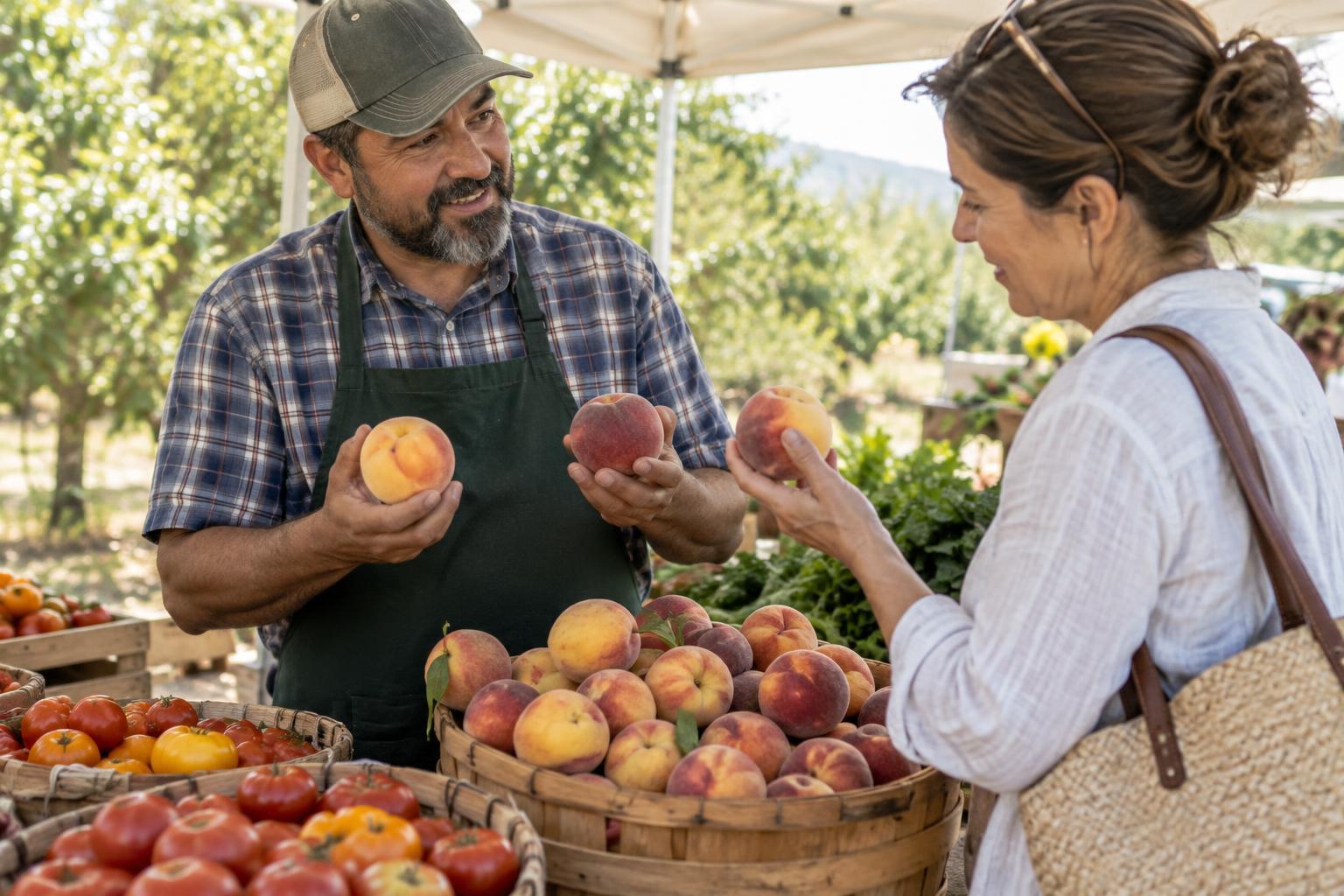
A display of peaches, tomatoes or squash can invite the simplest question: “Which one should I get?” A more useful conversation starts with your plans. Tell the grower whether you want fruit for lunch today, tomatoes for a sauce this weekend or squash that can wait a few days. That context gives them something concrete to work with, especially when several varieties look similar but behave differently in the kitchen.
Keep the exchange brief if the stand is busy. You might ask, “Which of these would you slice for a salad?” or “What would you choose for roasting?” If you are cooking for someone who prefers a mild flavor, say so. If you enjoy tart fruit, mention that instead. There is no need to know the names of every variety before you arrive; describing the result you want is a good place to begin.
Ask what makes a variety different
Variety names can be helpful, but a name alone may not tell you whether a piece of produce will suit your meal. Ask about qualities you can use: “Is this one firm or soft when ripe?” “Is it sweeter or more tart?” “Does it hold its shape when cooked?” For greens, you might ask whether the leaves are tender enough to eat raw or better suited to cooking. For beans or corn, ask how the grower likes to prepare them.
You can also ask what is distinctive about a variety without expecting a sales pitch. A grower may be able to point out a flavor, texture or cooking use you would otherwise miss. If they are selling several kinds of the same crop, asking them to compare two is often easier than requesting a rundown of everything on the table. Make a note of a variety you enjoy so you can recognize it on another visit.
Match ripeness to your schedule
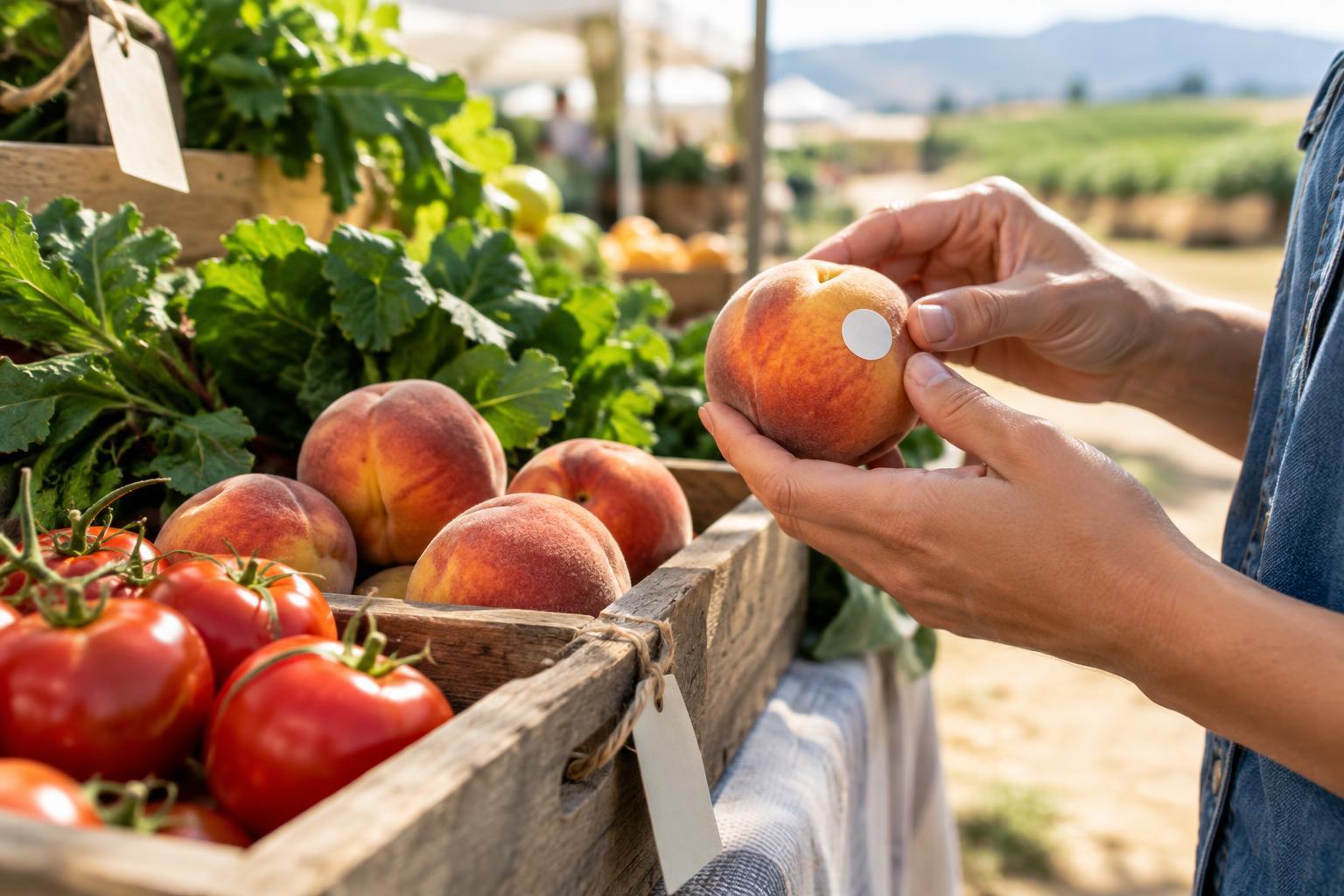
“Is this ripe?” is a good start, but “When would you eat this?” is often more useful. Produce that is appealing today may be past its best by the time you plan to serve it, while a firmer choice may be just right after a short wait. Tell the grower your intended day and ask which pieces they would pick for that timing. If you are buying several, you can request a mix for eating now and later.
Ask what signs to watch for at home, too. Depending on the crop, color, scent, give or leaf condition may be more informative than size. Ripeness cues vary by variety, and not every item becomes sweeter or softer after harvest. A question such as “What will change as this sits?” helps you avoid assuming that a hard piece of fruit will improve on the counter. When in doubt, buy a small amount first and learn what you like.
Get storage advice for the produce you bought
Storage habits that work for one ingredient can disappoint with another. Before leaving, ask whether your purchase belongs on the counter or in the refrigerator, whether it should stay dry, and whether you should wash it now or just before using it. If the item came with leafy tops, ask whether to keep them attached. These questions are especially worthwhile when you have bought an unfamiliar variety or more than you can use in one meal.
Let the grower know about practical constraints. A long drive home, a warm kitchen or limited refrigerator space may affect what you choose and how you carry it. Bring a bag or container that protects delicate produce from being crushed, and move perishable items into appropriate storage when you get home. Advice at the stand is a starting point; check your purchase over the next few days and use anything showing signs of decline first.
Keep the conversation easy
You do not need to conduct an interview to shop thoughtfully. Two or three questions can be enough: What is the difference between these varieties? Which is ready for my timetable? How should I keep it? Listen for answers that fit your plans, and feel free to change your choice. Buying less, trying one unfamiliar item or returning for more later can be more satisfying than taking home a bag you cannot use.
These small exchanges can make regional ingredients feel more approachable. They help you notice that produce is not interchangeable, even when it shares a familiar name. Over time, you may learn which textures you prefer for snacking, which flavors work in your home cooking and which storage routines fit your week. The best question is simply one that helps you bring something home and enjoy it.