Start with a manageable route
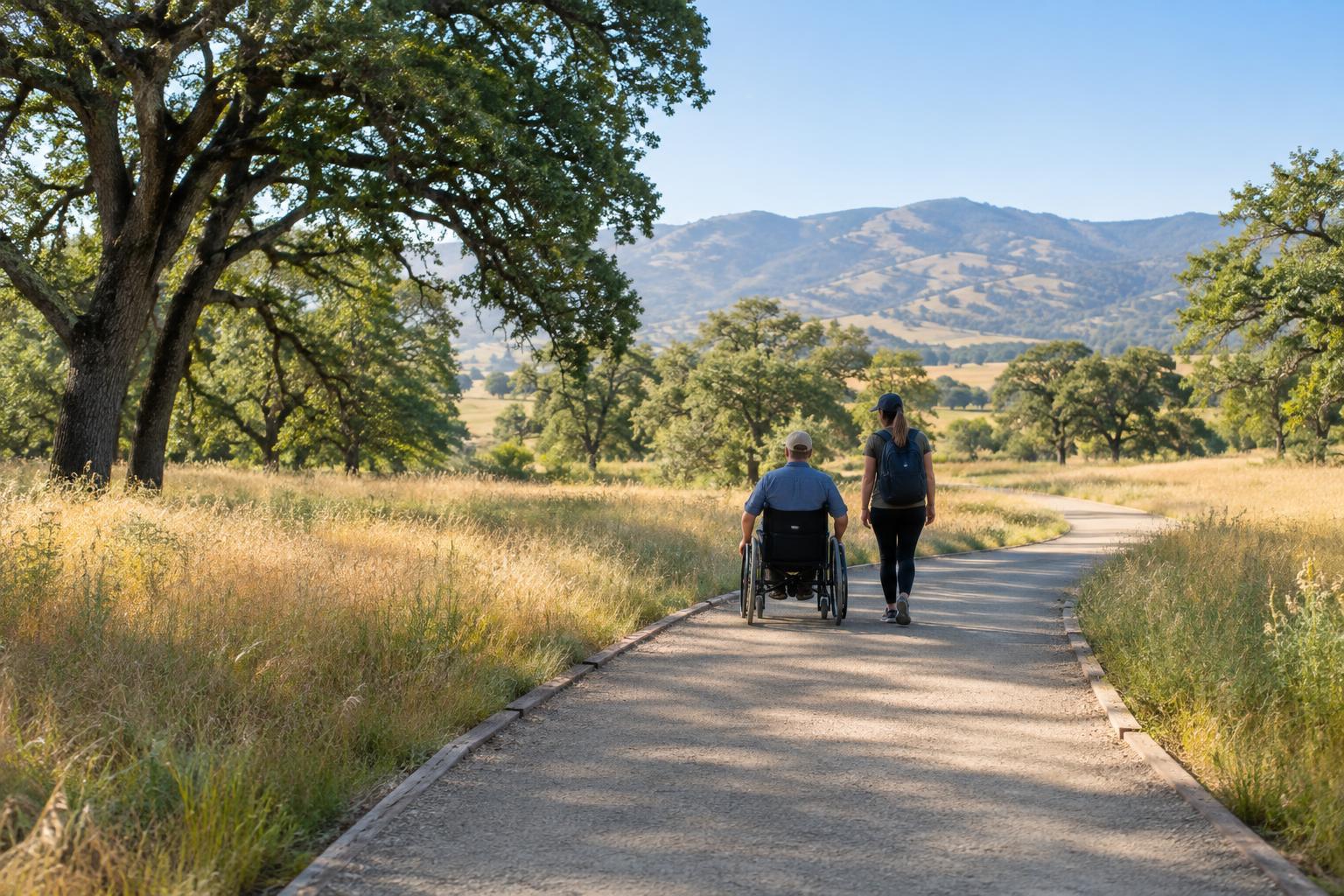
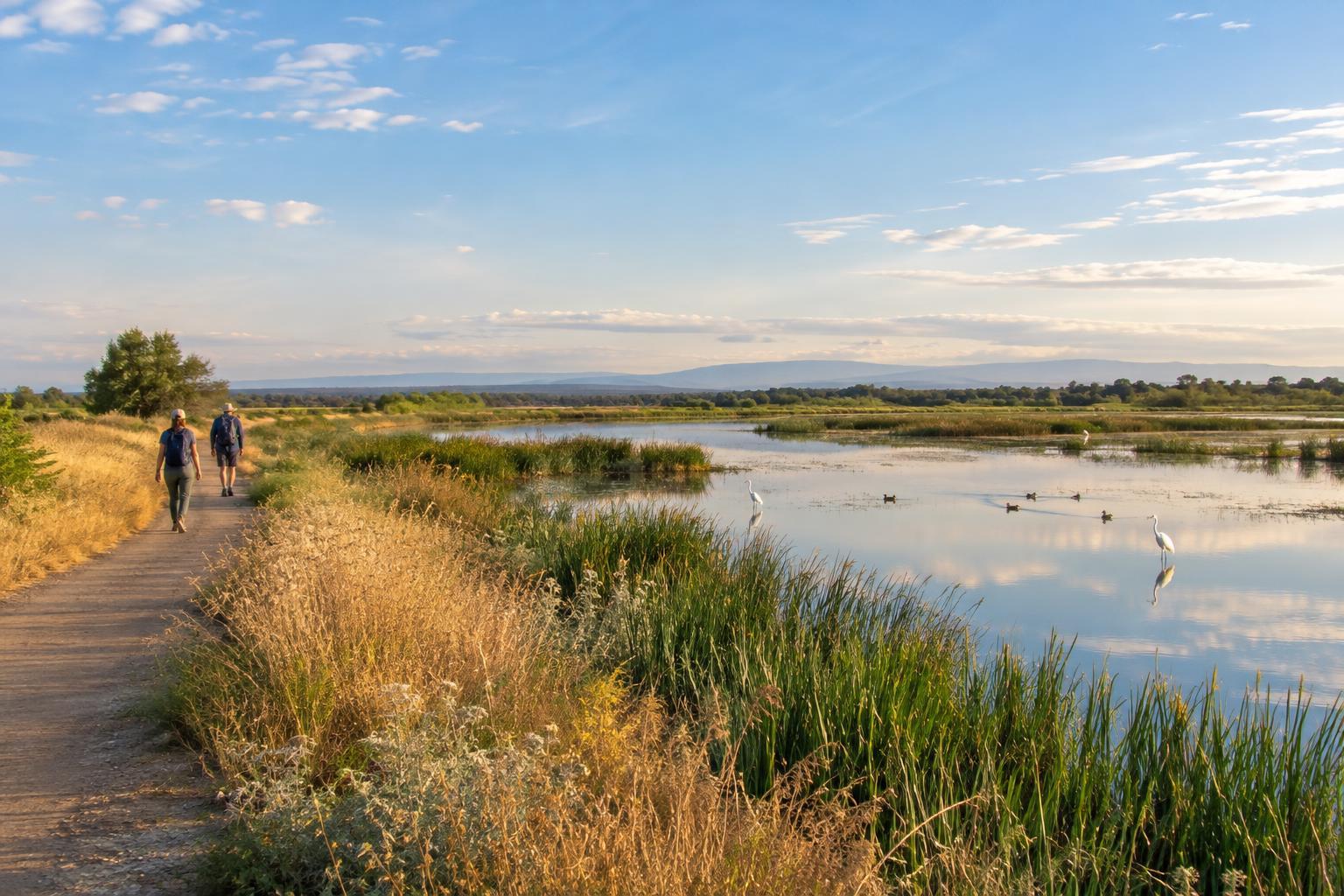
A wetland visit does not have to begin with a long hike. For a first outing, look for a public wildlife area, refuge or nature preserve with a clearly marked walking route or viewing area. An out-and-back path can be especially comfortable for beginners: you can turn around when you have had your fill without worrying about completing a loop. Check the managing agency’s visitor information before leaving home, since access points, hours and seasonal restrictions may vary.
The Central Valley’s wetlands include marshes, ponds, sloughs and seasonally flooded areas. Some are easy to view from a path or platform, while others are meant to remain undisturbed. Choose a place where visitors are welcome, stay on designated routes and respect gates and signs. If you are going with children or someone who prefers a gentler walk, consider the distance to the first viewing spot rather than the total length of the trail.
Plan for conditions, not just mileage
Wetland paths can feel different from one visit to the next. Exposed stretches may offer little shade, and ground near water can be muddy even when the rest of the trail looks dry. Wear comfortable shoes with traction and bring drinking water, sun protection and an extra layer if temperatures may change during your visit. In warmer weather, insect repellent can make stopping to watch birds more pleasant.
Before you set out, check the local forecast and any posted site notices. After rain, a short path may take longer than expected; on hot days, even an easy walk can feel tiring. A small bag with water, a snack and a charged phone is usually enough for a brief outing. Let someone know where you plan to go if you will be walking alone, and turn back early when conditions no longer feel comfortable.
Watch wildlife by slowing down
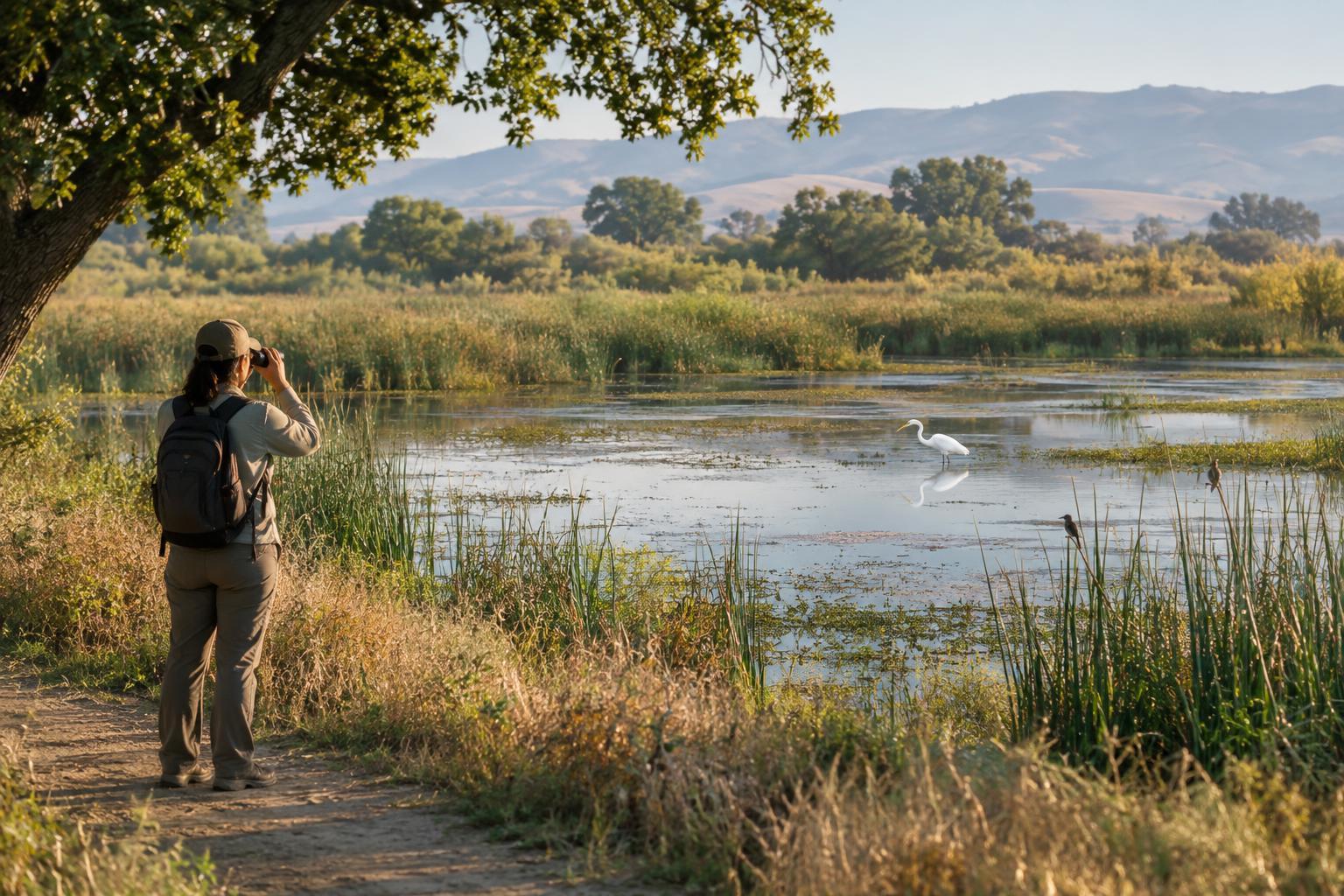
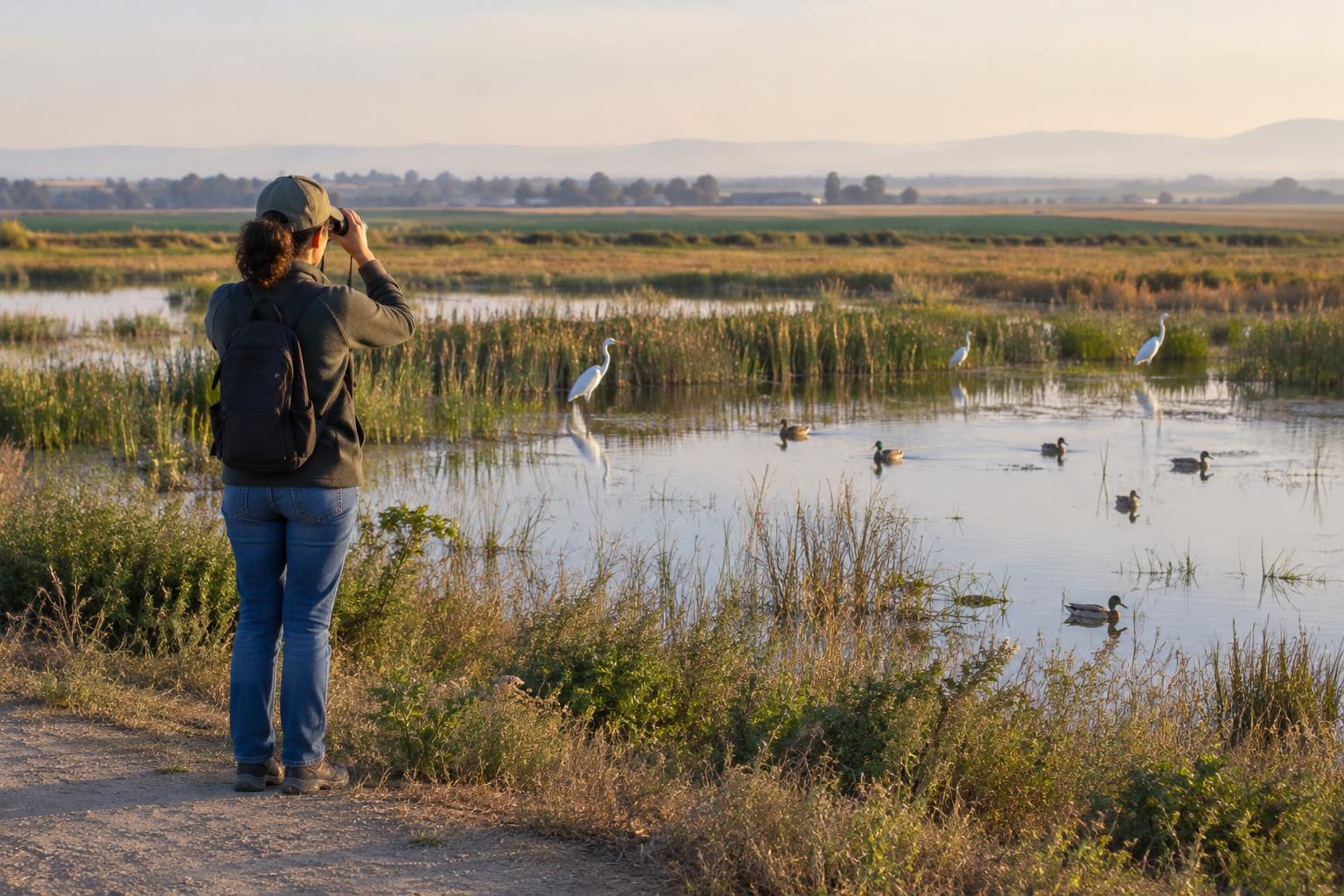
You do not need to identify every bird to enjoy a wetland. Pause at the edge of an open view and look for movement: a bird wading through shallow water, ripples near reeds or a group lifting off in the distance. Binoculars are useful, but they are optional. Try watching one patch of habitat for several minutes before moving on. Quiet observation often reveals more than covering as much ground as possible.
Bird activity can vary with water levels, weather and season, so treat any sighting as a welcome surprise rather than a promise. If you want to learn names, note a bird’s size, shape, colors and behavior, then consult a field guide later. Keep your distance from animals, especially those resting or tending young. If a bird moves away because you approached, give it more room. Never feed wildlife; the best encounter leaves animals free to carry on with their usual behavior.
Leave the habitat as you found it
Wetlands can look open and resilient, but their edges provide shelter and food for many living things. Remain on paths, boardwalks and approved viewing areas instead of stepping into vegetation for a closer photograph. Pack out wrappers and other trash, and avoid picking plants or collecting feathers and other natural objects. If pets are permitted, follow leash rules and keep them away from wildlife and the water’s edge.
Share viewing spaces thoughtfully. Speak softly when others are watching animals, leave room for people to pass and follow any rules about bikes, fishing or other activities. Some public wetland areas have different uses at different times of year, so posted guidance matters more than assumptions based on an earlier visit. Respecting those boundaries helps keep the outing enjoyable for other visitors while protecting the place you came to see.
Make a small day of it
A satisfying first visit might be a short walk, a long pause at one overlook and lunch afterward. Bring a notebook if you like to sketch or jot down what catches your attention: the sound of wind through reeds, the shape of a cloud reflected in water or an unfamiliar bird call. You can also take a few photos to compare on a future visit. There is no need to turn the experience into a checklist.
If you return at another time of year, you may find a familiar path looking quite different. Water, vegetation and animal activity all change, and that variation is part of the appeal. Start with a route that feels easy, stay curious and leave yourself enough time to stand still. For a beginner, learning to notice a wetland is as worthwhile as reaching the end of the trail.