Let the Place Set the Pace
Wildlife watching does not require a remote destination or a rare sighting. In the Central Valley, a slow walk beside a field, a pause near a wetland, or a quiet hour in a neighborhood green space can offer plenty to notice. The aim is not to get as close as possible. It is to see what animals do when they have room to carry on.
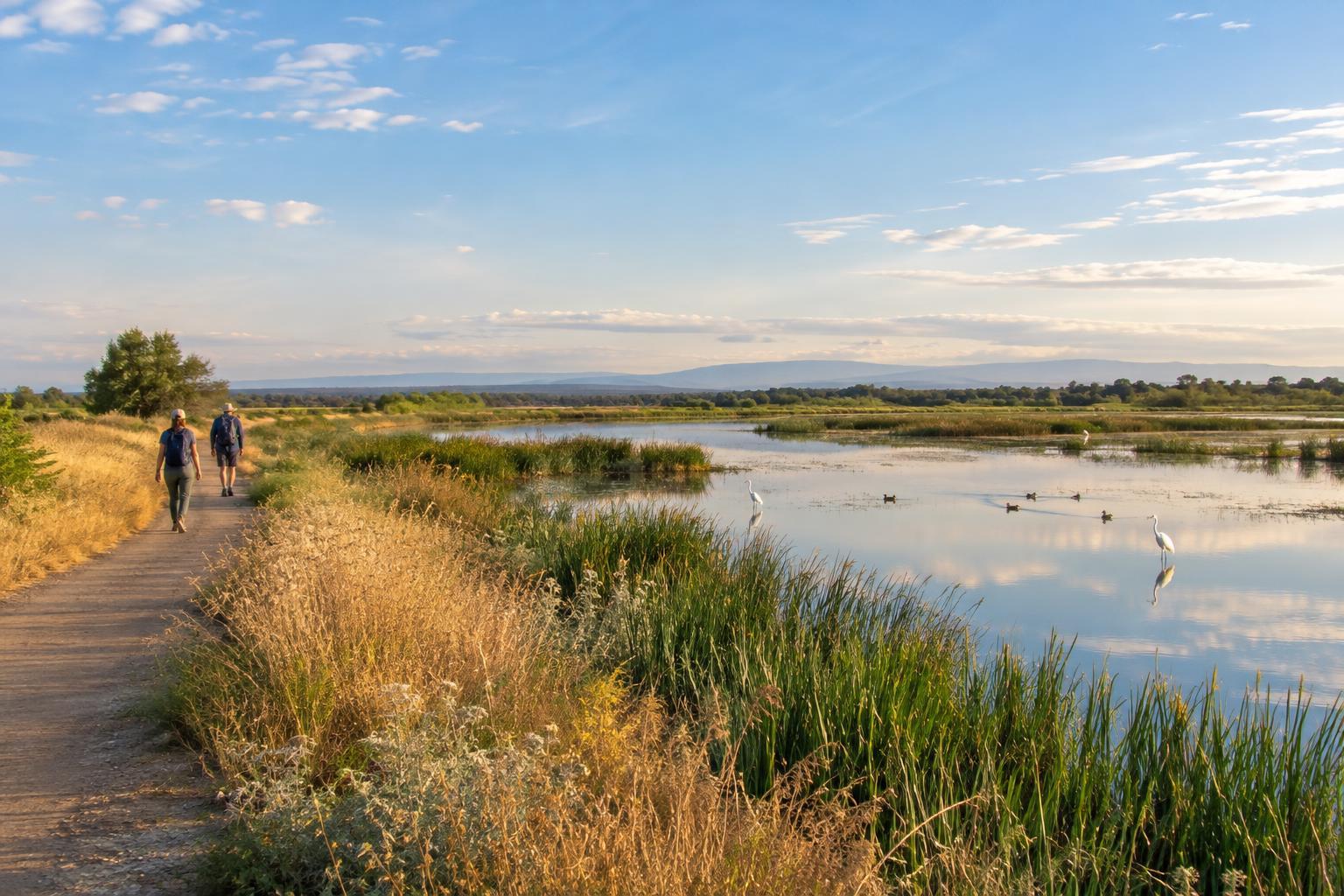
Before setting out, learn the rules for the place you plan to visit. Trails, viewing areas and seasonal closures may be there to protect habitat as well as visitors. Start early or take your time in the softer light later in the day if that suits your outing, but avoid assuming any particular animal will appear. A comfortable spot and a willingness to wait are more useful than a packed itinerary.
Watch for Comfort, Not Just Distance
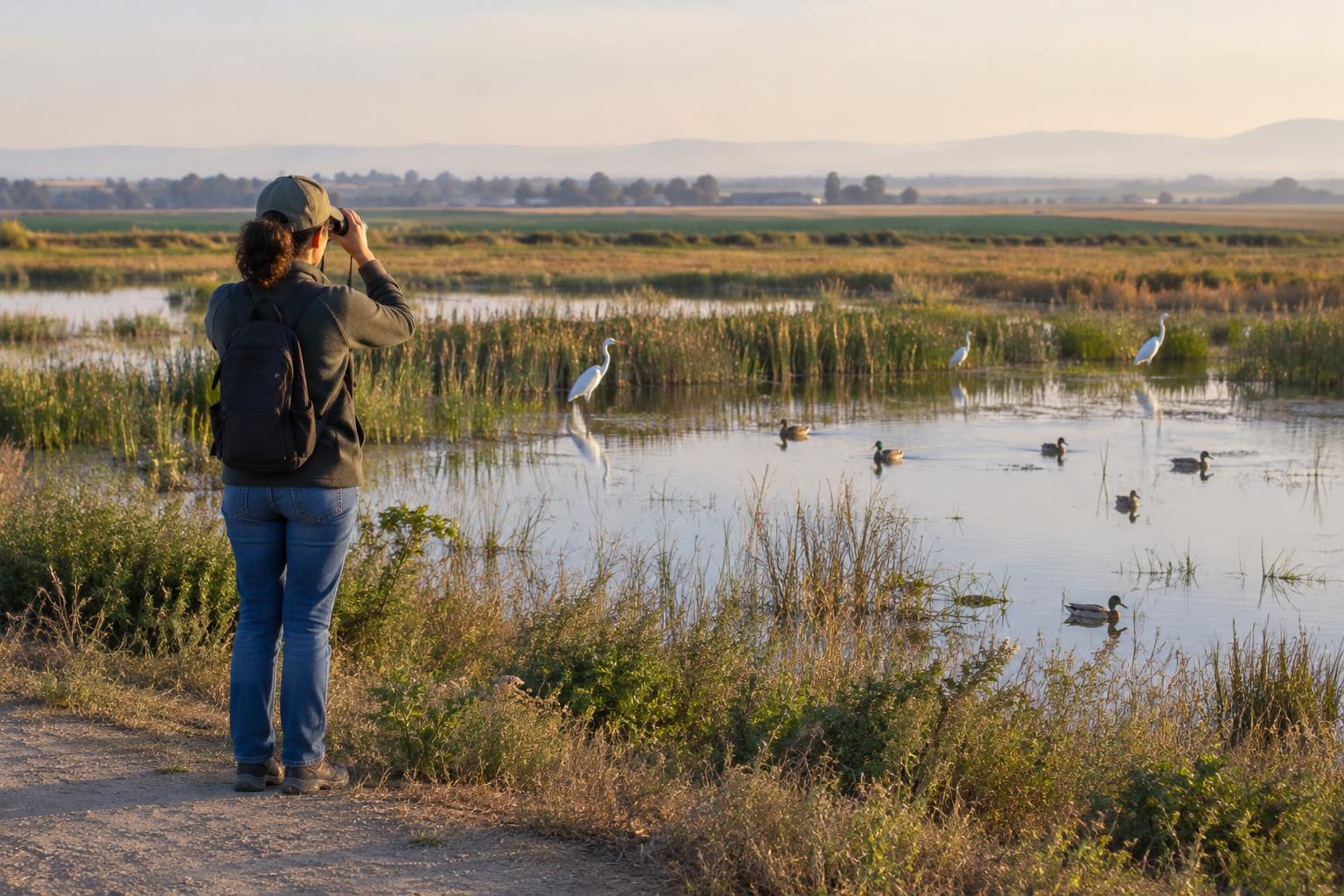
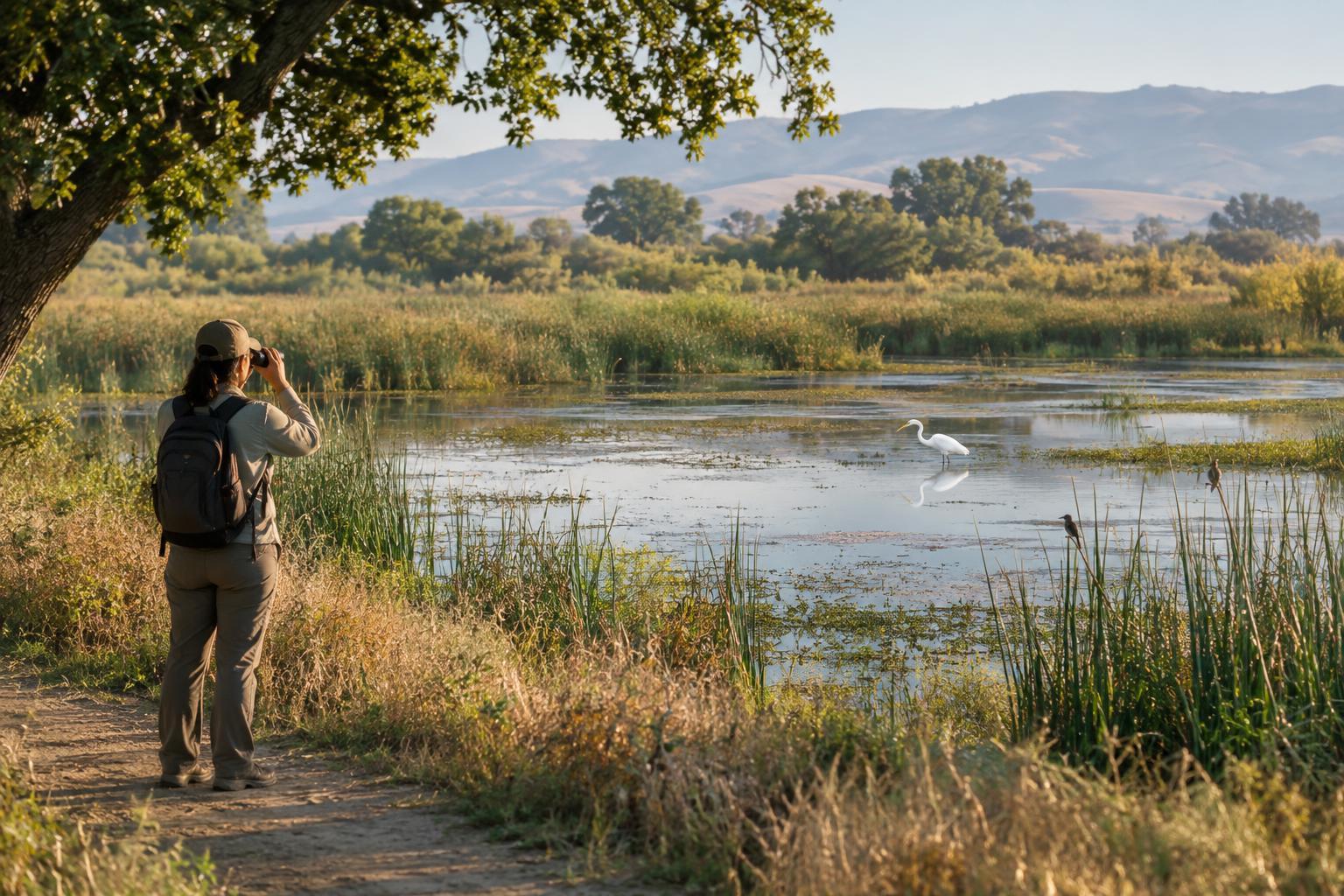
A good viewing distance depends on the animal and the setting. Binoculars let you enjoy detail without moving closer; a camera zoom can serve the same purpose. If an animal stops feeding, changes direction, repeatedly looks toward you, gives an alarm call or moves away, treat that as a cue to back off. Never surround an animal or block its path to cover, water or its young.
Be especially cautious around nests, dens and resting places. Young animals may look unattended even when an adult is nearby. Rather than investigating, move on and give the area space. If you are with a group, keep voices low and avoid spreading out around a sighting. Watching quietly from one place usually offers a better experience than following an animal down the trail.
Leave Food and Habitat Alone
Feeding wildlife may feel generous, but it can draw animals toward people and change how they seek food. Keep snacks packed away, carry out scraps and dispose of rubbish securely. The same care applies to small creatures: avoid turning over logs, pulling apart plants or reaching into burrows for a better look. A habitat is more than a backdrop for a photograph.
Stay on established paths where required, and step carefully in places where off-trail travel is allowed. Wetland edges, dry vegetation and streambanks can be easy to damage without noticing. Leave feathers, nests and other natural finds where they are unless site rules say otherwise. If you want a reminder of the outing, take a photo or make a note of what you observed.
Make Photography Part of the Quiet
The best wildlife image is not worth a disturbed animal. Set up where you can remain still, use available light when possible and skip a shot if getting it would mean pushing closer. Avoid flash around wildlife, and do not play calls or recordings to draw animals out. If branches or distance obscure your view, let the scene stay partly hidden.
Think about what a photo cannot show: the sound of birds moving through reeds, the route an insect takes between flowers, or the way a lizard pauses before crossing a warm path. Taking a few minutes to observe before lifting a phone or camera can make the encounter more memorable. It can also help you notice when your presence is changing the animal’s behavior.
Bring Others Along Thoughtfully
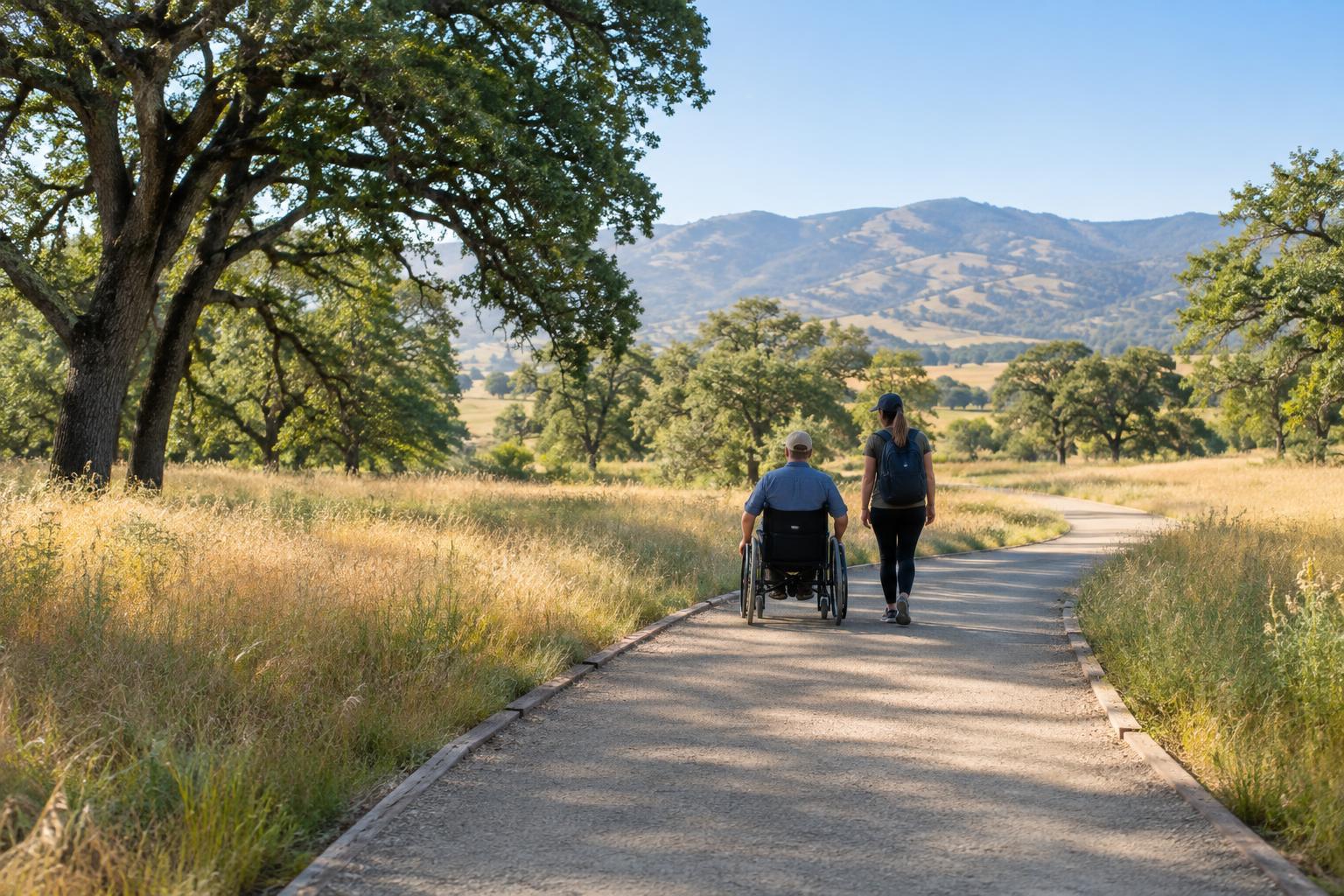
A shared outing works best when everyone knows the plan. Tell children that stillness and quiet are part of the adventure, and offer them something specific to notice, such as colors, tracks or different bird shapes. Keep pets under control and follow local leash rules; even a friendly dog can startle wildlife or wander into sensitive areas. Give other visitors room to watch without crowding them.
When you leave, check your resting spot for litter and return by the permitted route. If you encounter an injured animal, give it space and seek guidance from the appropriate local wildlife authority rather than trying to handle it. Most encounters call for less action, not more. By watching patiently and leaving the setting intact, you make it possible for the next visitor to discover it in much the same way.