Start with the kind of evening you want
A relaxed dinner begins with a manageable plan, not a long recipe list. Invite a number of people you can comfortably seat and feed, whether that means four around a kitchen table or a few more spread between indoor and outdoor spaces. When you invite them, ask about food needs and share a rough serving time. Those two details make the rest of your decisions easier.
Choose one part of the evening you want to enjoy yourself. Perhaps it is lingering over the main dish, eating outside when the weather is pleasant, or letting friends help finish a salad. Use that as your guide. If conversation matters more than a formal presentation, serve food from platters and bowls so people can help themselves. You can still make the table feel thoughtful without managing several courses.
Let available ingredients shape the menu
Central Valley-inspired cooking can be as simple as making good use of what looks appealing at a produce stand or grocery store. Build the meal around one or two fruits or vegetables that seem especially fresh. Tomatoes, squash, citrus, stone fruit, and leafy greens are useful possibilities at different times of year, but availability varies. Choose by condition and flavor rather than trying to match a fixed seasonal checklist.
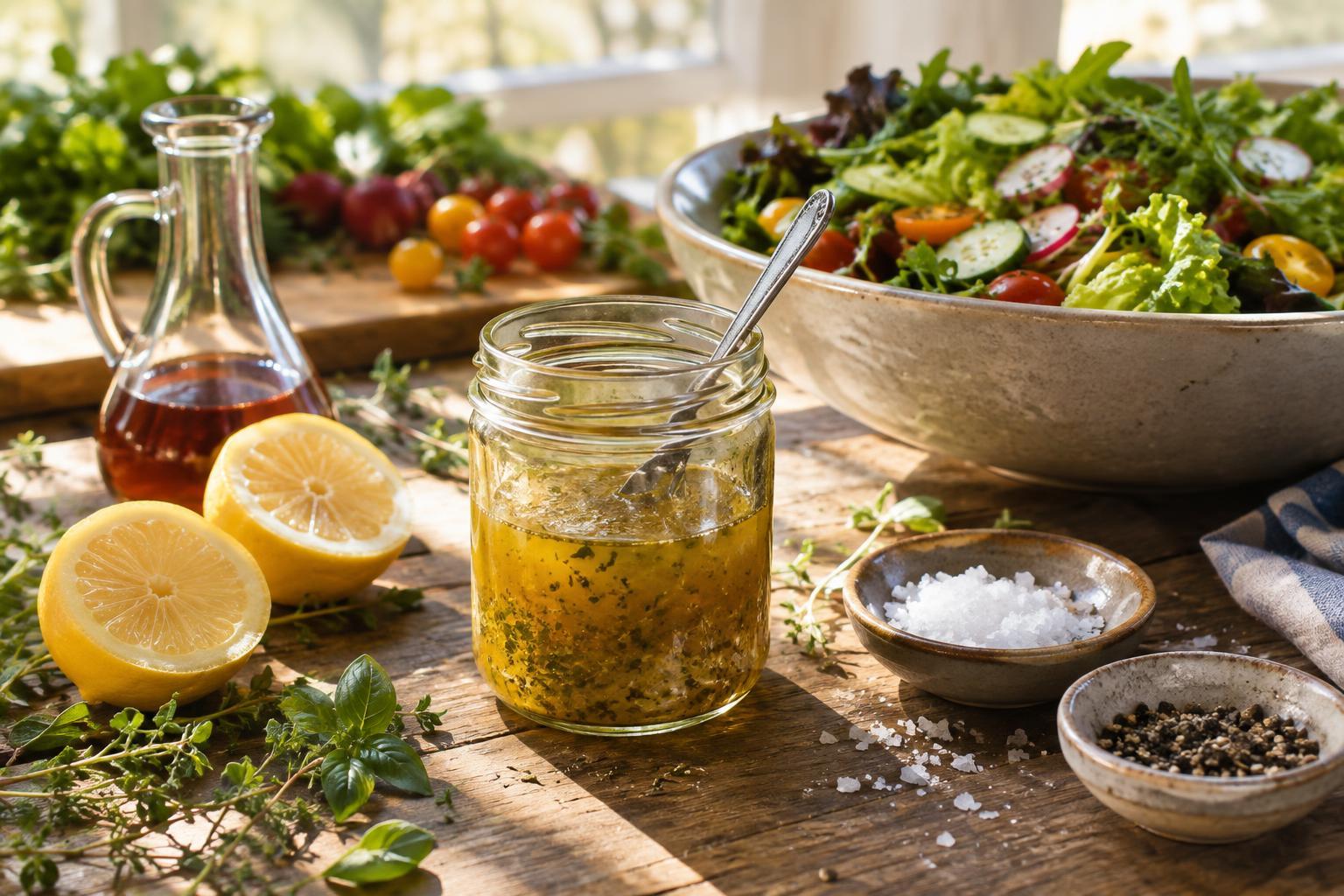
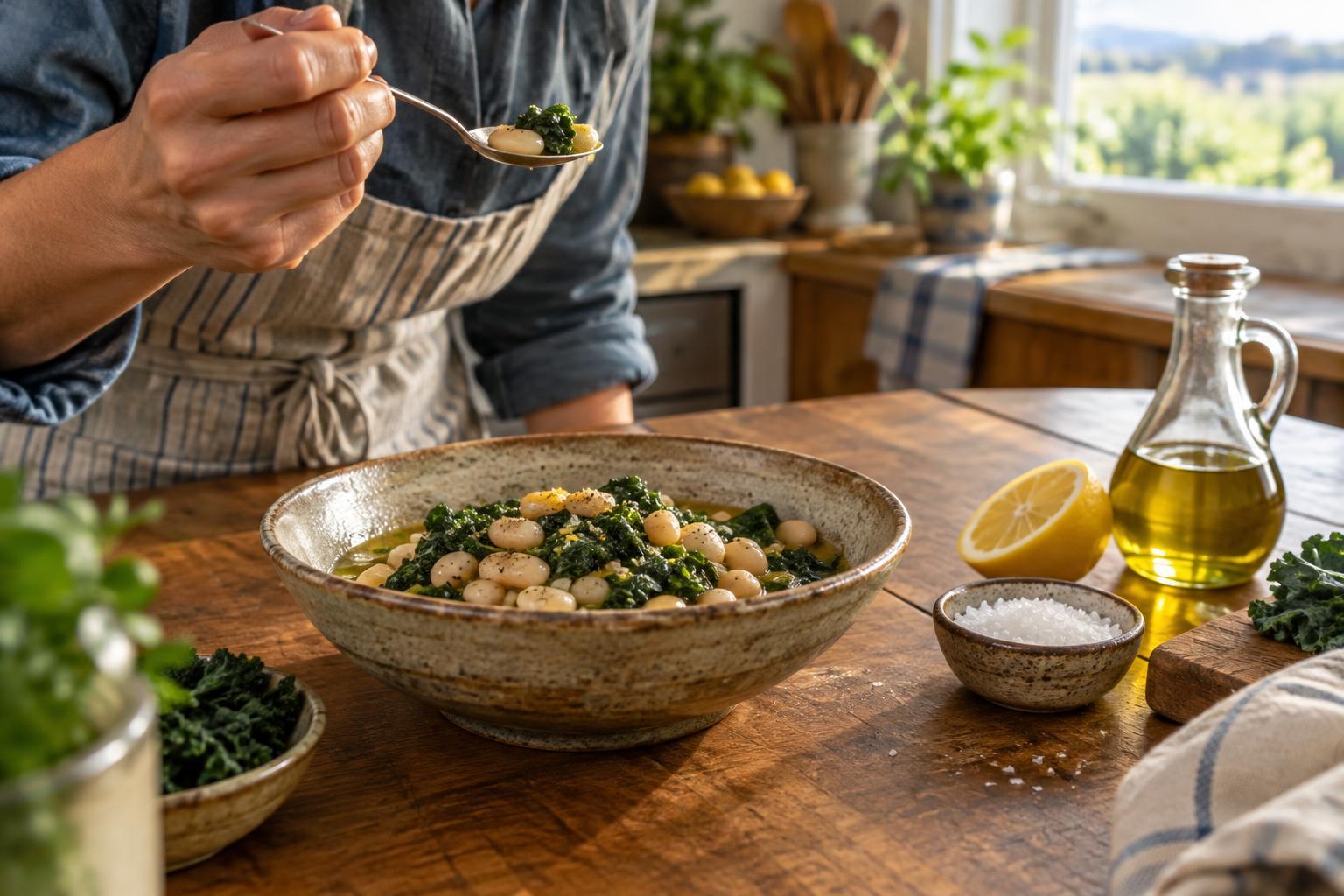
For a first dinner, plan one main dish, one substantial side, and one fresh element. Roasted chicken or a pan of baked beans can anchor the meal; a grain salad, roasted vegetables, or warm bread can fill it out. Add sliced fruit, a green salad, or a simple vegetable platter for contrast. If guests have different preferences, keep toppings and dressings separate. A bowl of herbs, toasted nuts, or a lemony dressing gives everyone an easy way to finish their own plate.
Do the quiet work before guests arrive
Pick a menu that leaves very little cooking for the final half hour. Make a dressing, wash greens, set out serving dishes, and prepare anything that tastes good at room temperature before you need to greet anyone. Even placing the right utensil beside each empty serving bowl saves a small scramble later. Write down a short timeline if it helps: when to turn on the oven, when to warm the main dish, and when to put drinks out.
Leave yourself room to change course. If the planned vegetable does not look good when you shop, use another that cooks in a similar way. If an outdoor table becomes uncomfortable because of heat, wind, or cool evening air, move inside without treating it as a setback. Keep perishable food chilled until it is time to serve, and return leftovers to the refrigerator promptly. A flexible plan should make dinner easier, not leave food sitting out all evening.
Make the table welcoming, not precious
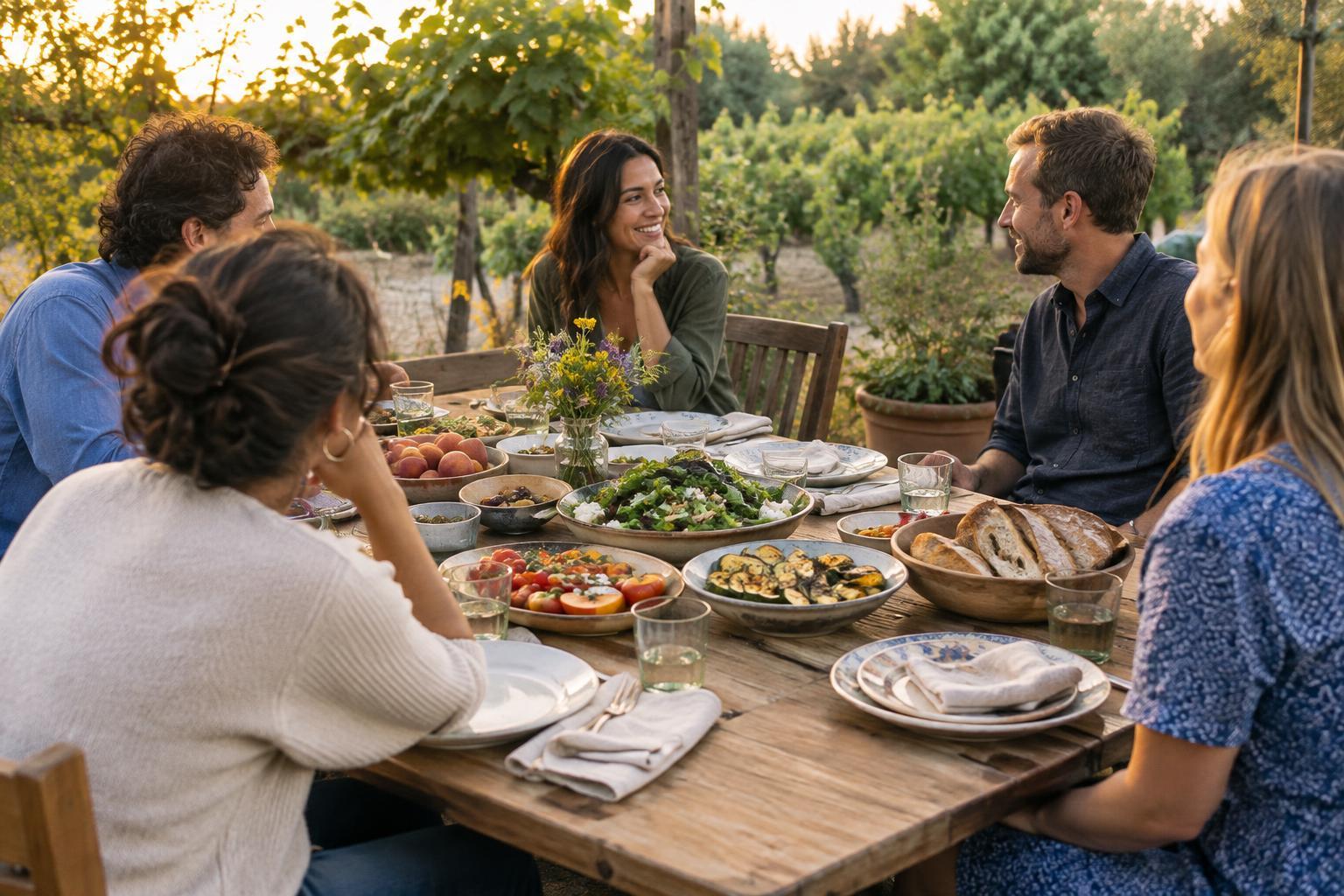
You do not need matching dishes to give guests a pleasant place to eat. Clear enough space for plates and shared bowls, provide water within easy reach, and make sure everyone has a comfortable seat. Cloth napkins, everyday glasses, and a small bowl of whatever fruit or greenery you already have can make an ordinary table feel ready for company. If you are eating outdoors, use sturdy serving pieces and a light that lets people see their food once the sun goes down.
Offer a drink that works for everyone, such as chilled water with citrus slices, alongside any other options you choose. Put a few small bites out only if dinner will be delayed; otherwise, let guests arrive, pour a drink, and settle in. Music at a low volume can soften the room, but it should not compete with conversation. The goal is to make it easy for people to stay awhile, not to stage a perfect scene.
Serve simply and stay at the table
When dinner is ready, bring out the food in a few generous dishes rather than assembling every plate in the kitchen. Tell guests what is available, especially if a dish contains ingredients someone may need to avoid, then let them serve themselves. If one item finishes later than expected, start with the salad or bread. Most meals can tolerate a small change in order, and a host who sits down helps everyone else relax.
Dessert can be just as straightforward as the rest of the meal. Serve ripe fruit, a simple cake made ahead, or something picked up while shopping. Clear only what you need to make room, then let the evening continue. Hosting gets easier when you notice what worked: a dish you could prepare early, a table arrangement that encouraged conversation, or a shortcut you would happily use again. Those details are worth keeping for the next invitation.