Start with a Spoonful, Not the Salt Shaker
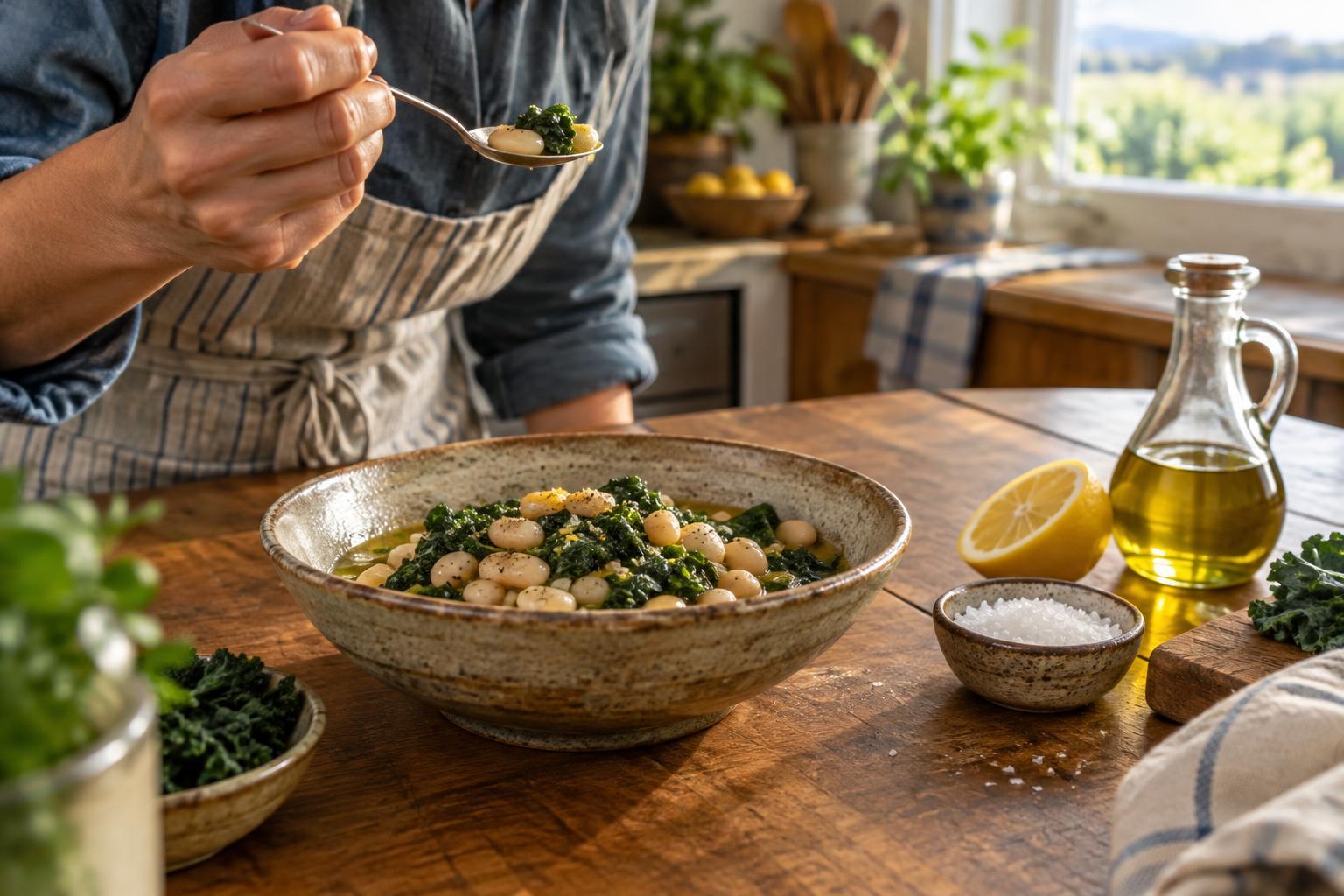
A pot of beans can smell wonderful and still taste oddly quiet. Roasted vegetables may be tender but forgettable. Before adding anything, take a bite that includes several parts of the dish, then ask what is missing. Is the flavor hard to notice? Does each bite feel heavy? Is a sharp ingredient standing out without anything to round it off? Those clues point toward different fixes.
Taste at the temperature you plan to serve, if you can. A spoonful of warm soup tells you more about the finished bowl than a hurried taste while it is still bubbling. If a dish has several components, taste them together: a well-seasoned filling can seem bland once it is tucked into an unsalted tortilla or spooned over plain rice. Make one small change at a time, stir or toss thoroughly, and taste again.
Use Salt to Bring Flavors into Focus
Salt is often the first thing to check when a dish tastes muted rather than merely mild. It helps the flavors already present become easier to notice. Add a small pinch, mix well and give it a moment to spread before tasting again. For a large pot of soup or beans, season in stages instead of trying to correct the whole batch with one generous addition.
Remember that ingredients such as olives, cheese, pickles and prepared sauces may bring their own salt. Taste a forkful with those toppings before seasoning the base further. If a finished dish is already salty but still dull, more salt is unlikely to help. Look for contrast instead: a little lemon juice in a pot of lentils, fresh herbs over a casserole or crisp vegetables beside a rich main dish.
Add Acid for Brightness
Acid can make a dish feel livelier, especially when it tastes rich or one-note. Lemon or lime juice, vinegar and tangy ingredients such as tomatoes can all do the job, though each brings its own flavor. A squeeze of citrus often suits grilled vegetables or beans; a small splash of vinegar can sharpen a pan sauce or a bowl of braised greens.
Add acid a little at a time, preferably near the end of cooking when its effect is easy to judge. Stir it in and taste a complete bite. If the food suddenly tastes sour, you have gone past brightness. You may be able to soften that edge with more of the dish’s other ingredients or a little fat, but the easiest approach is to start with less than you think you need.
Use Fat to Carry Flavor and Soften Edges
Fat gives many dishes a fuller feel and can help distribute seasonings. A drizzle of olive oil can make a grain bowl feel less dry; a small pat of butter can round out a vegetable sauté. Toasted nuts, avocado or a spoonful of yogurt may add richness while also changing the texture. Choose something that fits the dish rather than reaching for the same finishing ingredient every time.
Fat is not a cure for every flat flavor. If soup tastes watery because it needs salt, oil alone may only make it oily. If a creamy sauce feels heavy, adding more richness can make the problem worse; try a little acid or a fresh topping. Think of salt, acid and fat as different adjustments, not a checklist that every recipe must complete.
Finish with Contrast, Then Stop
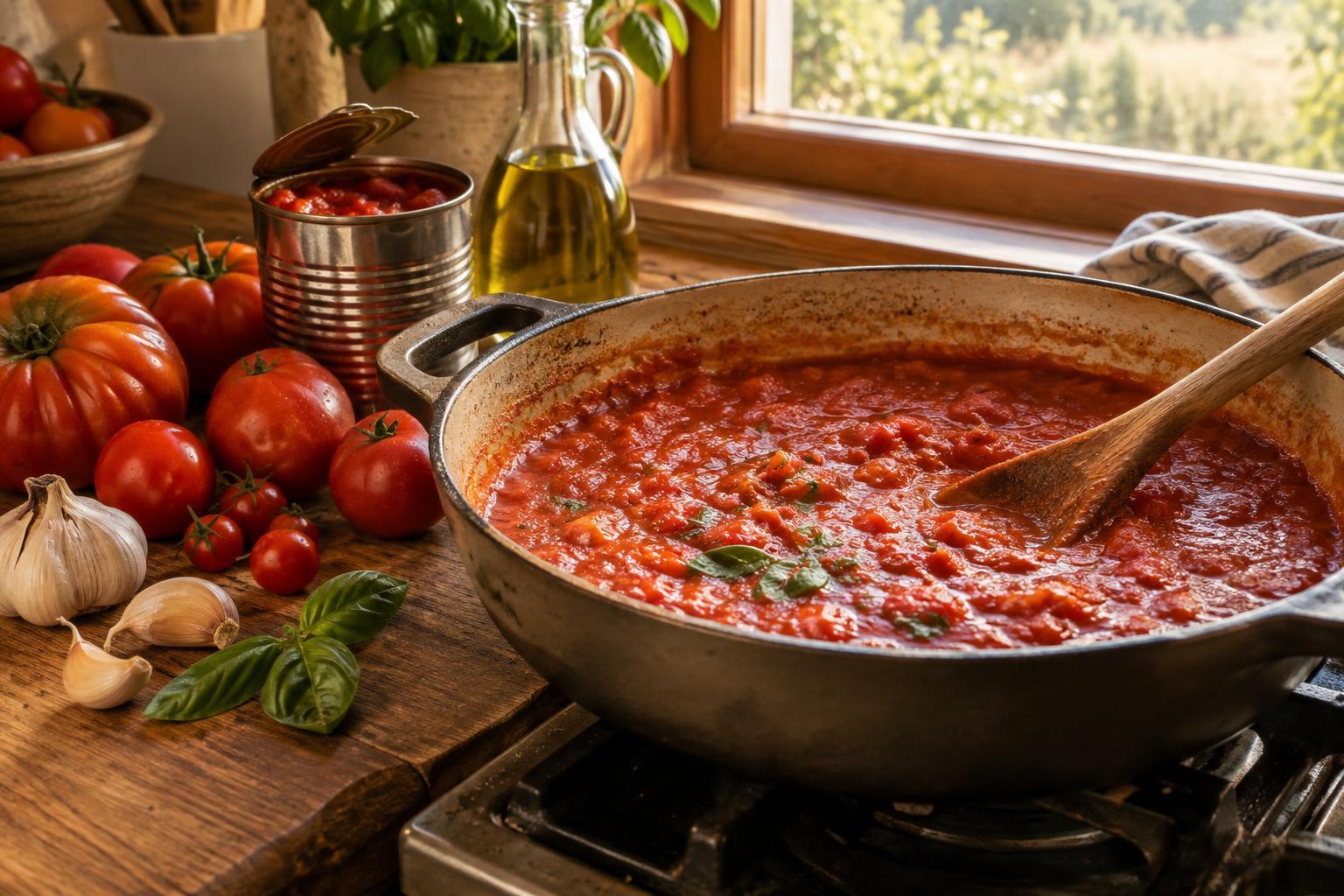
Sometimes a dish is seasoned well but still needs a more interesting bite. A handful of chopped herbs, toasted seeds or thinly sliced radishes can make familiar food feel more vivid. In a Central Valley kitchen, ripe tomatoes, citrus and seasonal herbs offer easy ways to add freshness to simple home cooking. Even a crisp salad alongside soft, slow-cooked food can change how the whole meal tastes.
For a quick test, put a bite on a spoon and add just one possible fix to that bite. Try a grain of salt, a drop of lemon or a touch of olive oil. If it improves the sample, adjust the larger dish gradually. When the flavors are clear and you want another bite, stop tinkering. The goal is not to taste the seasoning itself, but to enjoy the food you made.