Start with what looks good
Planning dinner around seasonal produce does not require a perfect calendar of harvests. Availability changes with weather, location and the place you shop. Instead of deciding on every recipe before you leave home, begin with a loose plan: you need vegetables for three dinners, fruit for a simple dessert, and perhaps an herb to tie a few meals together. At the store or market, look for ingredients that appear fresh, fit your budget and sound good to eat.
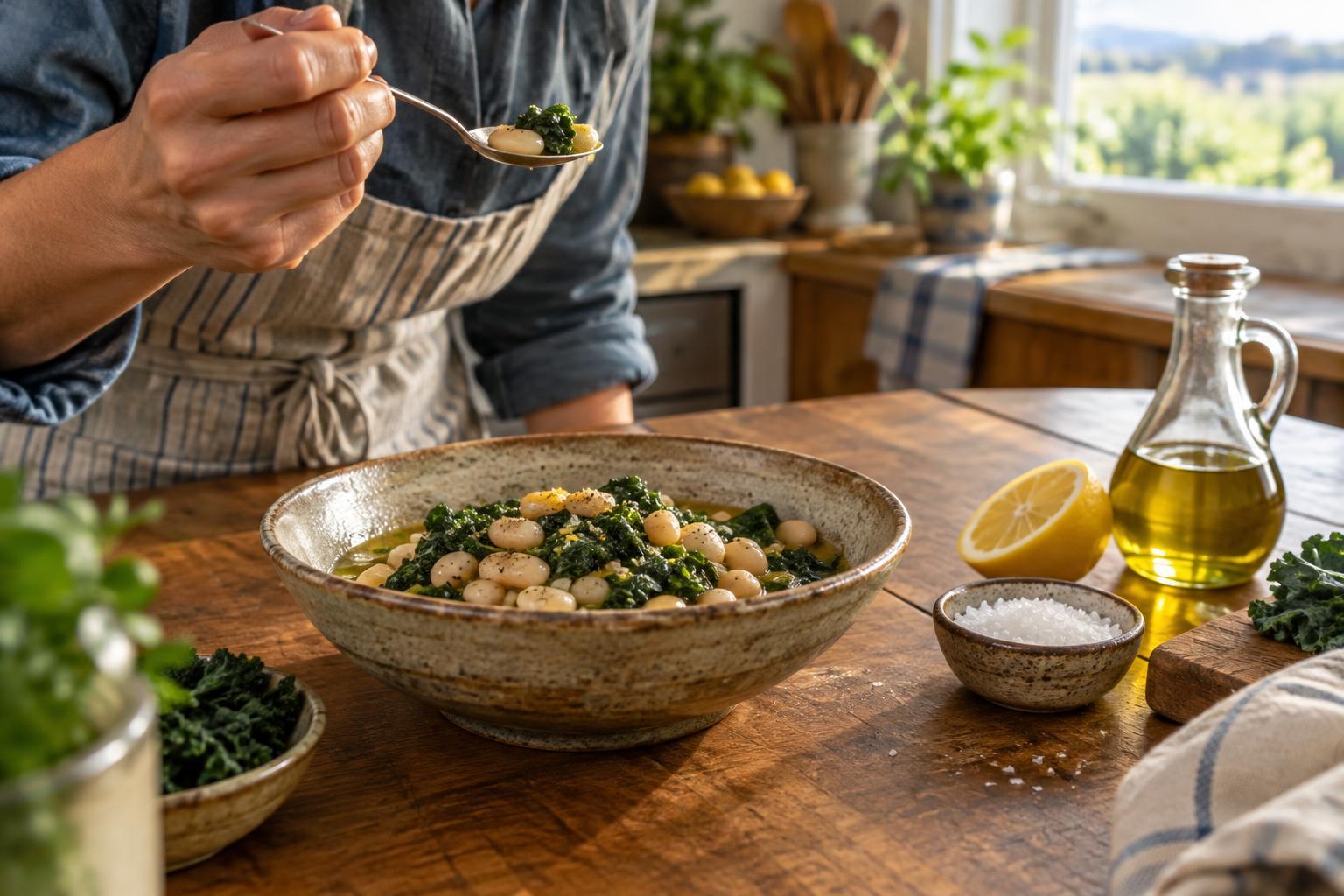
Choose one or two produce items as the starting point for each dinner. A bunch of greens might become a quick pasta, a skillet of beans or a filling for baked potatoes. Ripe tomatoes might suggest a chopped salad one night and a pan sauce the next. If your first choice is unavailable, swap by function rather than hunting for an exact replacement. Tender greens can stand in for other tender greens; firm vegetables can often be roasted or sautéed in similar ways.
Build a dinner, not just a vegetable dish
A helpful dinner template is produce plus a satisfying base plus something that adds flavor or richness. The base could be rice, pasta, tortillas, potatoes, beans or eggs. The finishing element might be olive oil, yogurt, cheese, toasted nuts, a squeeze of citrus or a spoonful of a favorite sauce. This approach gives you a complete meal without needing a new recipe every night.
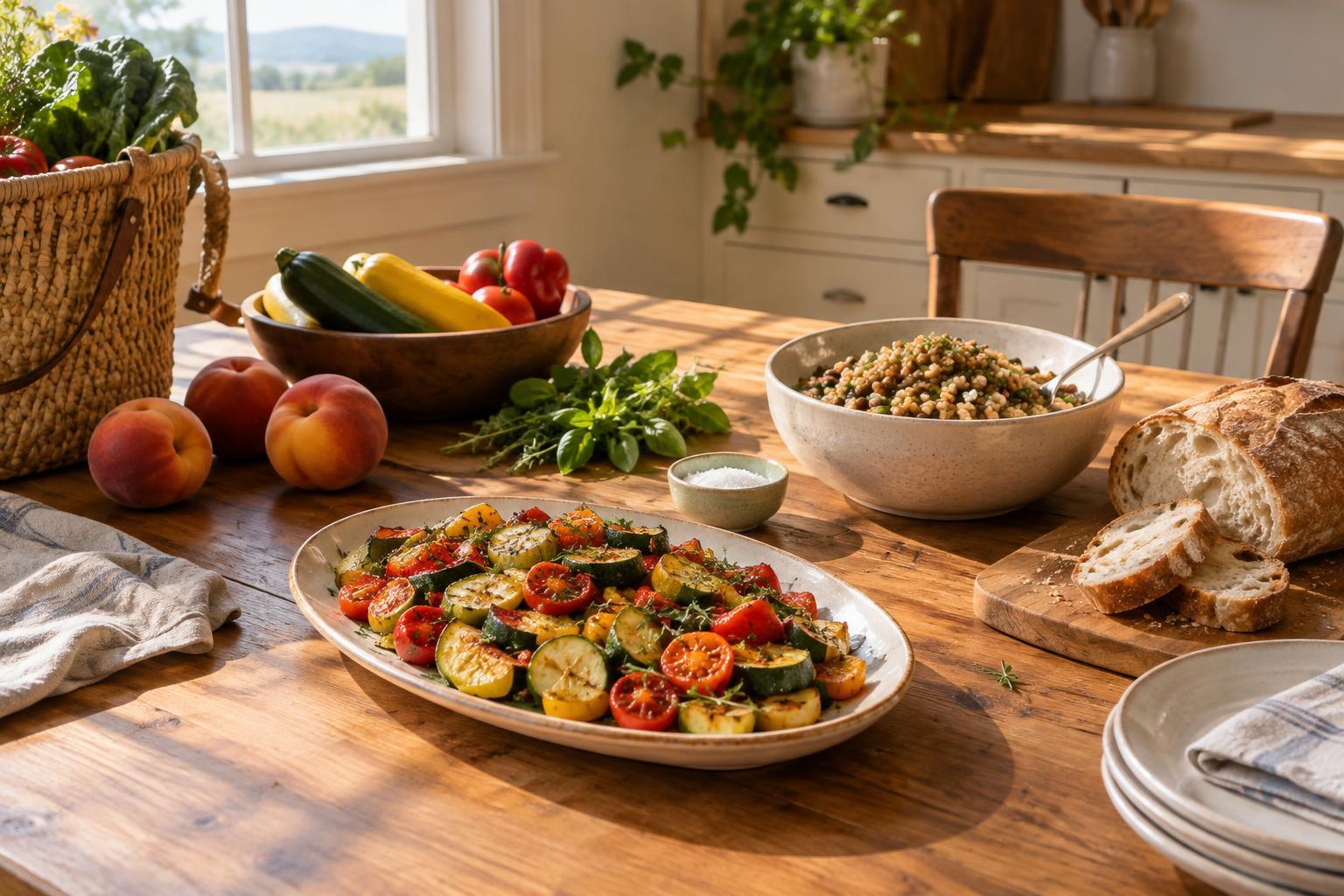
For example, roast a tray of whatever sturdy vegetables you bought and serve them over grains with chickpeas and a yogurt sauce. Toss quickly cooked greens with pasta, garlic and a little cheese. Add sliced fruit to a dinner salad with bread and a protein you enjoy. These are starting points, not rules: use what you already keep on hand, and adjust portions to suit the people at your table.
Give each ingredient more than one job
Beginners often buy an appealing ingredient for one dish, then wonder what to do with the rest. Before putting it in your basket, think of two uses. A head of cabbage can go into a crisp slaw and later be sautéed with noodles. Zucchini can be roasted for a grain bowl and grated into a skillet meal. Herbs can brighten dinner, then add flavor to a dressing or a bowl of beans.
This does not mean cooking everything in advance. It means making a small plan that respects how long ingredients are likely to stay appealing. Use delicate leaves, soft fruit and herbs early in the week. Save sturdier vegetables for later meals, checking them as you go. If plans change, a soup, frittata, fried rice or sheet-pan dinner can make good use of produce that needs attention.
Let simple cooking methods do the work
When produce is the focus, a few familiar methods are enough. Roast firm vegetables until they are tender and browned at the edges. Sauté greens or sliced vegetables for a fast weeknight side. Serve crisp produce raw when you like its texture. Cook time will vary with the size of the pieces and the ingredient, so check for the texture you want rather than relying only on a timer.
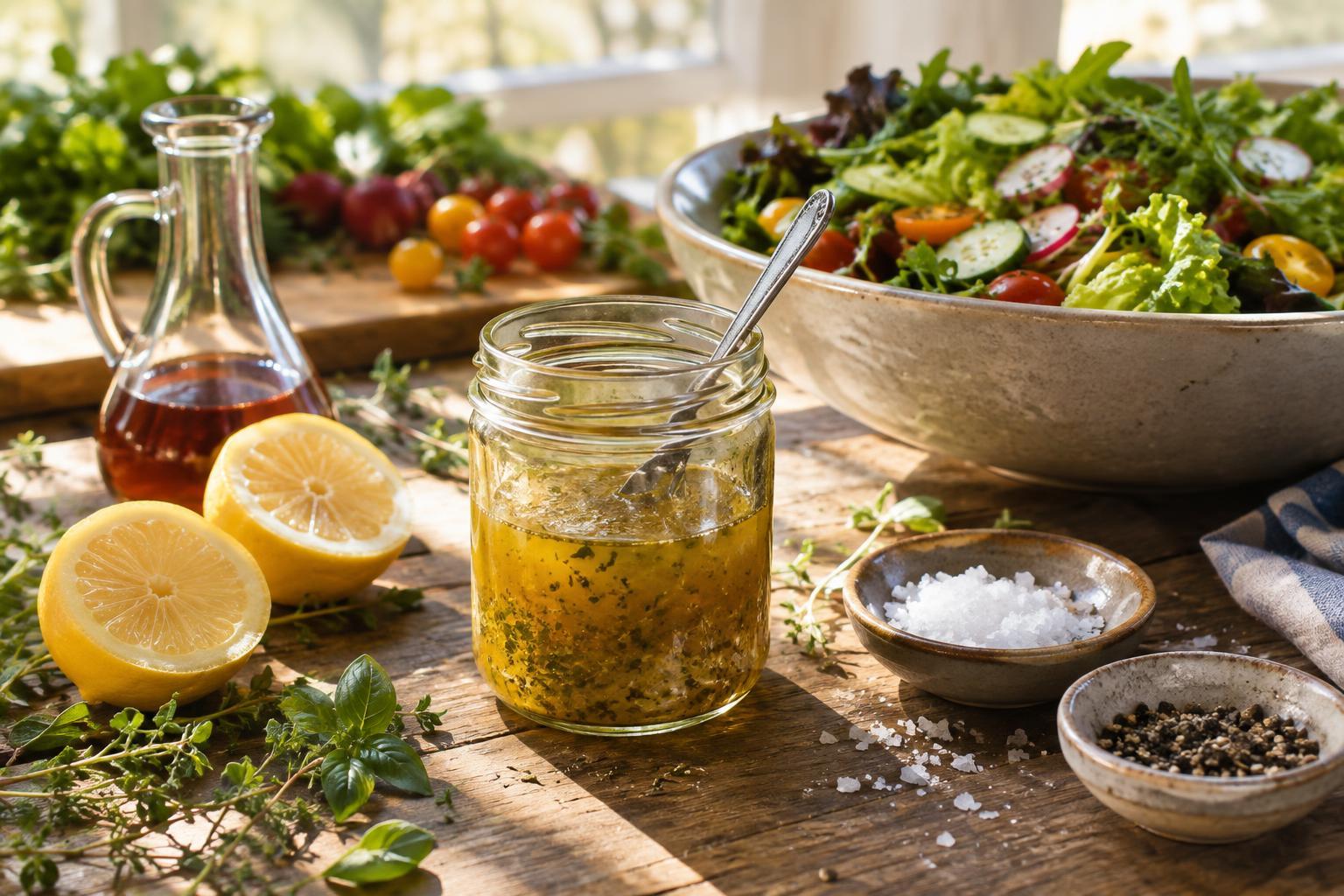
Seasoning can stay uncomplicated. Salt, a little fat and something bright, such as lemon juice or vinegar, are often a useful starting point. Taste before adding more. If a dinner feels flat, it may need acidity or a flavorful topping rather than a long list of spices. Keeping a few dependable pantry ingredients nearby makes it easier to respond to whatever produce you bring home.
Make a plan you can change
Try planning three produce-centered dinners instead of assigning a different recipe to every night. Write down the main ingredient and a flexible format: greens with pasta, roasted vegetables with grains, or a chopped salad with beans. Leave room for leftovers, a busy evening or an unexpected find. This can be especially pleasant in a place like California’s Central Valley, where shopping for ingredients can be part of the pleasure of cooking at home.
After a week, notice what worked. Did you buy more fresh produce than you could use? Did one versatile sauce make several dinners easier? Adjust your next list accordingly. Seasonal cooking is less about doing everything from scratch and more about paying attention: choose what appeals to you, give it a practical role in dinner and enjoy it while it is at its best.