Start with the kind of experience you want
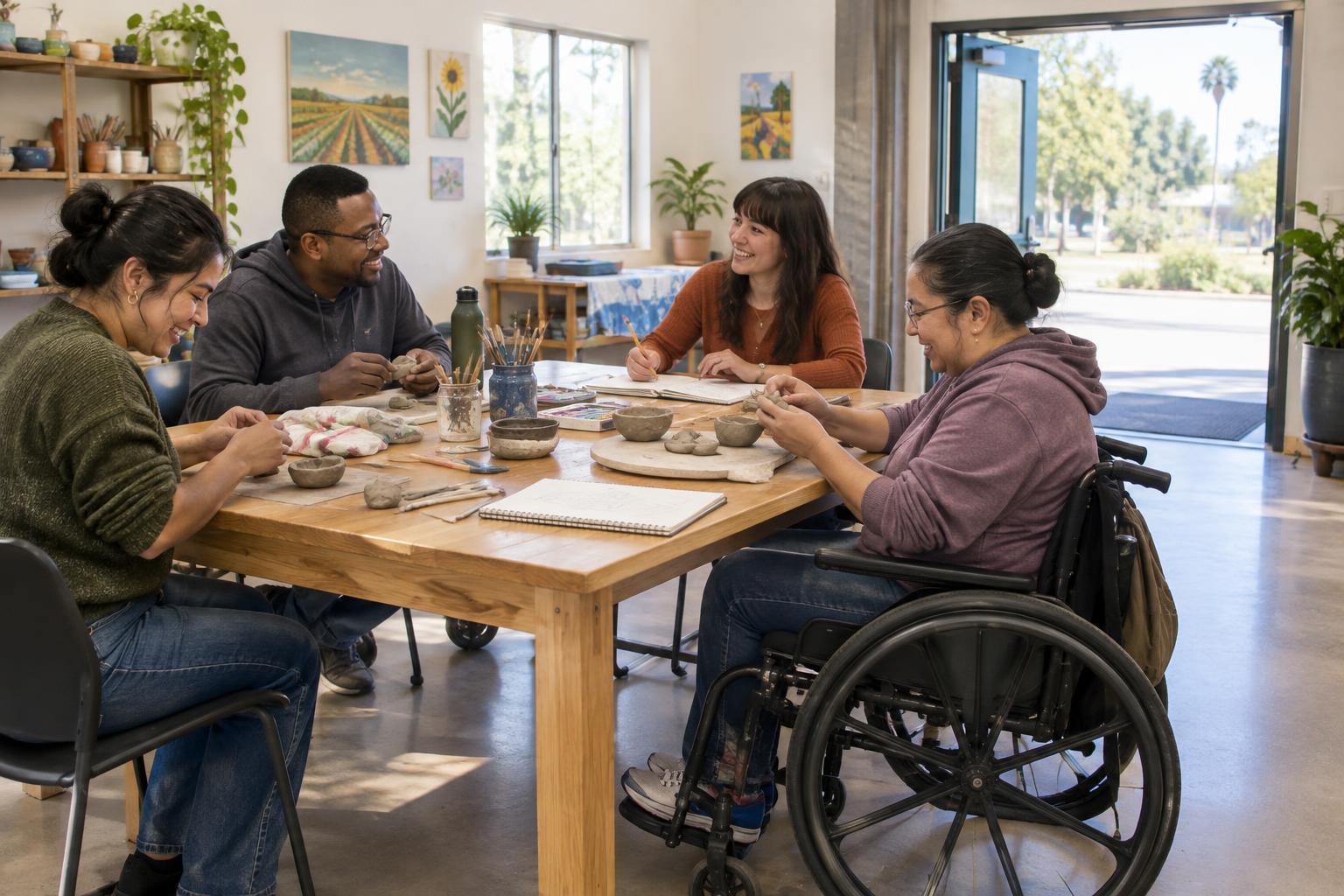
An arts outing can mean a quiet gallery visit, a hands-on ceramics class, an outdoor performance or a neighborhood craft gathering. Before searching for events, decide what would make the experience enjoyable for you. Consider whether you want to watch or participate, how long you would like to stay and whether a small group would feel better than a crowd. Your preferences can help narrow a long list of possibilities.
Access is personal, too. A step-free entrance may be essential for one visitor, while another needs seating, clear sound, a lower-sensory setting or instructions offered in a familiar language. Cost, transportation, timing and the option to bring a support person can matter just as much. Make a short list of your priorities, separating what you need to attend from what would simply make the visit more comfortable.
Search beyond the largest event calendars
Regional event calendars can be a useful starting point, but they may not include every workshop or explain its access features. Check the calendars and newsletters of libraries, community centers, arts organizations, schools offering public programs and local makers. In the Central Valley, looking at nearby towns as well as your own can reveal more options without assuming you need to plan a full-day trip.
Search using both the art form and the access feature you are looking for, such as “beginner painting class with seating” or “captioned performance.” If an event looks promising but its listing is brief, keep it on your list rather than ruling it out. A missing accessibility note does not tell you what the space can or cannot provide; it means you may need more information before deciding.
Ask specific questions before you commit
Contacting an organizer can feel awkward, especially when an event description says little about accessibility. You do not have to explain a diagnosis or share more personal information than you want to. Describe the feature you need and ask whether it is available. For example: Is there a step-free route from the entrance to the activity space and restroom? Are chairs available throughout the event? Can participants take breaks and return?
For a workshop, ask how the activity is taught and what materials are used. Written instructions, a demonstration or permission to use your own tools may change whether the class works for you. For a performance, ask about seating choices, sound levels, captions or interpretation if relevant. If information matters to your decision, request a reply before buying a ticket or making travel plans. Organizers may need time to check details, and some accommodations may not be available.
Plan for the whole outing
Accessibility starts before you reach the door. Look at the route, parking or transit options, distance from drop-off points and the likely weather if part of the event is outside. Find out whether admission covers materials and whether there are other costs. A free event can still require supplies or a long journey; a paid workshop may include everything you need. Confirm details directly when the answer could affect your plans.
Give yourself permission to make a first visit short. Arriving early may leave time to locate the entrance, restroom and a place to sit without feeling rushed. If it helps, go with a friend or ask the organizer whether a support person can attend. For outdoor arts events, bring practical comforts suited to the setting, such as water or a layer of clothing, while checking any rules about what visitors may carry in.
Make room for connection and feedback
The right event is not only one you can enter; it is one where you can take part in a way that feels worthwhile. Beginner-friendly classes, open studio hours and informal community gatherings may offer different ways to meet people than a large festival. If you are unsure about joining a workshop, ask whether you can observe first or whether beginners can work at their own pace. The answer will help you choose without guessing.
After an event, note what worked and what you would check next time. If you feel comfortable, tell the organizer about a helpful feature or a barrier you encountered, using concrete details rather than assuming they already know. You can also share accurate access information with friends who are looking for arts opportunities. Small exchanges like these make it easier for people to find their place in the Central Valley’s creative communities.