Choose an easy first campsite
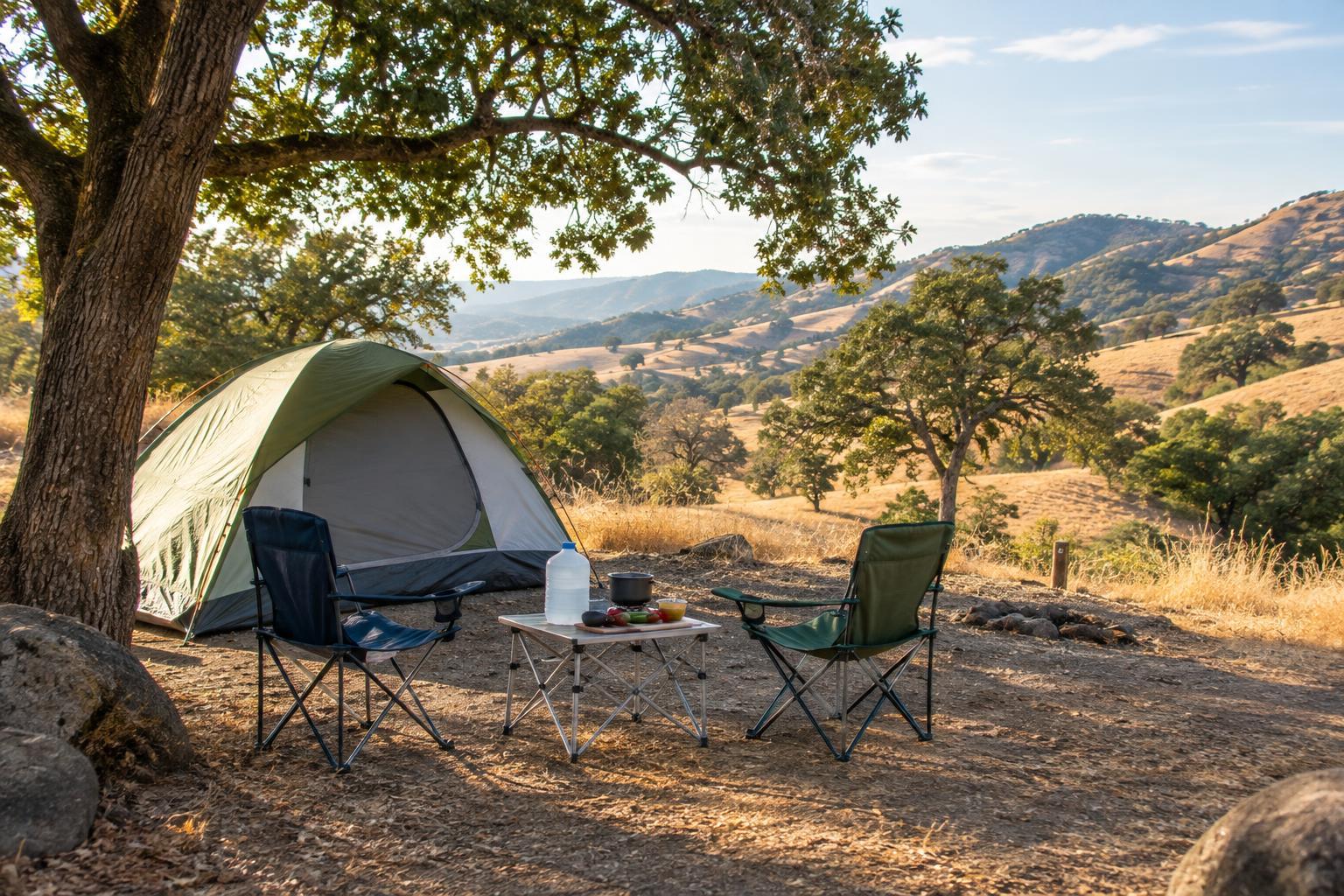
For a first night, choose an established campground that you can reach by car. A designated site gives you a clear place to set up and may offer amenities such as a toilet, picnic table or drinking water. Check the campground’s details before you leave rather than assuming those amenities will be available. Confirm how to reserve or pay for a site, when you can arrive and whether your vehicle can reach it on the road you plan to take.
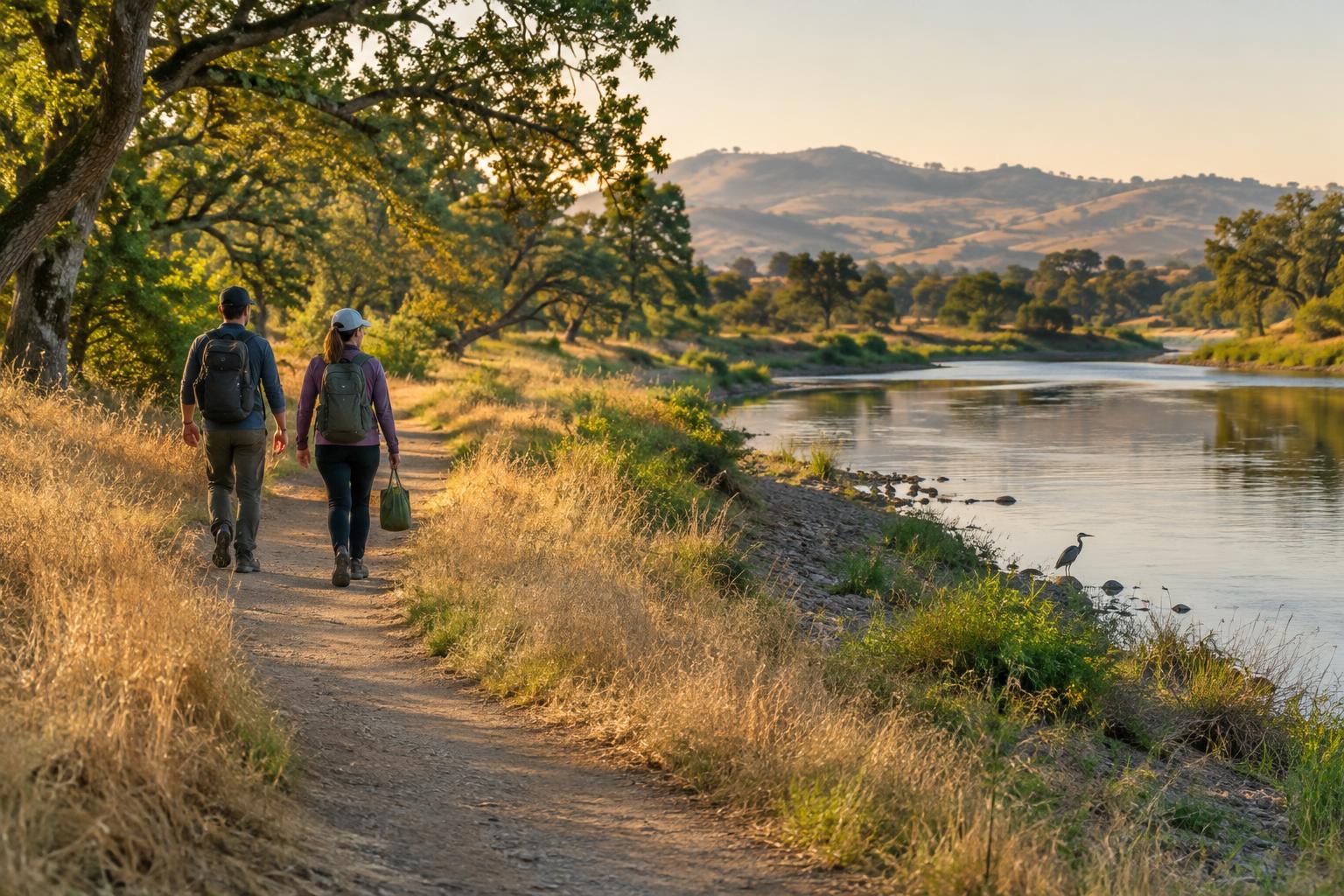
The Central Valley foothills can feel close to home while offering a different overnight experience. Exposed sites may be sunny during the day and cooler after dark, so look at the forecast for your specific destination and pack layers. If you can, arrive with plenty of daylight. Finding your site, pitching a tent and locating the restroom are much easier before you need a flashlight.
Pack for sleep, shade and water
You do not need an elaborate gear collection for one night. Start with a tent that fits its occupants, a groundsheet if the tent calls for one, sleeping pads and bedding suited to the expected overnight temperature. A pad matters even when the ground looks smooth: it adds cushioning and separates you from cold ground. Practice setting up an unfamiliar tent at home so you can identify missing parts before the trip.
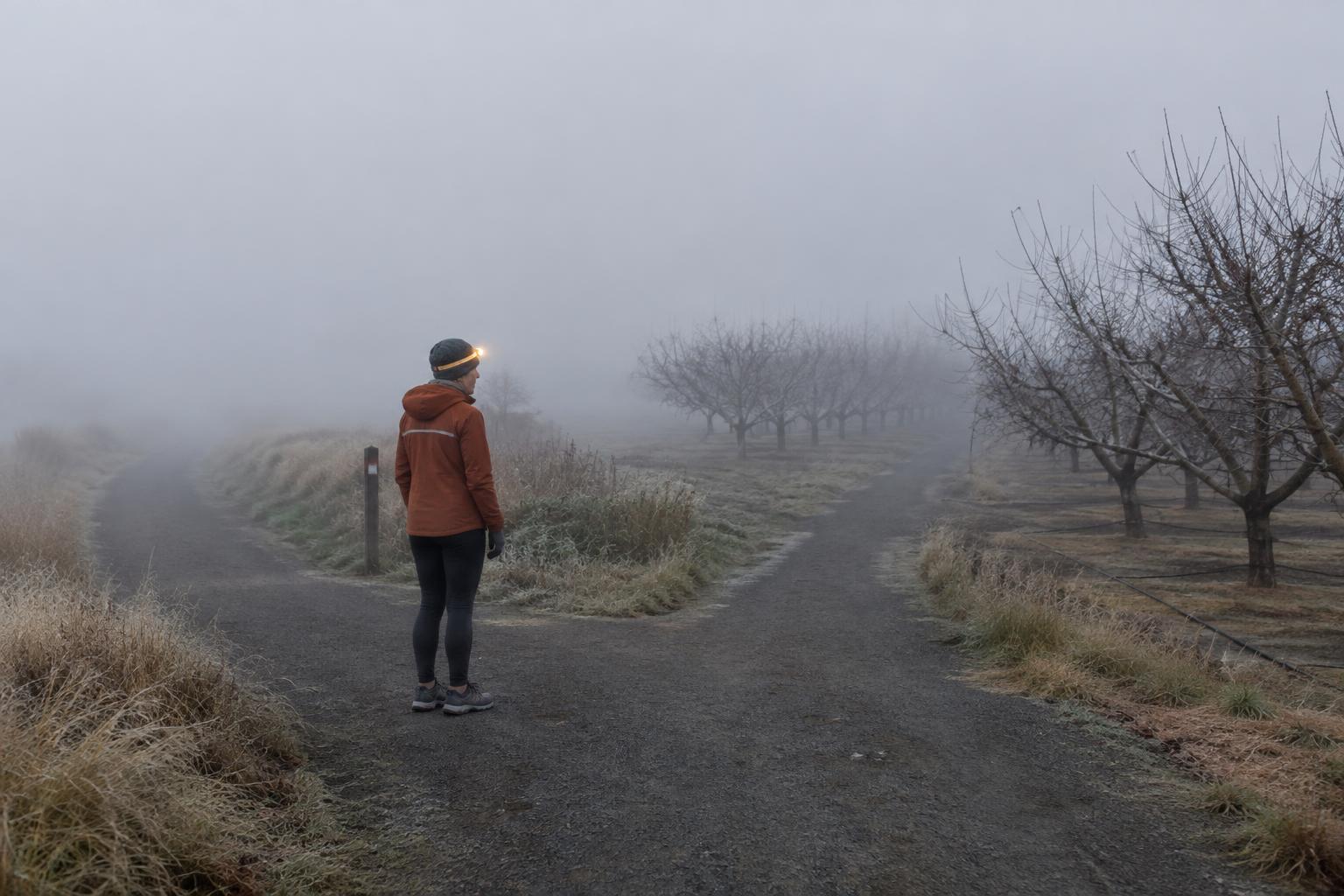
Bring a headlamp or flashlight for each person, spare power or batteries, and clothing you can add or remove as conditions change. Closed-toe shoes make moving around camp more comfortable. Pack drinking water, and check whether the campground provides potable water before deciding how much to carry. Sun protection and a small first-aid kit are useful even if you plan to spend most of the visit near your campsite.
Keep the first camp meal simple
A one-night trip is a good occasion for a meal with little preparation or cleanup. Pack ingredients you can assemble quickly, such as sandwiches and cut vegetables, or bring a prepared dish that only needs reheating. Store perishable food in a cooler with ice or cold packs, and keep raw ingredients separate from ready-to-eat food. Plan breakfast too; it can be as simple as fruit, bread and something warm to drink.
If you want to cook, check the campground’s rules for stoves, grills and fires before packing equipment. Restrictions can change, and a fire ring does not necessarily mean a campfire is permitted. Bring a stove only if its use is allowed, and know how to operate it safely. A no-cook backup meal means dinner will still be easy if plans change. Pack a trash bag and enough water and supplies to wash dishes without leaving food scraps behind.
Set up camp with the evening in mind
Once you arrive, walk around your assigned site before unloading. Choose a tent spot that is reasonably level and clear of sharp debris, while staying within the designated camping area. Notice where water might flow if rain is possible, and avoid pitching under visibly damaged branches. Set up your sleeping area early, then put frequently used items—water, warm layers and lights—where you can find them after sunset.
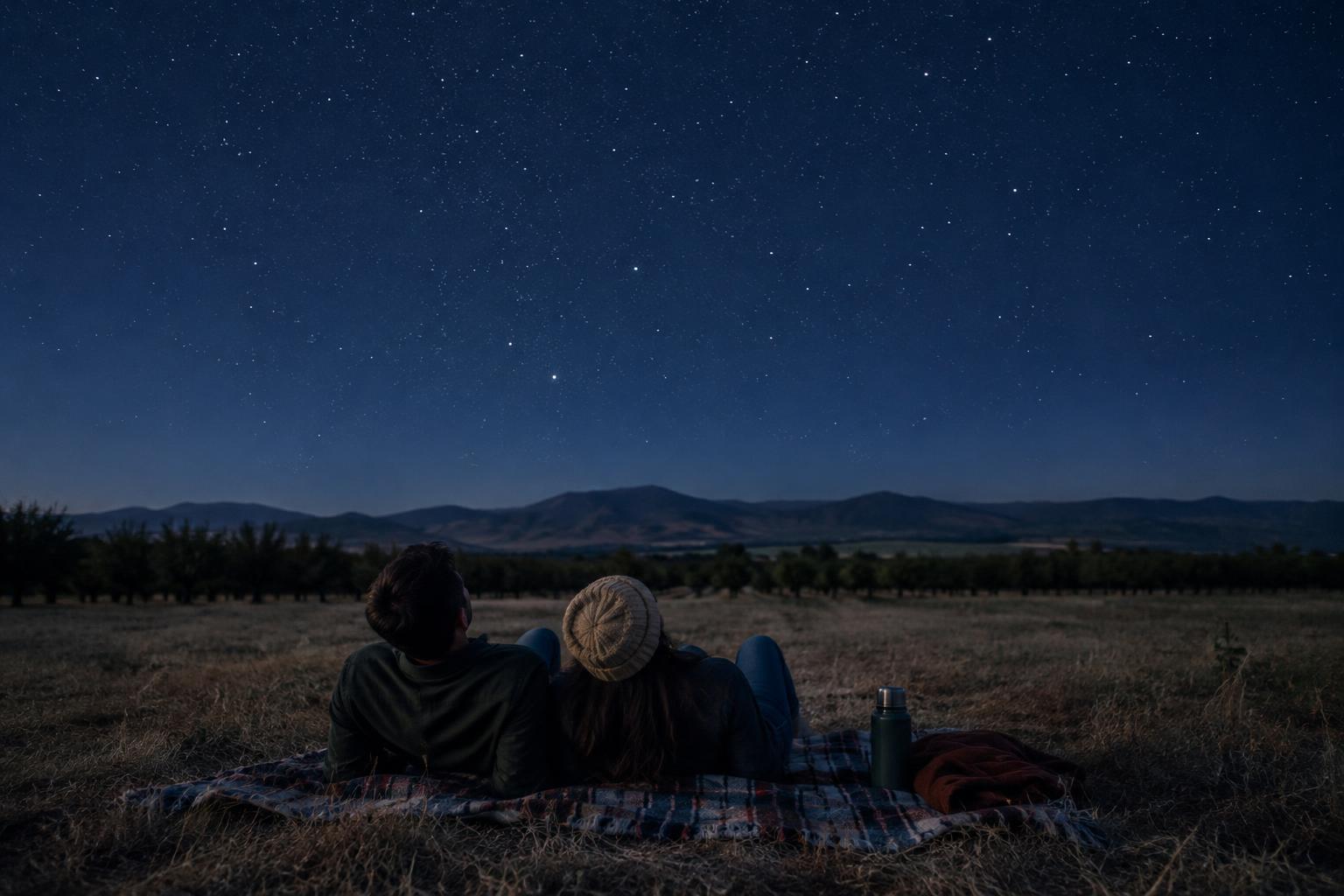
Keep food, scented items and waste secured according to the campground’s guidance; do not leave them scattered around the site overnight. Give yourself a modest evening plan, such as a short walk on an established path or a relaxed meal at the table. Let someone who is not on the trip know where you are going and when you expect to return, especially if phone service may be limited.
Leave time for a calm morning
Your first campout is a chance to learn what helps you feel comfortable outdoors, not a test of endurance. Before bed, check that your light and shoes are within reach and that you know the route to the restroom. If the night is colder or windier than expected, adjust your layers and bedding. There is no need to stay up late to make the trip count.
In the morning, allow time to eat, dry or shake debris from your gear and check the site carefully before leaving. Pick up small bits of litter, dispose of waste where the campground directs and make sure any cooking equipment is cool and packed. On the way home, note what you used, what you missed and what you could leave behind next time. That short list will make your second foothill night easier to plan.