Assuming a short outing needs no plan
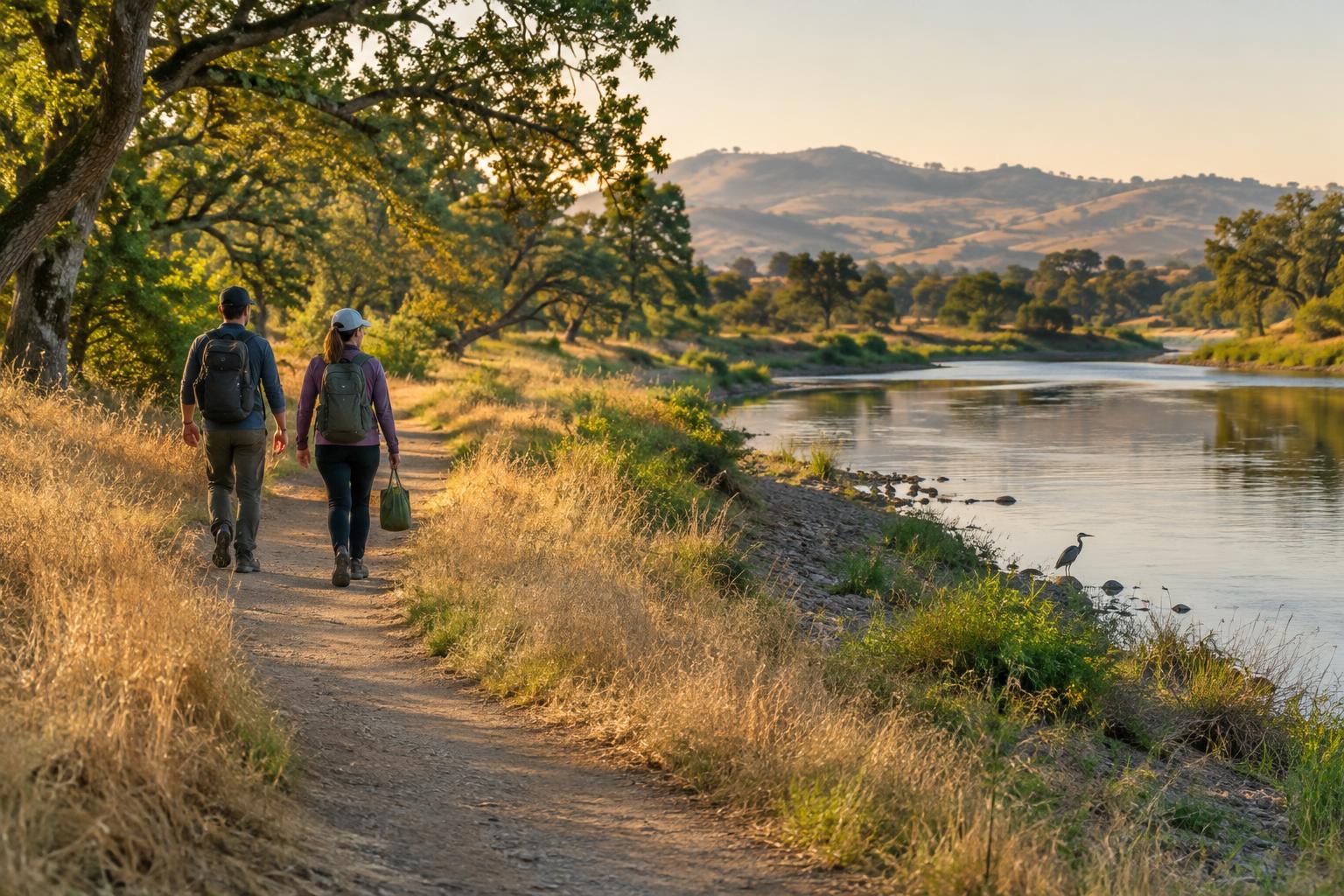
A quick walk along a canal path or an afternoon beside a river can feel too simple to plan. Yet an unfamiliar access point may have limited parking, seasonal closures or rules for dogs, fires and watercraft. Check the managing agency’s posted guidance before leaving, choose a route that suits everyone in your group and bring a way to carry home what you bring in. A small bag for wrappers and other waste is easy to overlook until you need it.
Arriving to find a full parking area is another moment when good intentions can slip. Parking on vegetation, blocking a gate or making your own access route can damage the place you came to enjoy and interfere with other visitors. If the designated space is full, choose another legal access point or save that stop for another day.
Treating tiny litter as too small to matter
Most people recognize a bottle or snack bag as litter. Smaller leftovers are easier to excuse: a fruit peel, a few seed shells, a corner torn from a food wrapper or a bit of fishing line. Even biodegradable food scraps can attract animals to busy areas, while line and lightweight packaging can snag on plants or travel toward the water. Pack out all food waste and inspect your rest spot before you leave.
The same habit applies when a breeze catches something. Secure loose napkins and packaging before opening a picnic, and keep small items together rather than setting them on the ground. If you pick up litter left by someone else, do so only when it is safe; leave sharp objects and unfamiliar hazardous material alone and report concerns to the appropriate site manager.
Taking shortcuts and widening the trail
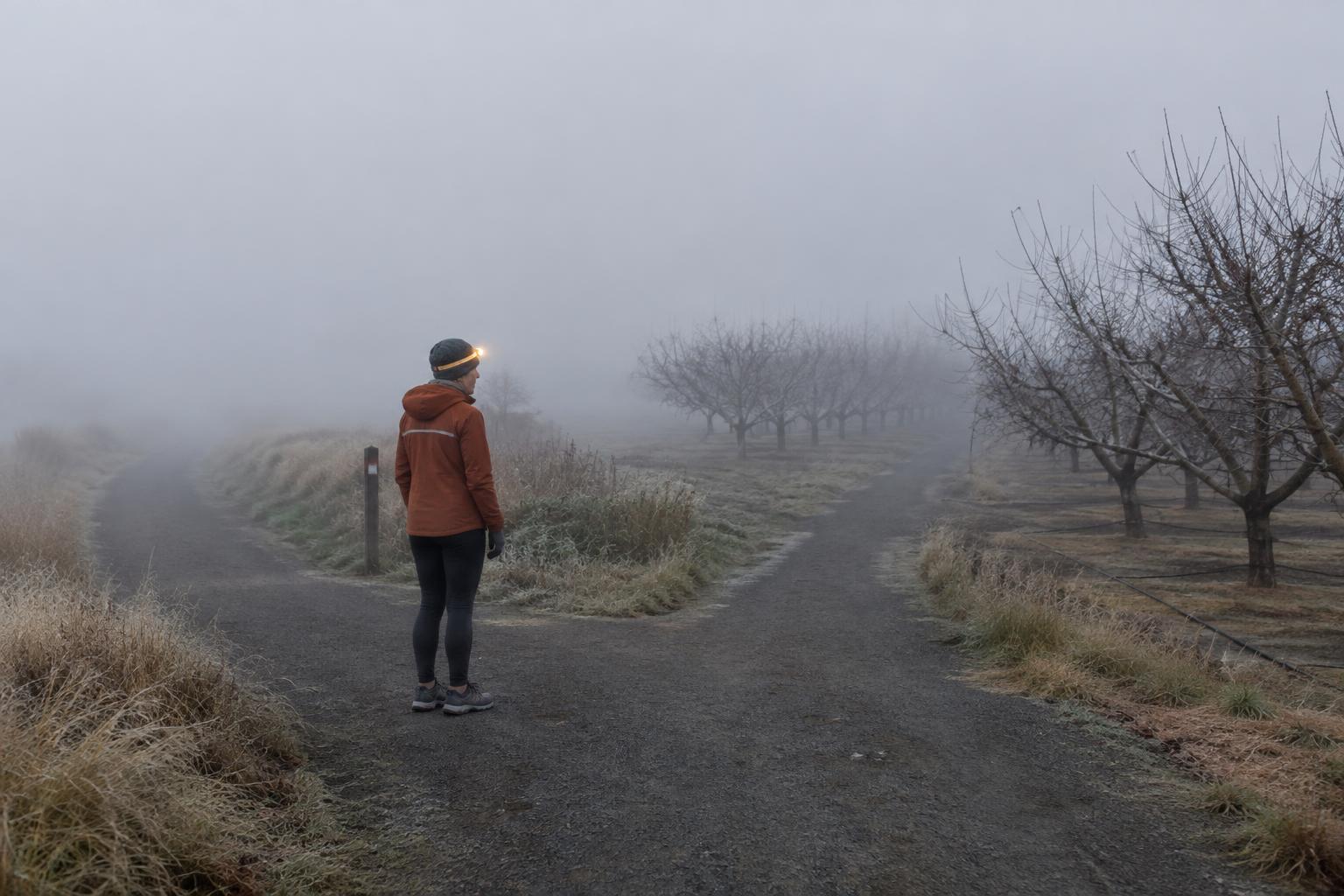
Cutting across a bend to save a few steps can start a visible path of its own. Walking around a muddy patch may also widen the trail, particularly when several visitors make the same choice. Stay on established routes where they exist, step through manageable mud in suitable footwear and turn back if conditions are beyond your comfort level. Choosing a different destination on a wet day is often easier than trying to keep shoes spotless.
The temptation to spread out is strong near a viewpoint, a patch of wildflowers or a convenient place to reach the water. Look for durable, designated places to stop instead of trampling vegetation along the edge. Keep bicycles and other equipment on routes where they are permitted, and follow any signs protecting restoration areas or sensitive habitat.
Forgetting that shorelines are habitat, too
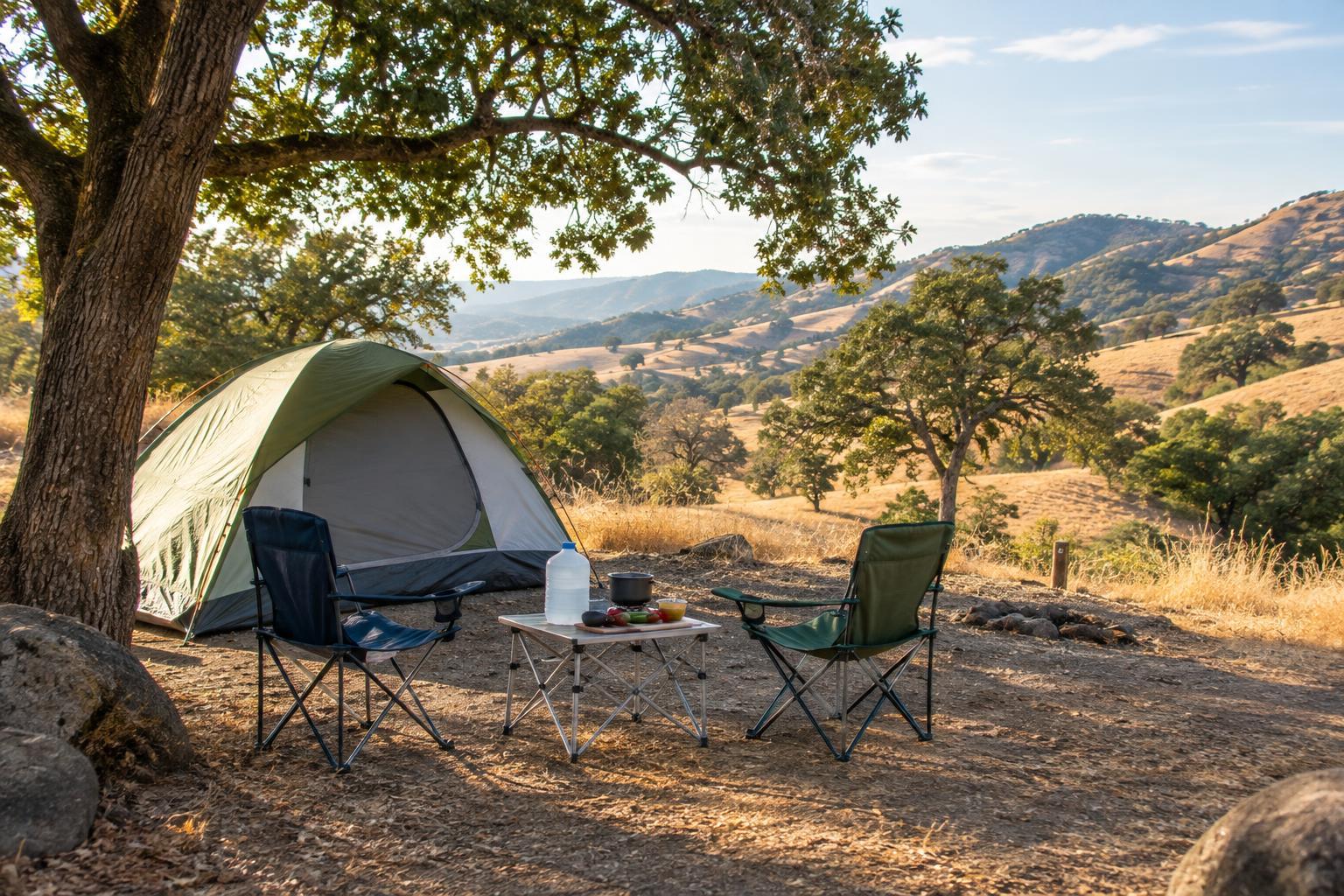
A riverbank or lakeshore can look like an open staging area, but repeated foot traffic and gear can wear away plants and disturb the ground. Use established access points when entering or launching. Keep coolers, chairs and boats out of vegetation where possible, and avoid altering the bank to make a more convenient spot. Before leaving, check that you have gathered up stakes, ties, hooks and any other small pieces of gear.
What goes into the water matters as much as what stays on land. Do not rinse food containers with soap in a creek or lake, and do not leave bait or fishing line behind. If you use a boat or other watercraft, follow local cleaning requirements and inspect gear so that plants or mud are not carried from one waterway to another. Requirements can vary by location, so check them before the trip.
Getting too close to wildlife—or leaving a noisy campsite behind
Offering an animal a bite of lunch may feel harmless, but it encourages wildlife to associate visitors with food. Watch from a distance, store snacks securely and keep pets under control according to local rules. If an animal changes its behavior because you approached, give it more room. Take photos without moving nests, turning over sheltering objects or calling animals closer.
Consider what other people encounter after you move on. Loud music can carry along a trail or across still water, while an unattended fire or scattered food can create problems long after a group leaves. Use fires only where and when permitted, extinguish them as directed, and take care of human and pet waste according to the site’s rules. Before heading home, pause for one last look: the best sign of your visit is that the next person can enjoy the place as you found it.