Choose a comfortable place to look up
Stargazing does not require a remote mountaintop. Start with a place where you can sit safely and see a broad stretch of sky: a backyard, a friend’s property or a public area that permits evening access. Check posted hours before you go, and stay on established paths or permitted viewing areas. A spot with fewer nearby lights will usually make faint stars easier to see, but comfort and safe access matter more than finding a perfectly dark location.
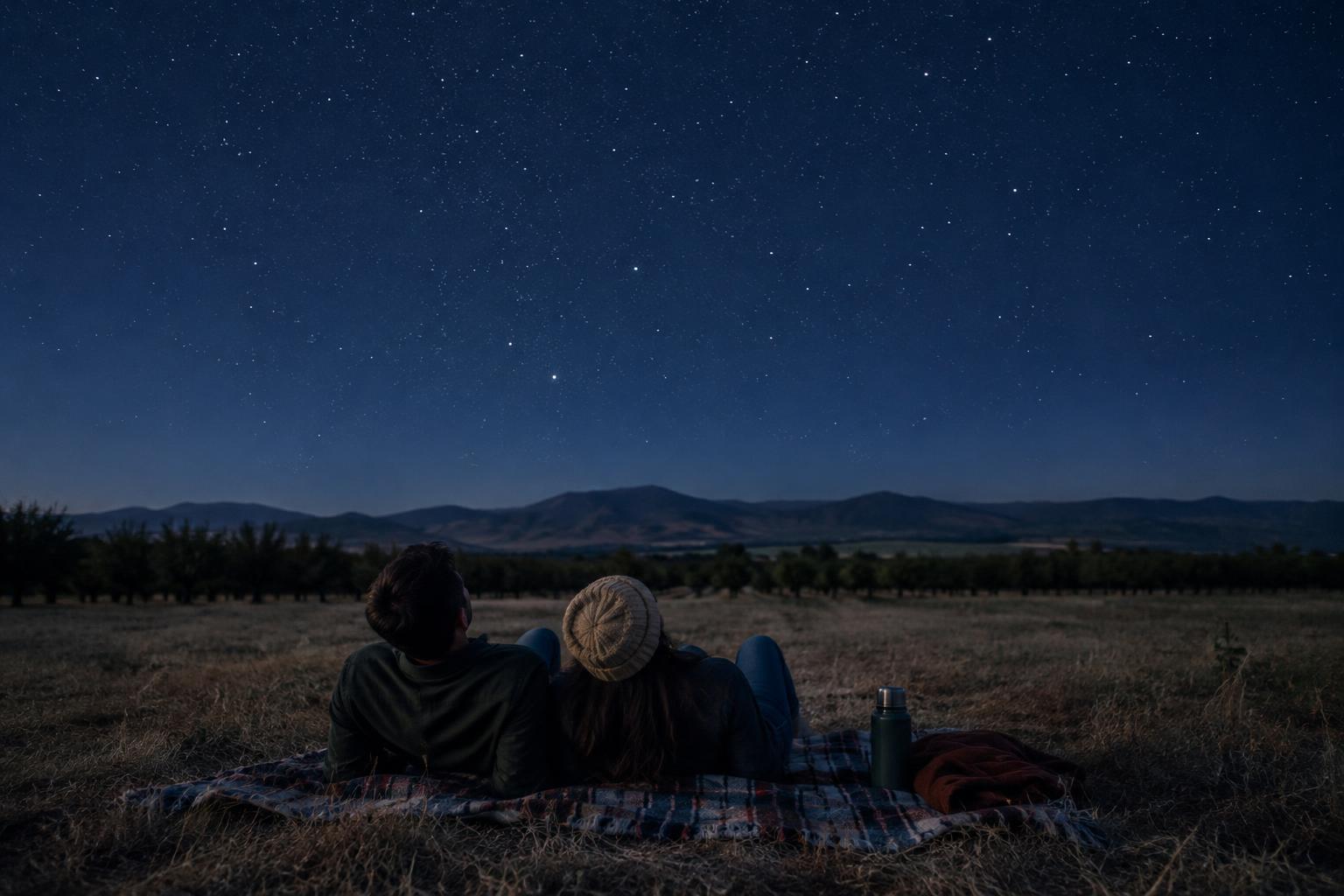
In and around California’s Central Valley, an evening outdoors can feel different from the afternoon that preceded it. Bring a layer even if you leave home in warm weather, and consider a blanket or reclining chair so you can look upward without straining your neck. If you plan to travel beyond town, let someone know where you are going and check the route before daylight fades.
Pick a night that suits the experience you want
A clear sky is the most useful forecast to check. For a star-filled view, a night with less moonlight may help; for an easy first outing, a bright moon can be an enjoyable subject in its own right. You do not need to memorize a calendar or wait for a special event. Choose a night when you can linger without rushing, then adjust your expectations to the conditions you find.
Give the evening a simple shape. Arrive with enough light to settle in, share a snack or warm drink, and watch the sky change as darkness deepens. If haze, clouds or nearby lights limit the view, notice the brightest objects and the silhouettes around you. A short, pleasant outing is more likely to become a habit than one built around seeing everything at once.
Let your eyes do the work
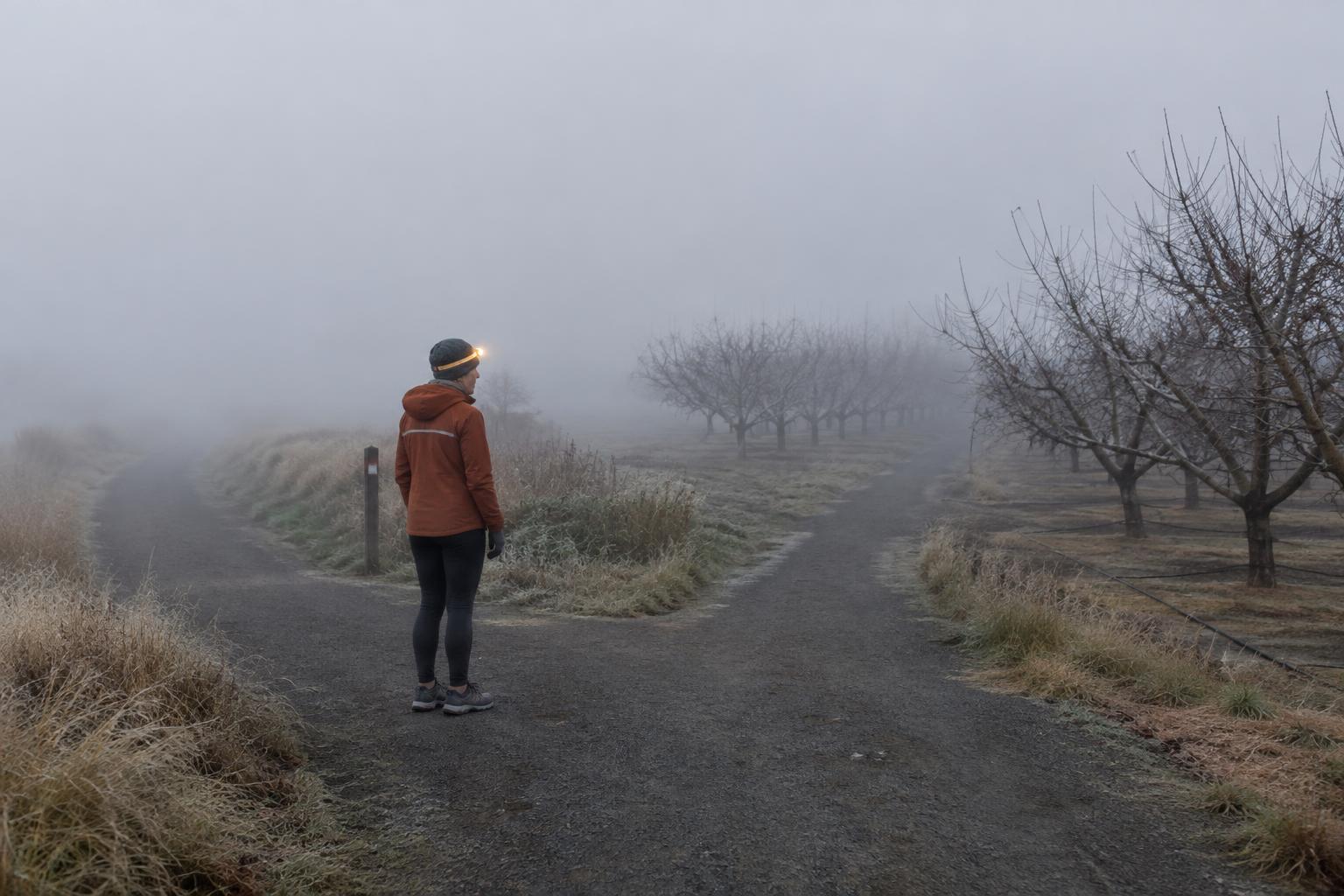
Once you are in place, put bright phone screens and white flashlights away as much as you can. Your eyes need time to grow accustomed to darkness, and a sudden burst of light can interrupt that adjustment. A dim red-light setting can help you check a bag or read a note while keeping the outing comfortable for everyone nearby. Use enough light to move safely, especially around steps, uneven ground or traffic.
Begin with the brightest points you can see. Notice whether some form a recognizable pattern, and return to that pattern later in the evening to see how its position has changed. A paper sky chart or a phone app can help you identify what you are looking at, but neither is essential. If you use an app, dim the screen and treat it as a quick reference rather than the main attraction.
Look for more than stars
The moon is rewarding without magnification: its lit shape changes over time, and its darker and lighter areas invite a closer look. Planets, when visible, can appear as particularly bright points, though which ones you can see depends on the night. You might also notice a moving light overhead or catch a brief streak across the sky. There is no need to identify every sight immediately; observing carefully is part of the pleasure.
Try turning the evening into a small shared ritual. Invite each person to choose one patch of sky and describe what they notice, or spend a few quiet minutes looking before anyone reaches for an app. For children or first-time stargazers, questions such as “What changed since we arrived?” can be more inviting than a quiz about names. A notebook can hold sketches, weather notes and favorite moments without turning the outing into a lesson.
Keep the outing easy to repeat
Pack lightly: water, a layer, something comfortable to sit on, a small light and any snacks you can carry out again. Follow local fire rules, leave the site as you found it and keep voices low if others are enjoying the dark. If you are driving, avoid stopping on a roadside simply because the sky looks good; choose a legal, safe place to park before stepping out.
The best stargazing spot may be the one you will actually revisit. Returning to the same yard or permitted open space makes it easier to notice how the view changes across the year. You can start with twenty minutes and stay longer when the night invites it. Without a telescope or a checklist, looking up can be a relaxed way to end a Central Valley day.