Start with the gathering, not the grocery list
A budget-friendly gathering begins with a simple question: What do you want people to do together? An afternoon of conversation calls for different food than a sit-down dinner. Decide on the time, approximate guest count and style before planning a menu. When the plan is clear, it is easier to skip purchases that look appealing but do not help the occasion.
Set a comfortable spending limit, then leave a little room within it for forgotten basics such as ice or napkins. Take stock of what you already have: serving bowls, a pitcher, pantry staples and enough places to sit. There is no need for every plate to match. For casual hosting, a table that feels usable matters more than one that looks perfectly arranged.
Spend on one thing guests will remember
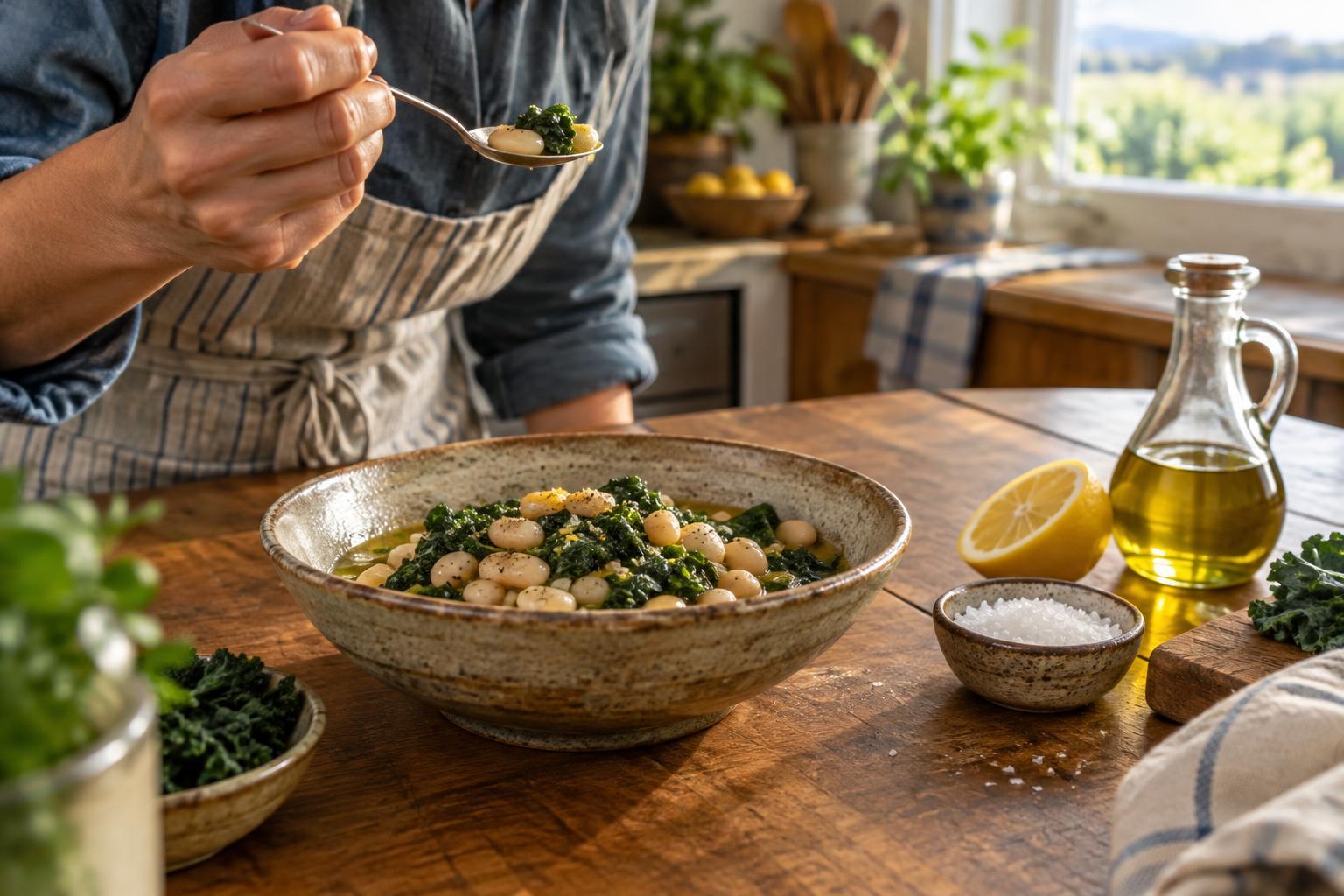
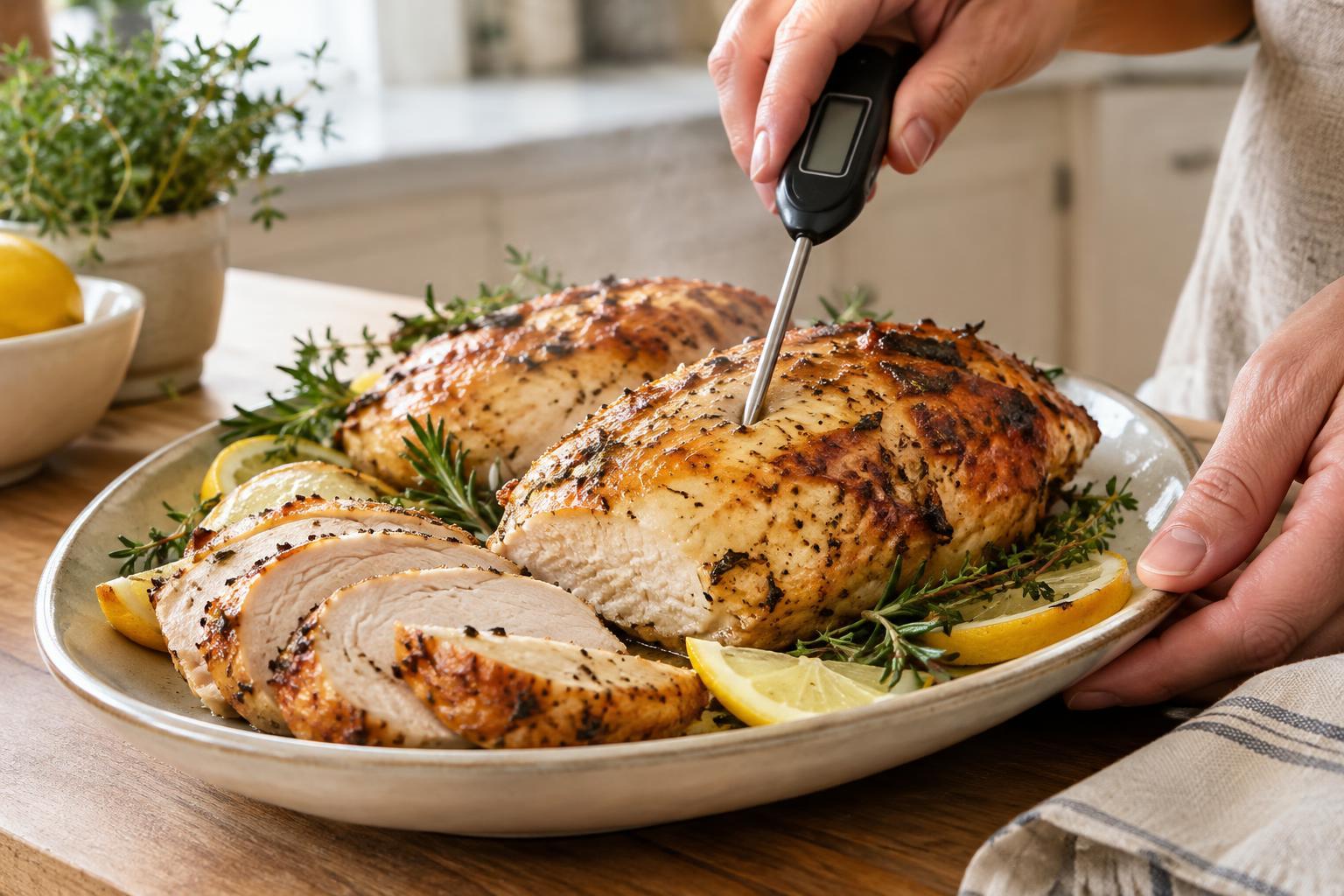
Choose one anchor for the gathering and put the largest share of the food budget there. It might be a generous main dish, good bread, a favorite dessert or a platter of fruit that tastes its best. The anchor gives the meal a sense of occasion; the supporting dishes can stay uncomplicated. A tray of roasted vegetables and a bowl of seasoned beans, for example, can sit comfortably beside a dish you took more time to make.
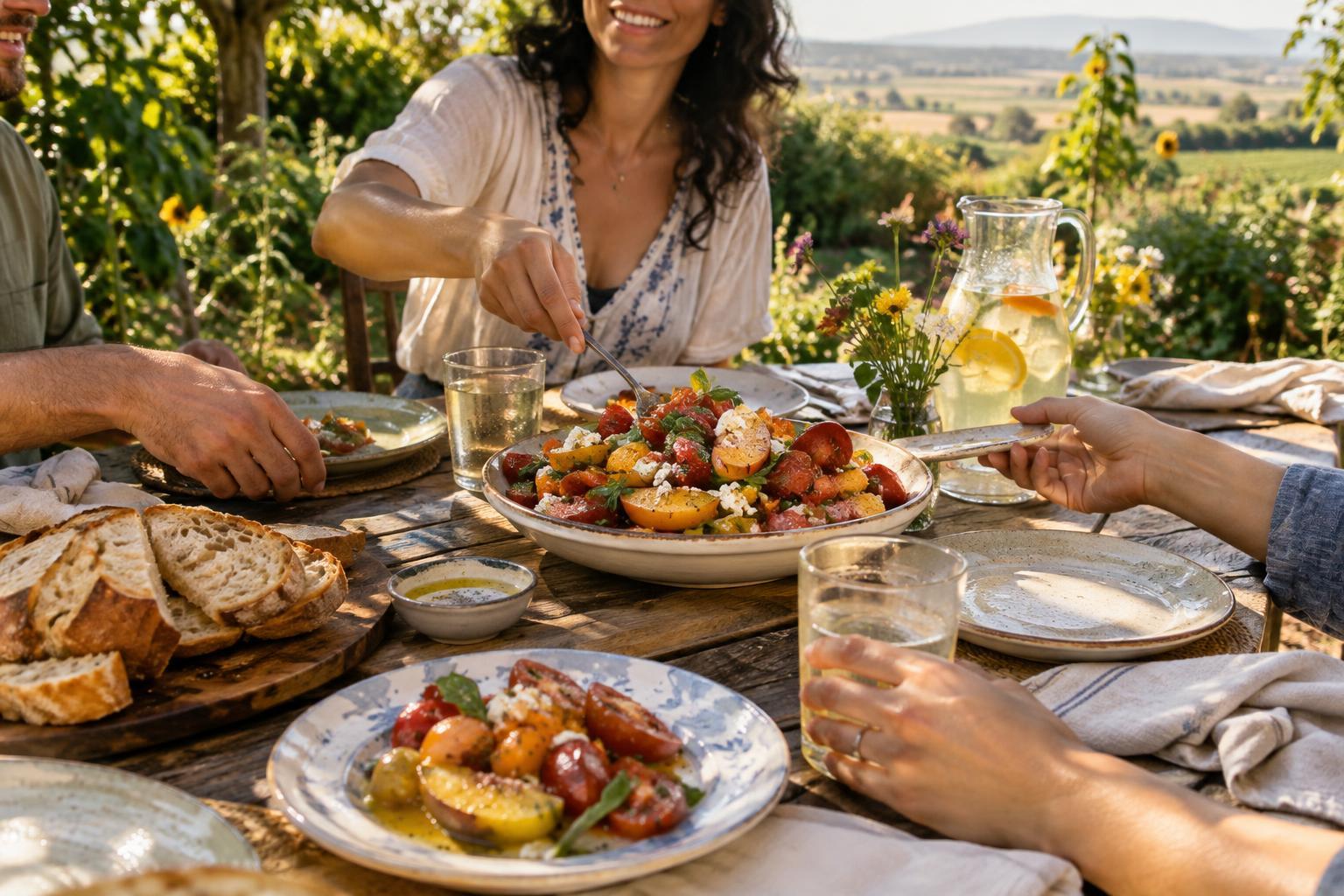
If you are shopping in the Central Valley, let what looks appealing and reasonably priced guide that choice rather than building a menu around one hard-to-find ingredient. A ripe melon, fresh tomatoes or citrus, when available, may need little more than thoughtful cutting and a serving bowl. Check prices and quality before committing. A flexible menu lets you choose what works on the day you shop.
Simplify the menu without making it feel sparse
Aim for a small menu with variety in texture and temperature: something substantial, something crisp or fresh, and an easy finish. A baked pasta, green salad and sliced fruit can make a complete meal. So can a spread of tortillas, beans, vegetables and a few toppings that guests assemble themselves. Both approaches are easier to manage than several dishes that need last-minute attention.
Use ingredients more than once where it makes sense. Herbs can brighten a salad and finish a main dish; a batch of beans can become a filling and a side. Repetition keeps the shopping list shorter without making the table monotonous. Before buying extra appetizers, ask whether the main meal already offers enough food. A small snack for arrivals is useful, but it does not have to become a second menu.
Keep drinks and the table easy
Drinks can quietly take up a large part of a hosting budget. Rather than trying to offer every option, put out cold water and one other drink you enjoy serving. A pitcher with sliced citrus or herbs feels welcoming and is easy to refill. If guests ask what they can bring, you can suggest a drink they like; make it an invitation, not an expectation.
For the table, spend effort on comfort rather than decorations. Clear a place for food, set out plates and utensils where guests can find them, and make room for people to sit or stand without crowding. A clean cloth, a few branches from your yard or a simple bowl of produce can be enough of a centerpiece. Use what you have, and skip anything that blocks conversation or takes up needed serving space.
Protect your time as well as your budget
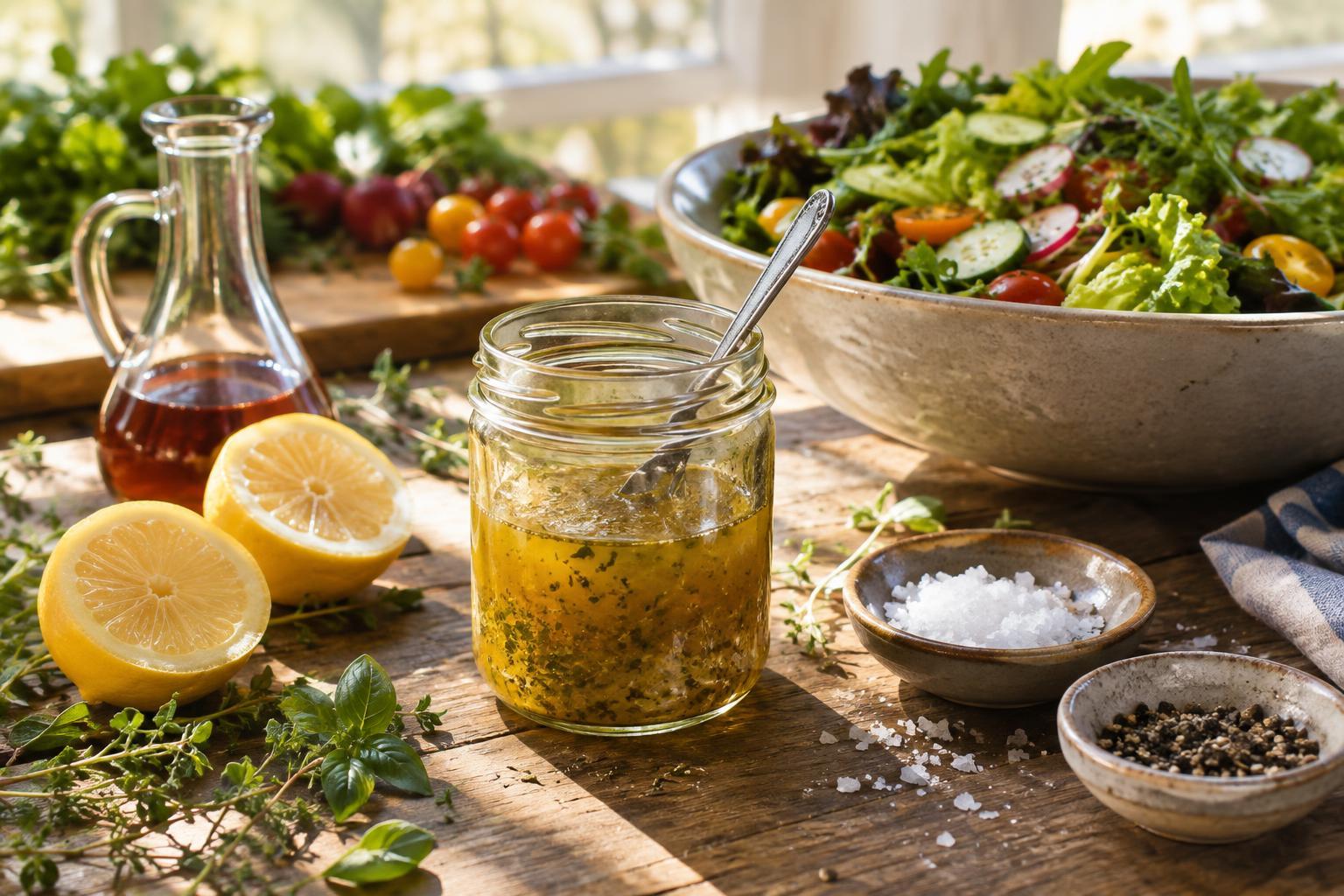
The least expensive plan is not always the easiest to host. If making everything from scratch would leave you rushed, consider one prepared element alongside dishes you can make ahead. Wash produce, mix a dressing or set out serving dishes earlier in the day. Leave only a couple of tasks for the time just before guests arrive, and choose food that still tastes good if conversation delays the meal.
A little advance communication helps, too. Tell guests whether you are serving a full meal or a light snack, and ask about dietary needs while there is still time to plan. Then let the gathering be casual. People can help pass bowls, pour water and find a seat. The goal is not to hide every shortcut; it is to make a space where everyone, including the host, can settle in.