Mistaking “ripe” for “right for today”
A basket of fragrant peaches can be exactly what you want for dessert tonight and a disappointing purchase if you will not be home for three days. Before choosing fruit, decide when you plan to eat it. Buy some pieces ready to enjoy and others that need a little time if you are stocking up for the week. Keeping those two groups separate makes it easier to use fruit before it becomes overripe.
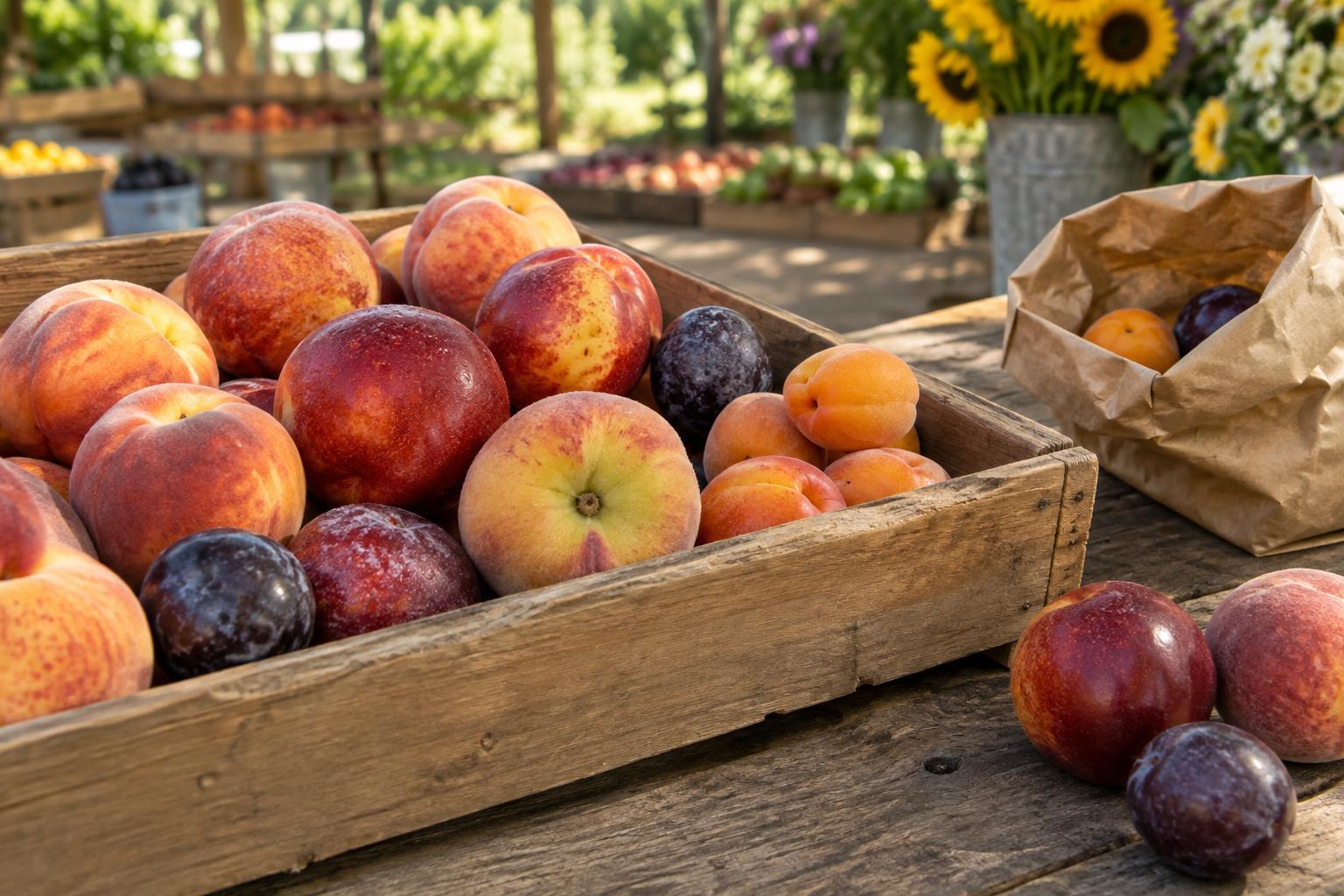
Different fruits also behave differently after picking. Peaches, nectarines, pears and avocados can soften and develop more of their ripe character at home. Strawberries, grapes and citrus will not become substantially sweeter on the counter, so choose those for the flavor and condition they have when you buy them. A firm peach may be a useful plan for later; a pale, hard strawberry usually is not.
Trusting color alone
Color is helpful, but it is not a universal ripeness test. A red blush on a peach or nectarine may reflect sun exposure rather than sweetness. Look at the background color beneath the blush: a warmer tone can be more informative than the brightest patch of red. With berries, seek color that looks typical for the variety across most of the fruit, while checking the whole container rather than only its attractive top layer.
Some varieties stay green when ripe, and others change color in ways that are easy to misread. If you are unfamiliar with a fruit, compare several pieces of the same kind instead of relying on a single ideal shade. Appearance can help you rule out obvious damage, but pairing it with aroma and a gentle check of firmness gives you a better picture.
Squeezing to find the softest piece
Firmness matters, especially for stone fruit and pears, but pressing hard can bruise the fruit you leave behind. Hold a piece in your palm and use light pressure near the stem or along the shoulder. For a peach or nectarine you plan to eat soon, a little give can be promising; a mushy spot or leaking juice suggests it may be past its best for fresh eating. If you plan to carry fruit on an outing, a slightly firmer piece may travel better.
Aroma can offer another clue without causing damage. Ripe peaches and some melons often smell pleasantly fruity near the stem, though a faint scent does not automatically mean poor flavor. Avoid fruit with a fermented smell, especially if it also has wet or collapsed areas. For grapes and berries, focus less on squeezing individual pieces and more on whether the bunch or container looks dry, sound and free of mold.
Ignoring the fruit underneath
A beautiful display can hide a few crushed pieces. Turn a berry container gently to inspect the bottom, and look for juice stains, fuzzy growth or fruit stuck together. Check that grapes are firmly attached to their stems and that loose fruit has not collected in a damp layer beneath the bunch. One damaged piece does not always spoil the rest, but it can shorten the time you have to enjoy what you bought.
Handle loose fruit as you would want the next shopper to handle it. Lift rather than toss, and avoid repeatedly pressing the same spot. A small surface scuff may be harmless, while broken skin invites faster deterioration. If you are buying a mixed assortment, keep delicate berries and ripe stone fruit above heavier items on the trip home.
Forgetting that storage is part of the purchase
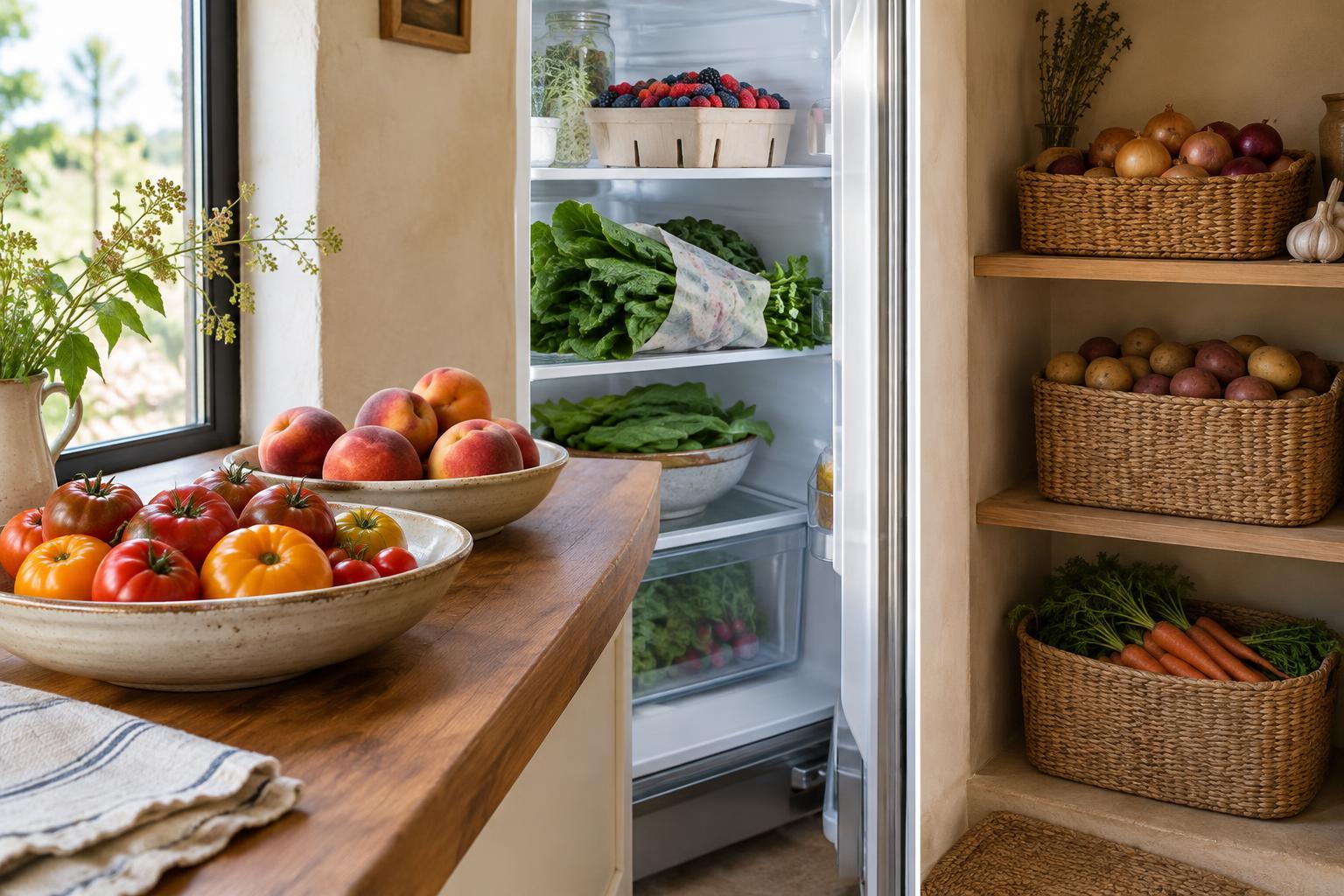
Even a well-chosen piece of fruit needs a plan once it reaches your kitchen. Let firm peaches, nectarines and pears ripen at room temperature, checking them daily. Once they are ready, refrigeration can help buy a little time, though cold fruit may be more flavorful after it sits briefly at room temperature. Refrigerate berries promptly, keep them dry, and rinse them just before eating rather than before storing.
Think about how you will use fruit that ripens faster than expected. Soft peaches can become a quick topping for yogurt, and berries nearing the end of their best days can be cooked into a simple sauce. Buying at peak ripeness is not about finding a flawless piece every time. It is about matching fruit to your schedule, treating it gently and enjoying it while its flavor is at its best.