Know what kind of box you’re buying
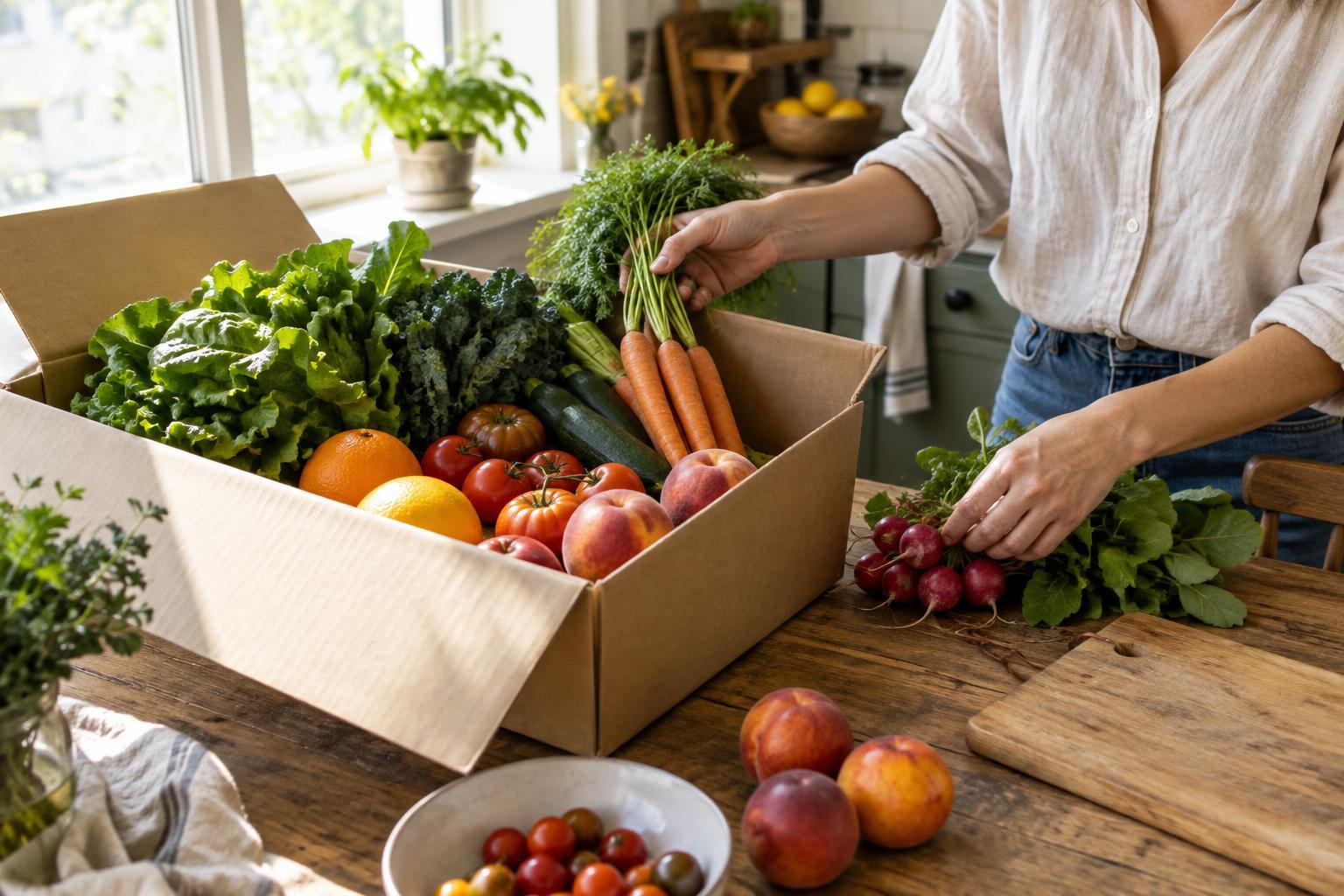
“Produce box” can describe several arrangements. Some services assemble a set selection of fruit and vegetables for delivery or pickup. Others let you choose items before an order deadline. A farm share, often called community-supported agriculture or CSA, typically involves signing up with a farm for a run of weekly or biweekly boxes. The details vary, so the name alone will not tell you exactly what you’re getting.
In California’s Central Valley, a box can be an appealing way to cook with produce grown close to home. Still, do not assume every item comes from one farm, or even from the region. If local sourcing matters to you, ask who grows the food and whether the box includes produce from partner farms. Some shares also offer extras, such as eggs or flowers, while others focus only on fruit and vegetables.
Expect variety, including some surprises
The contents of a seasonal box can change from week to week. That is part of its appeal: familiar ingredients may arrive alongside something you would not have picked out yourself. A box might prompt a new way to cook greens, use a generous bundle of herbs or build a meal around ripe fruit. It can make home cooking feel less repetitive without requiring a complicated recipe.
That same unpredictability can be frustrating if your household needs a precise shopping list. Before joining, find out whether you can preview the box, swap items or note preferences. Ask how much produce a typical box contains and whether there is a smaller size. Photos and sample lists can help, but treat them as examples rather than promises of what will appear each week.
Check the schedule and the fine print
A good box for your kitchen also has to fit your routine. Check the pickup location or delivery area, the time window and what happens if you miss a pickup. If delivery is offered, ask whether someone needs to be home and how the produce is packed. A convenient pickup near your regular errands may be more useful than a box that sounds exciting but requires a difficult trip each week.
Also ask about the commitment. Some subscriptions can be paused or canceled easily; others ask you to sign up for a full season. Find out when payment is due, whether delivery costs extra and what happens during a holiday or a week away. With a farm share, you may be sharing in the farm’s changing harvest, so quantities and selections may vary. Understanding that arrangement ahead of time makes it easier to decide whether it suits you.
Give the produce a plan when it arrives
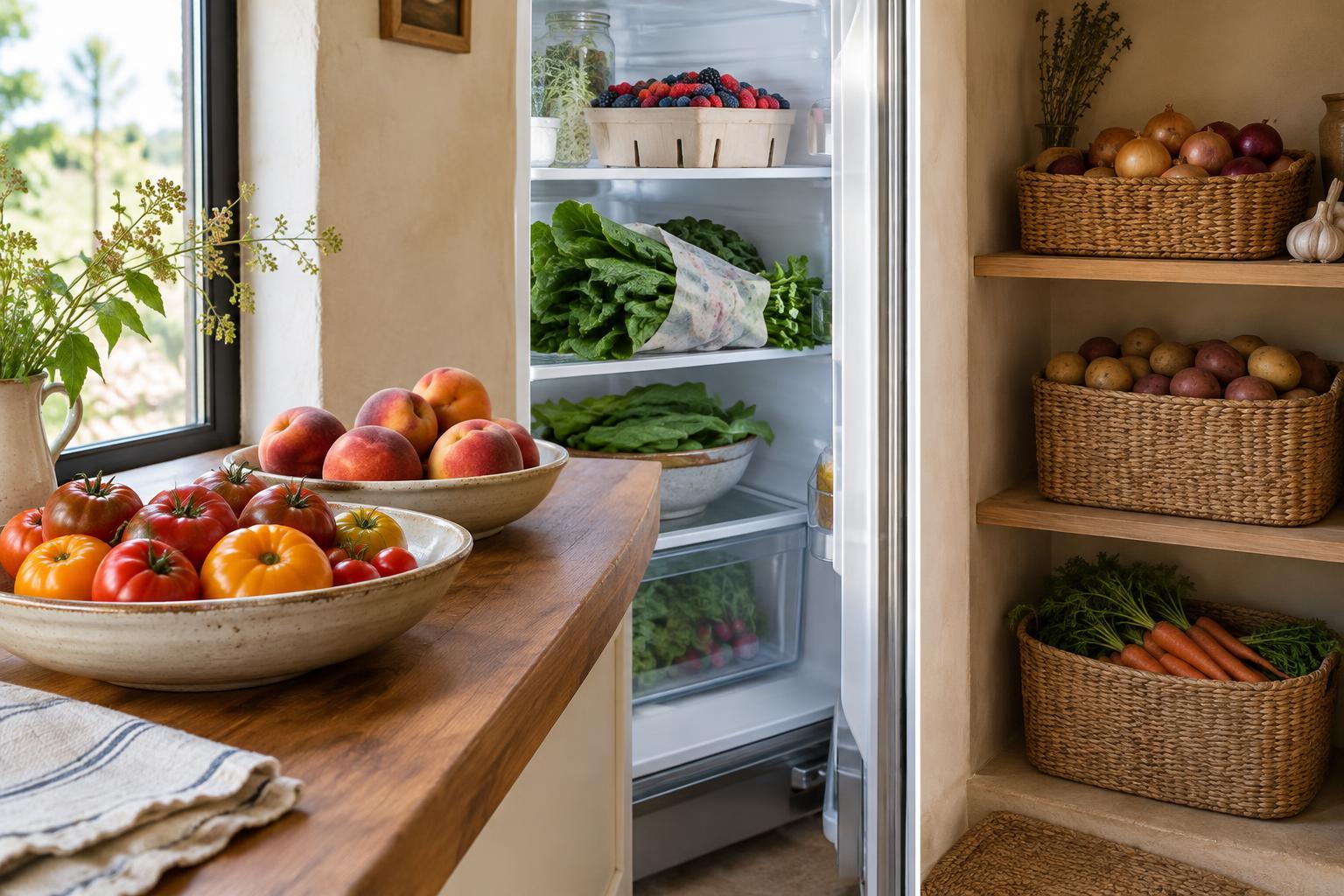
You do not need to map out every dinner, but a few minutes of sorting can prevent a box from becoming a crowded refrigerator drawer. Check everything when you get home. Set aside delicate or very ripe items to eat first, then identify sturdier ingredients that can wait. If you receive unfamiliar produce, ask the provider what it is and how they like to prepare it.
Build meals around flexible ideas rather than one recipe per item. Greens can go into a quick sauté, a soup or a filling for a simple grain bowl. Extra vegetables can be roasted together for lunches. Fruit that is past its best for eating out of hand may still work cooked into a breakfast topping. If you have more than you can use, sharing with a neighbor can be easier than trying to preserve everything at once.
Choose a share that matches the way you eat
A box is most rewarding when its size, timing and level of choice match your household. If you enjoy improvising meals and trying unfamiliar ingredients, a fixed seasonal share might be a pleasure. If you need specific produce for packed lunches or family favorites, a customizable box may be a better fit. Starting with a smaller option, when available, gives you room to learn how much you actually use.
Think of a produce subscription as one part of your food shopping, not a test of whether you can use every stem. You may still need staples or particular ingredients from a market. The aim is to find a comfortable rhythm: unpack the box, cook what is most perishable and let the remaining produce suggest a few meals. That approach leaves room for both the pleasures of a changing harvest and the realities of a busy week.