Start with a flexible plan
Hosting families works best when the plan has room to bend. Rather than scheduling every hour, choose a loose rhythm: arrival and snacks, a shared meal, then unhurried time to visit or play. Let guests know the basic plan ahead of time, including whether you expect to eat indoors or outside. Parents can bring what their children need, and everyone arrives with a clearer idea of the day.
Think about what the adults hope to enjoy, too. A chance to finish a conversation, sit comfortably and eat while the food is warm matters just as much as keeping children occupied. A gathering need not promise uninterrupted quiet. It can offer small pockets of calm within a lively afternoon.
Make room to gather and room to move
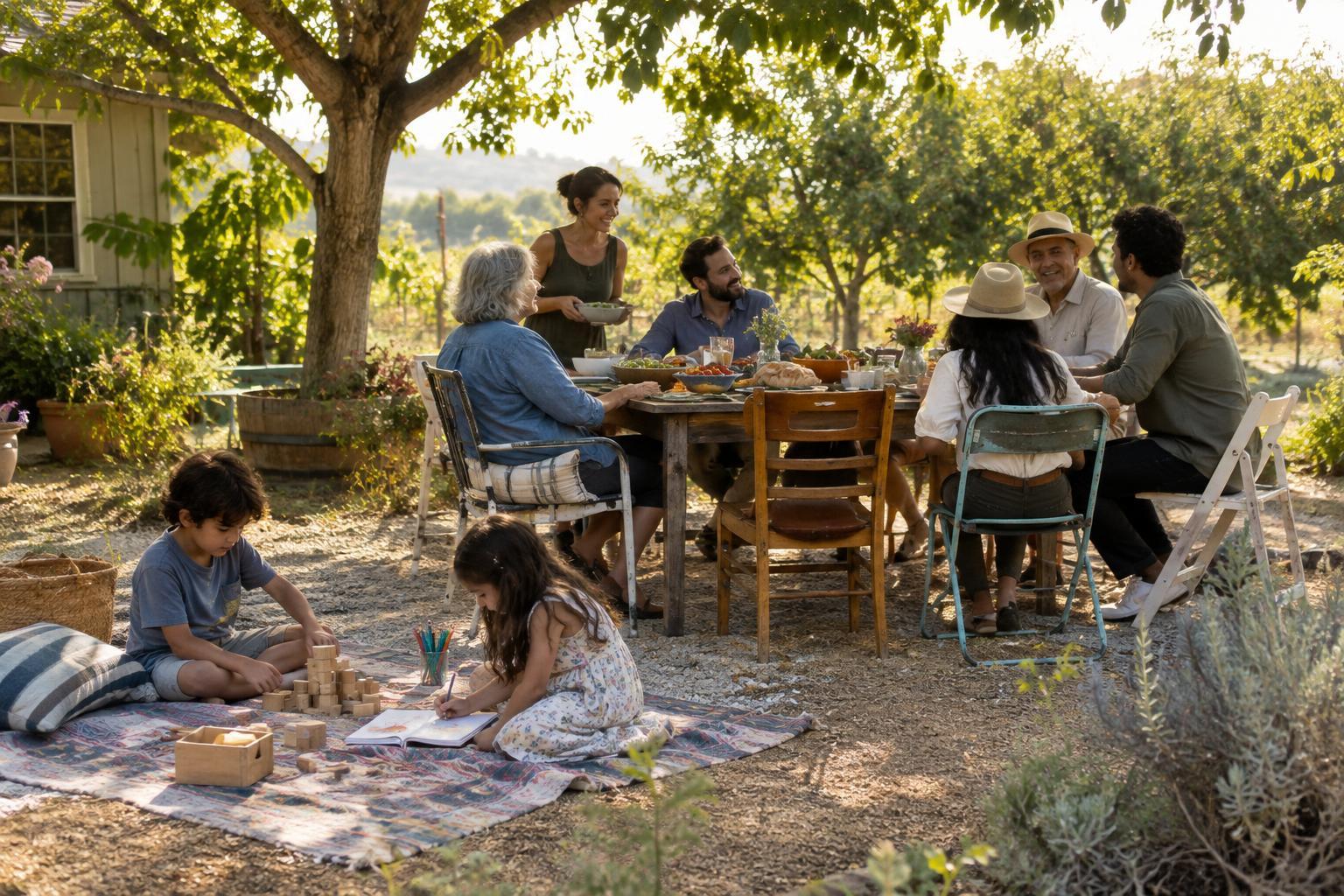
Give the gathering a few distinct places to settle. A main table can hold the meal, while a blanket, low table or clear patch of floor gives children a place for drawing or games. Keep these areas close enough that caregivers can stay involved without everyone crowding around the same chairs. If you are hosting outside, choose a spot with comfortable shade when possible and have an indoor option if conditions change.
Before guests arrive, walk through the space at a child’s eye level. Move fragile pieces and anything you would rather not have handled. Keep walkways clear, and tell families about boundaries that may not be obvious, such as a room that is off-limits or a gate that needs to stay closed. You do not have to make every corner a play area; a welcoming space can still have clear limits.
Build a meal people can make their own
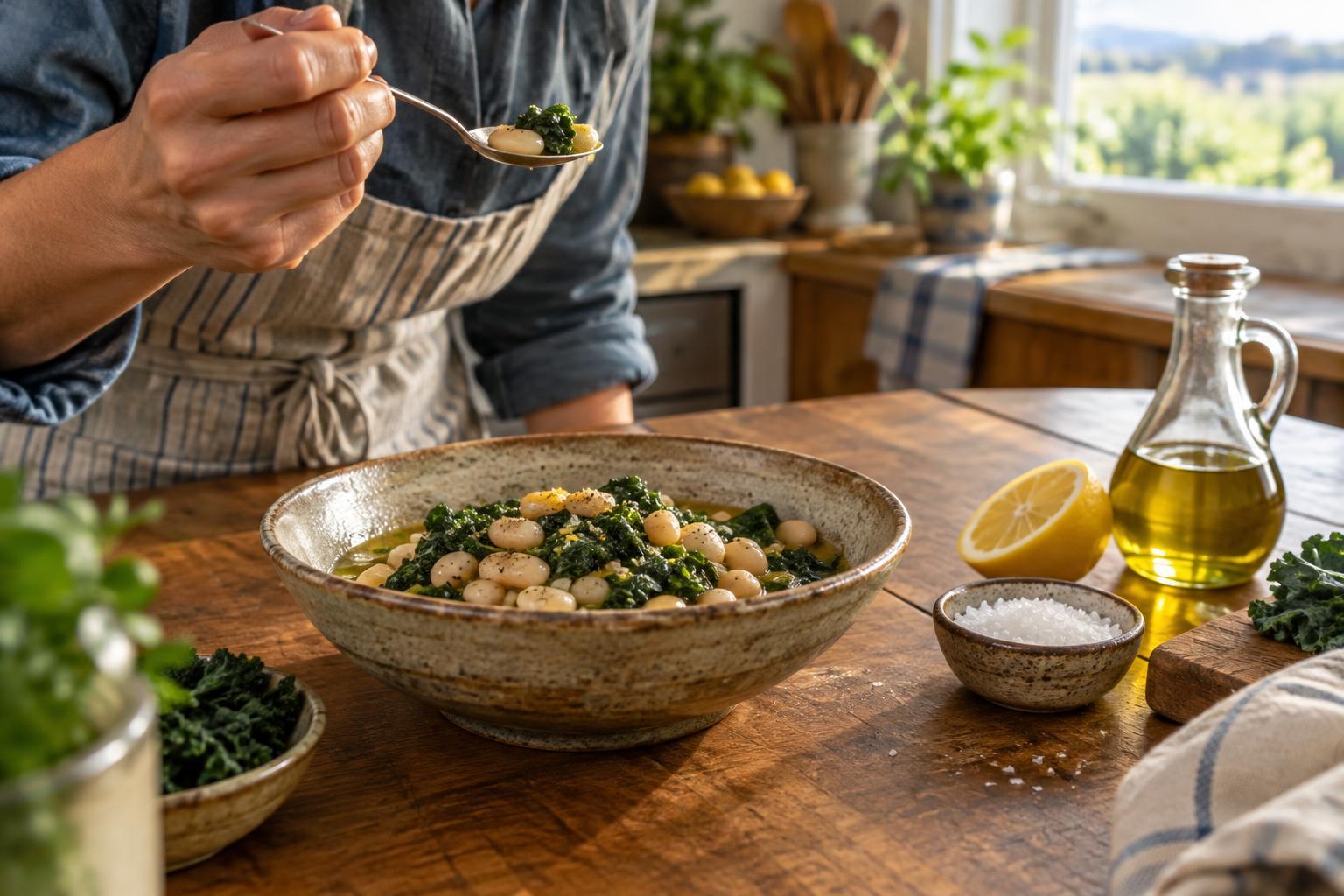
A flexible menu reduces work for the host and gives guests choices. For a Central Valley-inspired table, you might set out seasonal fruit or vegetables alongside simple dishes such as sandwiches, a grain salad or roasted vegetables. Serve sauces and stronger flavors on the side so guests can decide what goes on their plates. Label dishes when ingredients are not obvious, and ask about dietary needs before you shop.
Consider timing as well as food. Put out a small snack and water when people arrive, especially if the main meal is still a while away. Set aside serving utensils and a reachable place for napkins so adults are not fielding every request. Refillable pitchers and a modest selection of drinks are often easier to manage than an elaborate beverage station. Keep the menu short enough that you can sit down with your guests.
Offer activities without directing the day
Children do not always need a planned program. A basket of paper, washable crayons and a few familiar games can be enough to help them get started. Outdoors, a ball or a simple scavenger hunt can invite movement without requiring the whole group to participate. Choose activities that suit the ages attending, and check with caregivers before setting out materials with small pieces or anything likely to make a mess.
Leave room for adults and children to mix, too. Inviting willing helpers to carry napkins to the table or choose fruit for a platter can make preparation part of the gathering. After the meal, an easy walk around the yard or a shared dessert can bring everyone back together. The aim is not to keep children separate; it is to offer options when different people want different things.
Let the gathering feel lived-in
The most useful hosting tools are often permission and patience. Tell guests where they can find water, where bags can go and whether they should help themselves to seconds. If a child needs a break, make it easy for a caregiver to step away without ceremony. If the conversation pauses for a spill or a change of plans, attend to it and move on.
As the afternoon winds down, keep departures uncomplicated. A casual invitation to take home leftovers is fine, but no one should need to pack up a perfect-looking table before leaving. When there is space for conversation, play, rest and the occasional interruption, families can enjoy being together rather than trying to make the gathering run flawlessly.