Plan the menu around the heat
An outdoor lunch or backyard supper can feel effortless, but hot weather changes how long food can safely sit out. Start with a menu that lets you keep perishable dishes cold until guests are ready to eat. Whole fruit, bread, crackers and unopened shelf-stable snacks can wait on the table while salads, dips, dairy products and cooked foods stay chilled.
Think about the trip from kitchen to table, too. If you are heading to a park or picnic spot, pack food just before leaving rather than letting a loaded cooler stand in a warm car. For a gathering at home, prepare serving dishes and utensils ahead of time so chilled food can go straight from the refrigerator to the table. A simpler spread is often easier to manage than a buffet where every dish is out at once.
Pack cold food so it stays cold
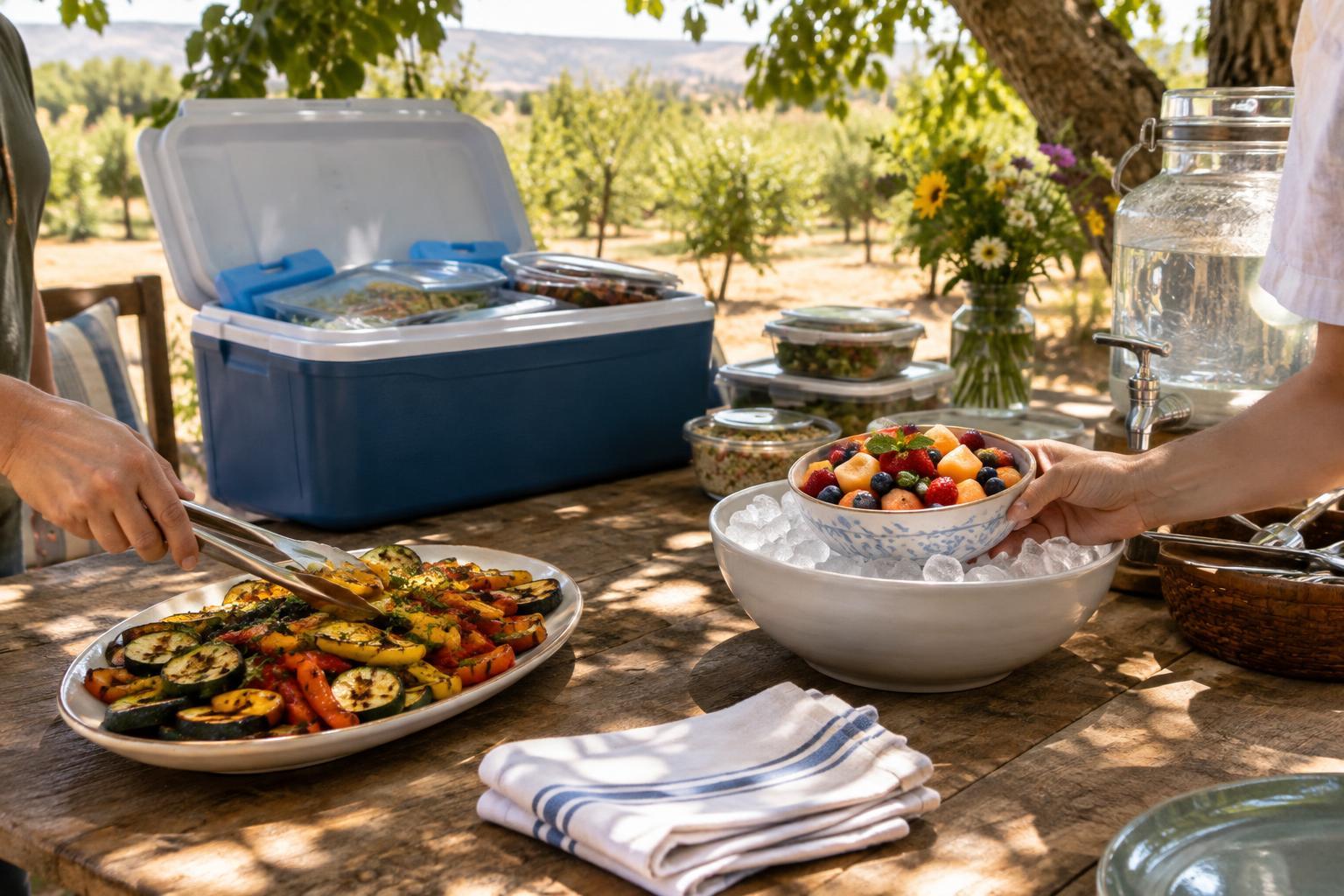
Keep perishable food at 40°F or colder. Use an insulated cooler with plenty of ice or frozen packs, and place food that needs the most protection near the cold source. A thermometer inside the cooler is more reliable than judging by whether the lid or containers feel cool. Keep drinks in a separate cooler if possible: guests can open it often without warming the food cooler.
Pack raw meat, poultry or seafood in sealed containers or bags where their juices cannot reach ready-to-eat foods. Wash produce before packing it, and bring it in clean containers. At the gathering, put the cooler in the shade and close it promptly after each use. Shade slows warming, but it does not replace ice or refrigeration.
Serve in small rounds
Bring out modest portions and replenish them from the cooler or refrigerator as needed. Set cold dishes over bowls or trays of ice if they will remain on display, and check that the food itself stays cold. Hot food being held for service should stay at 140°F or hotter; a covered dish sitting in warm air is not necessarily hot enough. If you cannot maintain a safe temperature, serve it promptly instead of leaving it on the table.
Keep track of time as well as temperature. Perishable food should generally be refrigerated or discarded after two hours at room temperature; when the air temperature is above 90°F, that window shrinks to one hour. The clock includes time spent in transit and on the buffet. Putting a dish back in the cooler does not undo time it spent warming up, so note when each round came out.
Keep hands, utensils and surfaces clean
Outdoor setups often have fewer sinks and more shared serving points. Wash hands with soap and water before handling food and after touching raw ingredients. If a handwashing station is not nearby, arrange access to clean water and soap before guests arrive; hand sanitizer can be useful in some situations but is not a full substitute when hands are visibly dirty. Set out separate utensils for each dish so guests do not need to improvise.
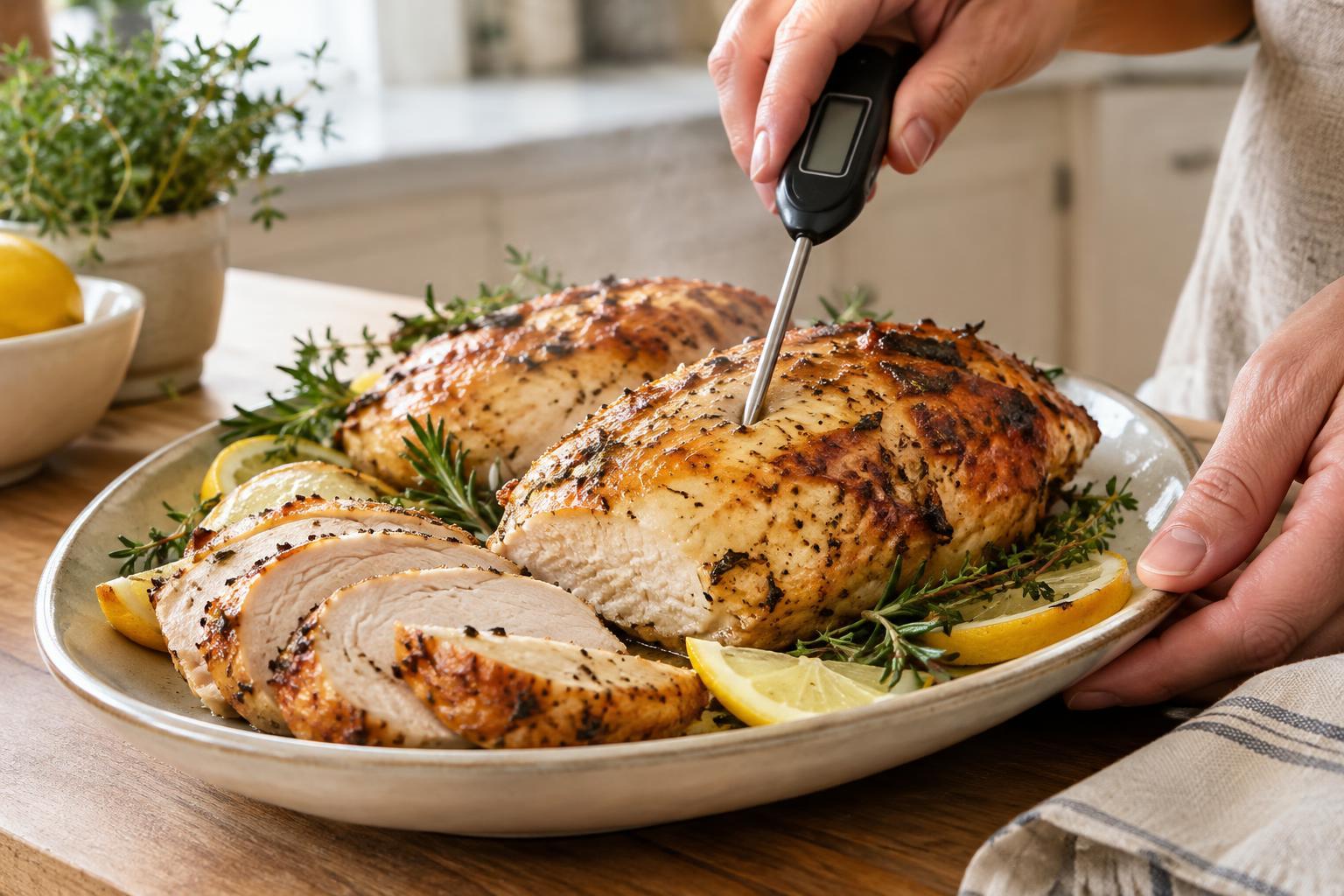
If you are grilling, carry raw food to the grill on one plate and have a clean plate ready for cooked food. Do not reuse a marinade that touched raw meat as a sauce unless it has been properly boiled first. A food thermometer takes the guesswork out of checking whether meat and poultry are cooked; color alone is not a dependable test. Wipe down preparation surfaces and keep serving food away from areas used for raw ingredients.
Make the end of the meal part of the plan
Before guests settle in, decide where leftovers will go. Have clean, shallow containers ready and enough refrigerator or cooler space to chill food promptly. Divide large portions so they cool more quickly. If you are away from home, leave room in the cooler for the return trip and check that its ice has not melted away.
Discard perishable dishes that have exceeded the time limit, even if they look and smell fine. For food that stayed safely chilled or hot, pack it promptly rather than letting it linger while the table is cleared. With the basics handled early, you can spend less time watching the buffet and more time enjoying the company.