Ask early, and ask everyone
A good meal starts before anyone arrives. When you invite guests, include one short question about food alongside the usual details about time and place. Asking everyone the same question keeps any one person from feeling singled out, and asking early gives you room to adjust the menu without a last-minute scramble.
Keep the wording open and matter-of-fact: “Is there anything you avoid eating or need me to know as I plan the food?” For a casual gathering, a text or invitation reply works well. Guests can answer privately rather than explaining their needs across a crowded table. If someone gives a brief answer, you can usually accept it as given; they do not owe you a personal story.
Follow up on what affects the meal
“I don’t eat dairy” might mean a preference, an intolerance, or an allergy. You do not need to ask why, but you may need a little more detail to cook responsibly. Try a practical follow-up such as, “Thanks for letting me know. Is avoiding dairy ingredients enough, or do you also need me to be careful about shared utensils and surfaces?” The aim is to understand what you can serve, not to question the guest’s reason.
If a guest describes a serious allergy or a strict requirement, be honest about your kitchen and your plans. A busy home kitchen may make it difficult to prevent contact between ingredients. Rather than promising that a dish is safe when you are unsure, explain how you expect to prepare and serve it. That gives your guest the information they need to decide what works for them.
Build flexibility into the menu
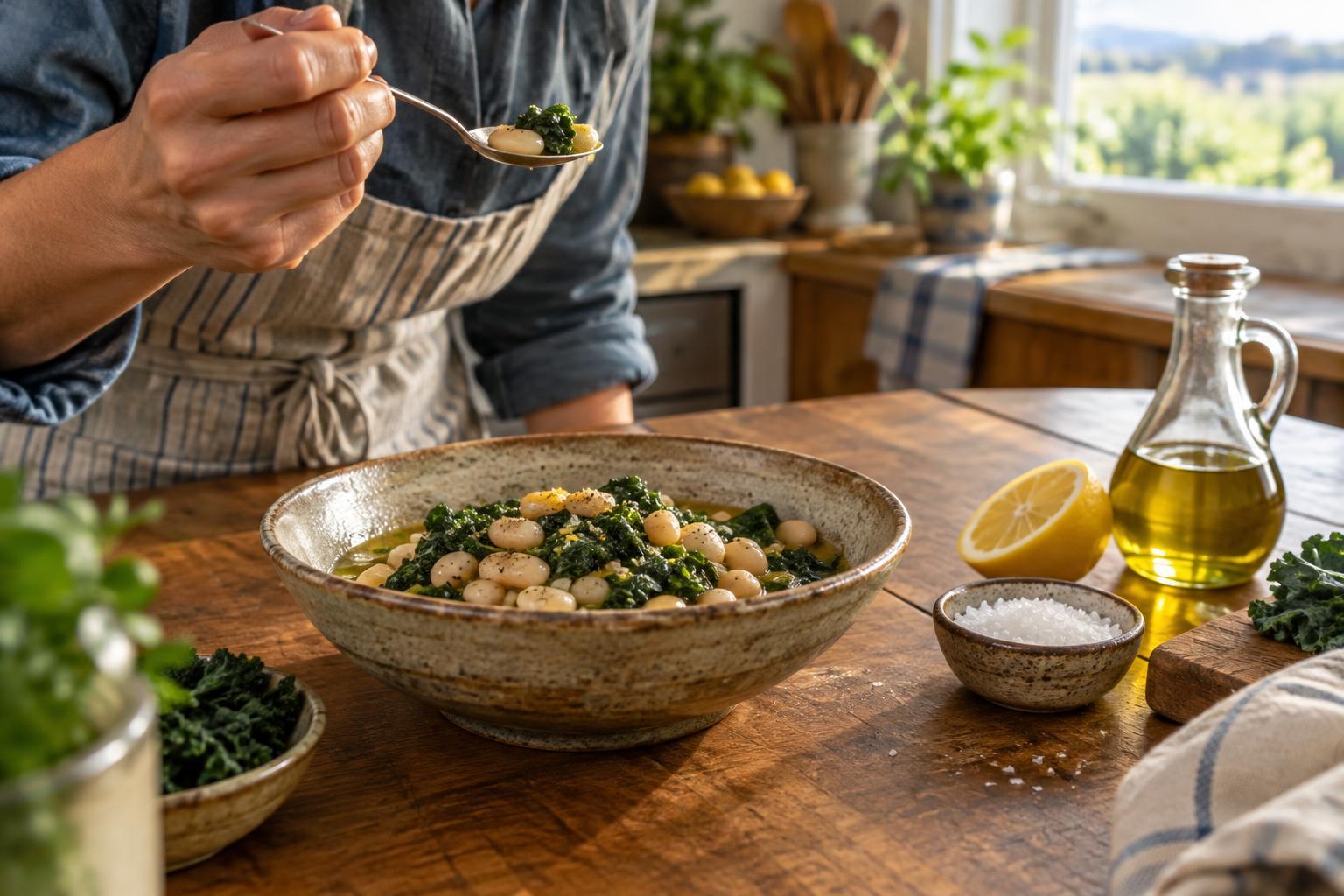
A flexible spread is often easier than making a separate version of every dish. Set out components so guests can assemble a plate that suits them: a grain or potato dish, vegetables, a main, and toppings or sauces served on the side. Seasonal Central Valley produce can make simple choices feel generous, whether the table holds sliced summer fruit, roasted autumn squash, or a crisp salad.
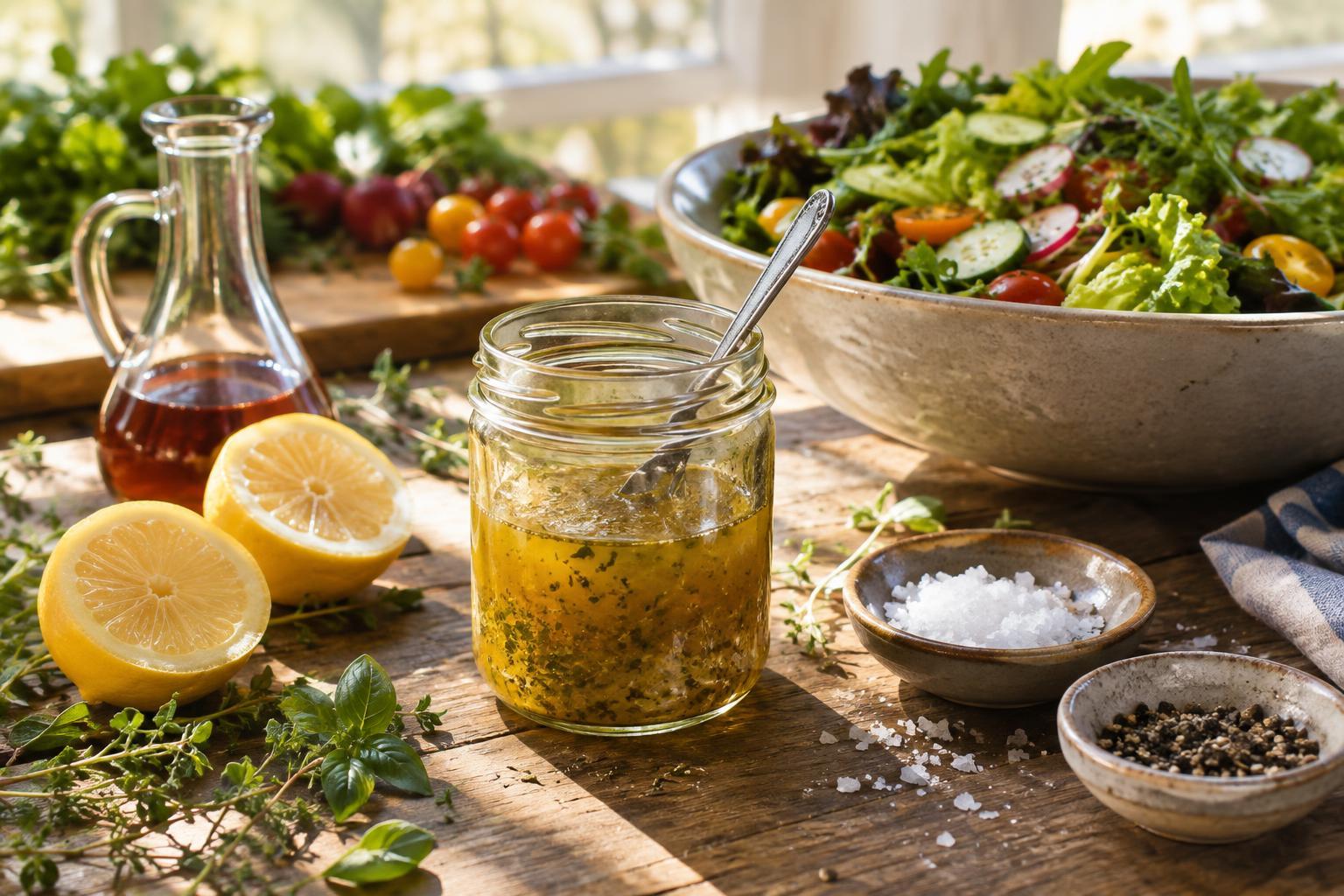
Check the less obvious ingredients, too. Dressings, marinades, bread, and garnishes can contain foods a guest has asked to avoid. If you change a recipe, keep track of the change rather than relying on memory at serving time. When several needs overlap, choose a few dishes that many people can share and add optional extras separately. The goal is a meal people can enjoy together, not a perfect-looking table with too little anyone can eat.
Make the information easy to find
On the day, give guests useful information without announcing anyone’s dietary needs. You might briefly describe each dish as people serve themselves or place small, plain labels beside shared plates. If someone asks about an ingredient, answer directly. If you are not sure, say so instead of guessing.
Serving choices matter as much as menu choices. Separate spoons for sauces and toppings make the table easier to navigate, while a quick check before guests arrive can catch a garnish added out of habit. If you promised to keep a dish free of a particular ingredient, let others know not to add anything to it. These small steps help preserve the choices you planned.
Let hospitality be a conversation
Guests may offer to bring something, especially if their needs are complicated. You can welcome that offer, but avoid making it the default expectation. A useful response is, “I’m happy to plan around this. If bringing something would make you more comfortable, you’re welcome to, but there’s no pressure.” It leaves the choice with the guest while keeping the host’s welcome clear.
You do not have to turn dinner into an interview or a test of your cooking. Ask privately, clarify what you need to know, and be candid about what you can manage. Then let the gathering be about good food and time together. Thoughtful hosting is not about having an answer to every dietary question; it is about making room for an honest answer from your guest.