Start with a person, not a complete family history
Oral history is a way to preserve someone’s memories in their own voice. You do not need to map an entire family tree or produce a polished documentary to begin. One conversation about a childhood kitchen, a first job or a place where relatives gathered can reveal details that a list of names and dates cannot.
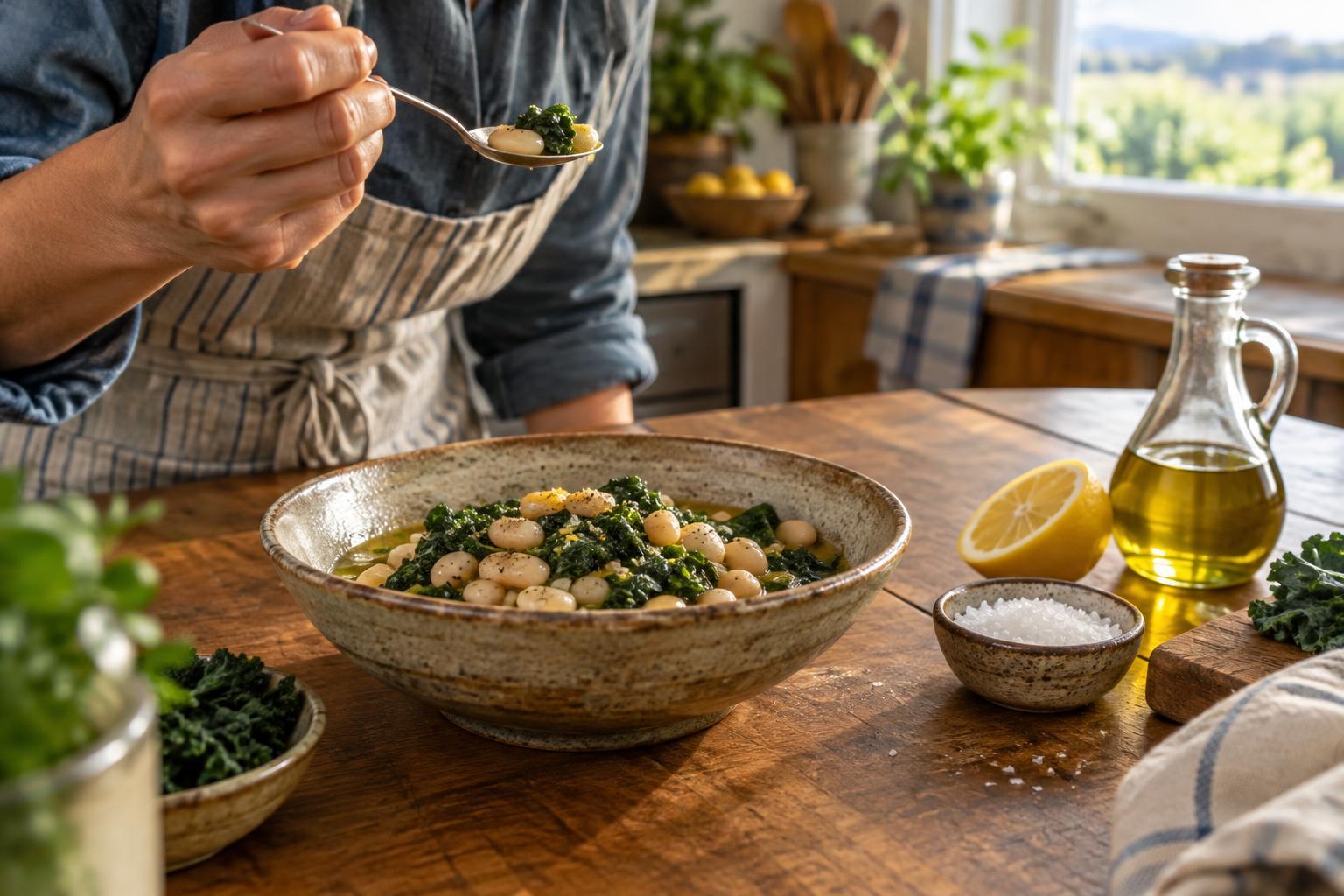
For a family with roots in California’s Central Valley, a question about a familiar meal might lead to memories of gardens, markets, long drives or celebrations. Let the person you interview decide which details matter. Tell them why you would like to record the conversation, how you hope to use it and who might hear it. Ask whether there are subjects they would rather avoid. Starting small makes the invitation easier to accept and gives both of you room to enjoy the conversation.
Prepare questions that invite a story
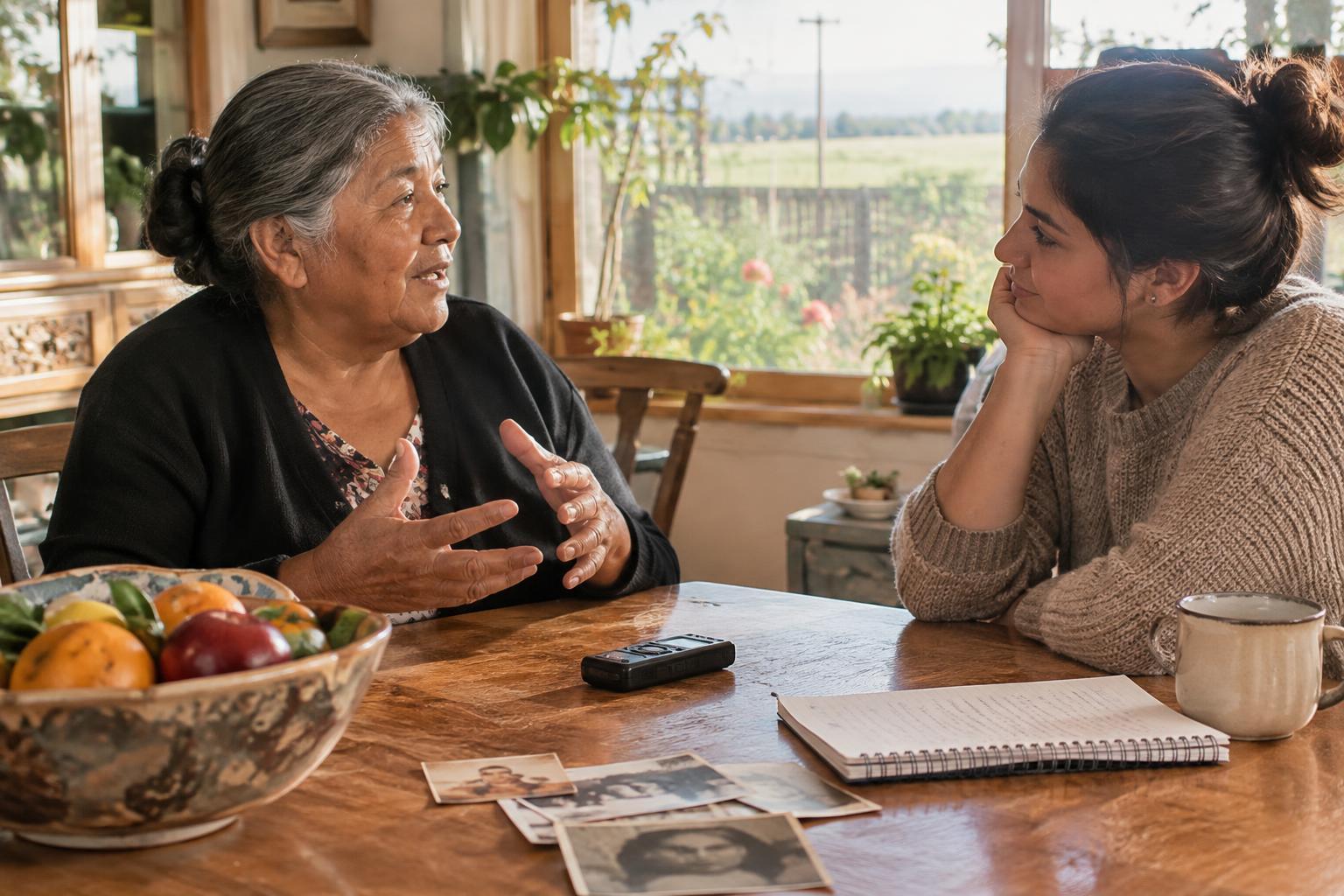
Choose a quiet, comfortable place and allow enough time that neither of you feels rushed. A phone’s recording app may be sufficient; test it beforehand, check the battery and storage, and place it where it can capture both voices. Bring a short list of prompts rather than a script. Photographs, a handwritten recipe or a familiar object can help someone recall a scene, but there is no need to gather props if doing so adds pressure.
Begin with open questions: “What do you remember about the place where you grew up?” or “Who taught you to make that dish?” Follow with gentle requests for detail: “What happened next?” “Who else was there?” “What did it sound or smell like?” Questions about ordinary routines often produce vivid answers. Ask about work, play, neighbors and family traditions as well as major turning points. Avoid correcting a memory during the interview; you can clarify names or dates later.
Listen without taking over
An interview can feel unusual when the person asking questions already knows the storyteller well. Resist the urge to finish sentences or steer every answer toward a familiar family anecdote. Leave a little silence after a response. The pause may give the speaker time to remember something else, or simply to decide what they want to say next.
Memories may be incomplete, and relatives may recall the same event differently. The aim is to record a person’s perspective, not to settle every disagreement. If a story touches on grief or a difficult relationship, ask whether they want to continue, take a break or move on. You can also ask what they hope younger family members will understand about their life. That question leaves space for reflection without requiring a tidy lesson.
Give the recording context
At the beginning of the recording, say each person’s name, where you are and the date. Afterward, give the file a descriptive name and make a brief note of topics you discussed. You might mark the point where a speaker describes a holiday meal or remembers moving to a new neighborhood. These simple notes make the conversation easier to find and revisit years from now.
A transcript or written summary can help people who prefer reading, but it need not erase the qualities of speech. If you share a written version, distinguish between a speaker’s words and your own explanatory notes. Check uncertain spellings and, when possible, ask the person interviewed to review passages you plan to circulate. Keep the original recording even if you create an edited excerpt; the full conversation provides context that a short selection may miss.
Preserve it, then share it thoughtfully
Save a copy of the recording somewhere separate from the device you used to make it, and label any related photos or recipes so their connection is clear. A simple folder with the audio, notes and scanned materials is more useful than a collection of files with names you will not recognize later. Let other family members know where the materials are kept if the interviewee is comfortable with that.
Before sending an excerpt to a wider circle, confirm what the speaker agreed to share. Permission to record a private family conversation is not necessarily permission to post it publicly. You might invite relatives to listen together over a meal, then ask what memories it brings back for them. One interview often opens the door to another, gradually building a record of the people, places and everyday rituals that have shaped your family.