Choose the park before you plan the menu
Start with the kind of afternoon you want. A short lunch with a friend may call for a shaded table close to parking, while a longer gathering might work better where there is room to spread out. Before you go, check the park’s posted information for opening hours, parking, restroom access, picnic rules and any restrictions on glass, grills or pets. If you are meeting others, agree on a specific entrance or landmark rather than assuming everyone will find the same picnic area.
Look beyond the most appealing patch of grass. Notice how far you will have to carry supplies, whether there is a level place to sit and whether your group can gather without blocking a path or play area. Shade can shift as the day goes on, so a portable hat is useful even if you expect to sit beneath trees. For a flexible outing, choose a setup that can move easily if a table is occupied or the wind changes direction.
Build a menu that is easy to carry and serve
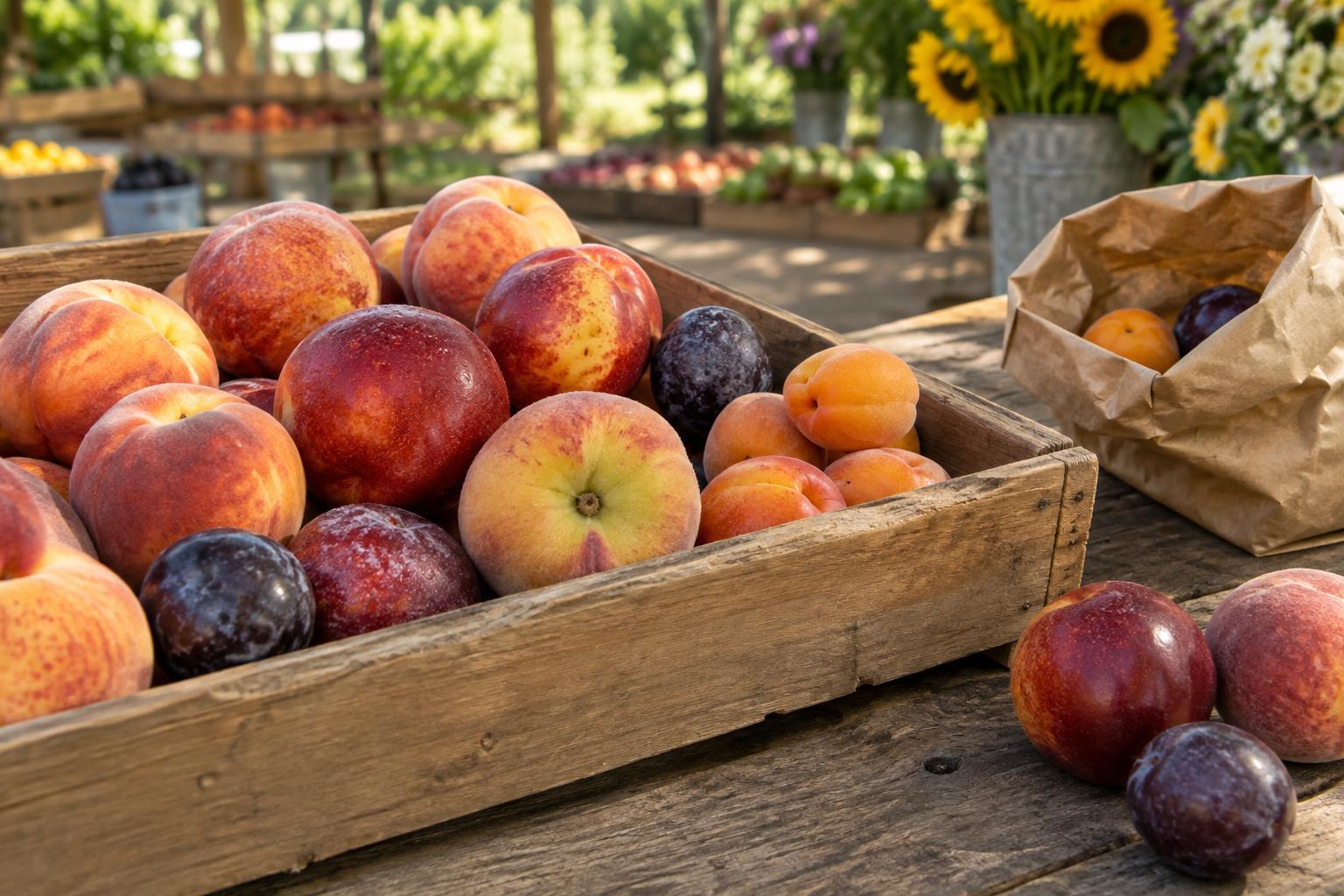
Picnic food is most enjoyable when nobody has to assemble a complicated meal on the ground. Think sturdy sandwiches, a grain or bean salad, washed fruit, sliced vegetables and a snack that can be shared without much preparation. Regional produce can make a simple spread feel special: choose whatever looks good and is practical to wash, pack and eat. Keep sauces separate until serving if they might soften bread or make a salad difficult to transport.
Pack perishable food in a cooler or insulated bag with enough cold packs to keep it chilled until you are ready to eat. Put drinks in a separate bag when possible so people can reach for them without repeatedly opening the food cooler. Bring serving utensils even if the menu seems simple, and pack a small container for leftovers. If you cannot keep a perishable item properly cold, choose a different dish rather than counting on shade alone.
Make comfort part of the packing list
A blanket is helpful, but it is not the whole setup. Add a washable ground layer if the grass may be damp, plus a few cushions or folding chairs for anyone who finds sitting on the ground uncomfortable. Carry plenty of drinking water, hats and sun protection suited to your group. A light layer can help when the air cools or a breeze picks up. For a hot day, consider an earlier or later picnic instead of planning to sit outdoors through the warmest hours.
Keep small essentials together in one bag: napkins, hand wipes or a way to wash hands, a bottle opener if needed, and bags for rubbish and food scraps. Reusable plates and cups are convenient if you can take them home for washing. If children are coming, a quiet activity such as a sketchbook or simple card game can fill the time between eating and exploring without requiring a large pile of equipment.
Give the afternoon a loose shape
A picnic does not need a schedule, but a loose plan helps everyone settle in. You might meet, unpack the food, eat at an easy pace and then take a short walk before heading home. If the group includes different ages or energy levels, choose an optional activity rather than making every guest follow the same route. Leave time to sit and talk; the outdoor setting is part of the occasion, not just a backdrop for the meal.
For a birthday, reunion or other small celebration, keep decorations portable and easy to remove. A handwritten note or shared photo can feel more personal than items that may blow away. For more ideas about marking an occasion thoughtfully, browse Celebrations and Keepsakes · Thoughtful Post when planning the gathering. Check the forecast before leaving, and be willing to change the time or location if conditions would make the outing unpleasant.
Pack out everything you brought
Before you leave, look around the whole picnic area, not just the table. Collect loose napkins, bottle caps, food scraps and anything that may have blown beneath a bench. Put rubbish in an appropriate bin if one is available and has room; otherwise, take it home. Food scraps belong in your cleanup bag, not on the ground where they can attract animals. If you used a shared table, wipe up spills so the next visitors can enjoy it too.
A simple closing routine makes cleanup faster: one person gathers food, another checks the seating area and someone else makes a final sweep. Then take a moment to confirm that everyone has their water bottle, bag and extra layer. The best picnic plan is one you can carry out without fuss—and one that leaves the park ready for the next group.