Start with the kind of day you want
The Central Valley offers more than one kind of walking landscape. Depending on where you live and how far you want to drive, a day hike might take you through a riverside corridor, an open preserve or the foothills at the valley’s edge. For a first outing, choose the experience before choosing the mileage. Do you want shade and an easy conversation, a broad view, or a quiet place to notice birds and plants? A modest route that suits your interests is more rewarding than a difficult one chosen only for its destination.
Look for a clearly marked, established trail with a straightforward return to your starting point. Check its distance, elevation change, surface, access rules and parking arrangements before you leave. A short loop or out-and-back route makes it easier to adjust your plans if the walk feels harder than expected. If you are going with others, agree on a comfortable pace for everyone rather than planning around the fastest person.
Let conditions shape the plan
Valley and foothill conditions can feel very different even on the same day. Exposed trails may offer little relief from sun, while a route near water can have muddy sections or restricted access. Check the forecast and any posted trail notices close to departure, including information about closures, fire restrictions or poor air quality. If the conditions do not suit your group, changing the route or postponing the hike is a useful part of planning, not a failed outing.
Choose a start time that gives you ample daylight to finish without rushing. Estimate how long the walk may take at a relaxed pace, then add time for breaks and route-finding. Set a turnaround time before you begin, especially on an out-and-back trail. Tell someone who is not hiking with you where you plan to go and when you expect to return. These small decisions make the day simpler once you are away from your car.
Pack for comfort, not just distance
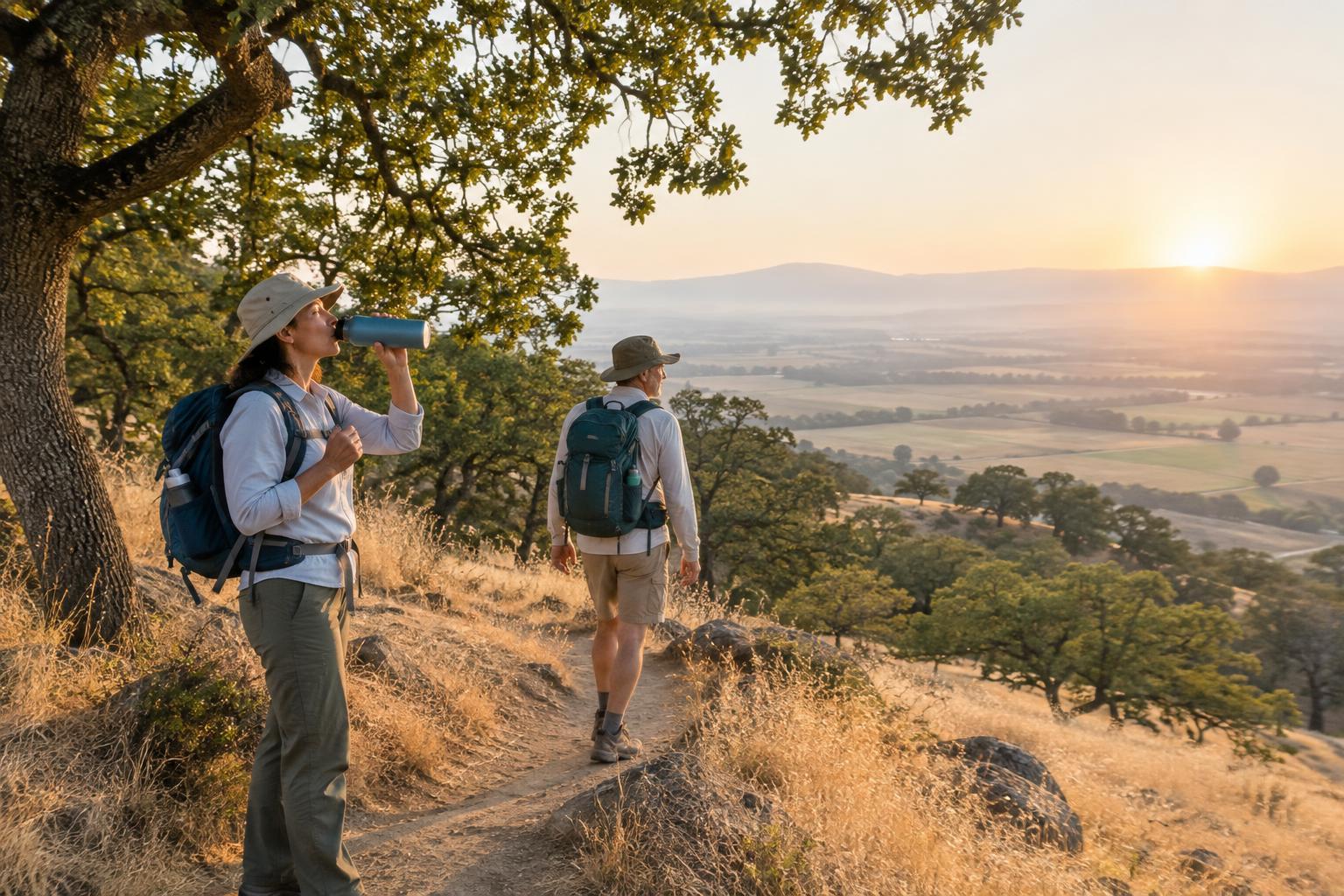
You do not need an elaborate kit for an easy day hike, but you do need to carry what the route and conditions call for. Bring water, a snack, sun protection and a layer you can add if the weather changes. Wear shoes you have already used for walking and clothing that lets you move comfortably. A small bag keeps your hands free and gives you a place to carry your belongings and any litter back out.
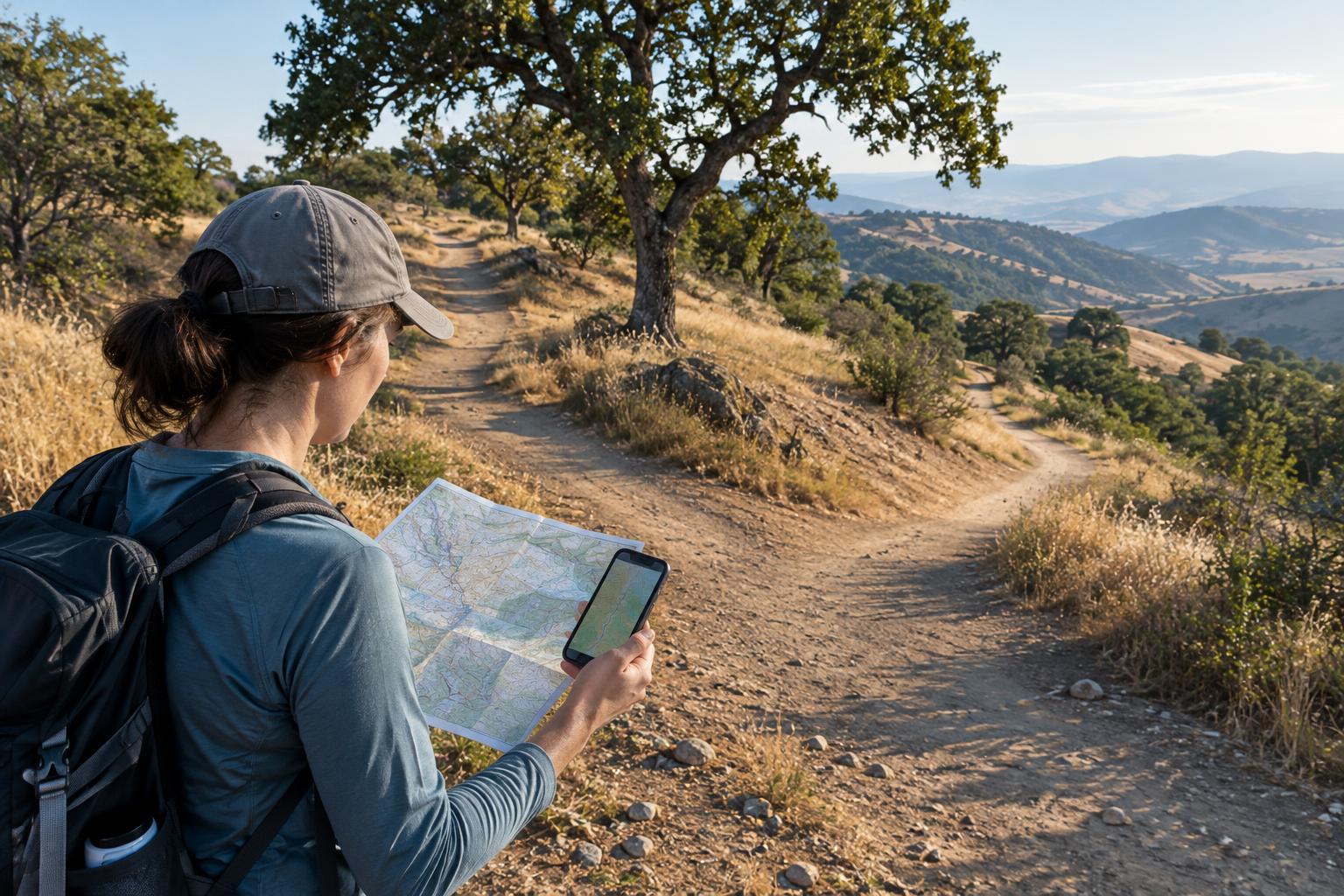
Save a map to your phone before leaving home, and consider carrying a paper version if the route is unfamiliar. Phone service and battery life can be unreliable away from town, so a map works best alongside attention to trail signs and junctions. A charged phone, basic first-aid supplies and any personal items you routinely need are sensible additions. Pack enough to feel prepared, but keep the load light enough that walking remains enjoyable.
Find your rhythm on the trail
Begin more slowly than you think you need to. The first stretch is a chance to notice the trail surface, settle into a pace and see how your group feels. Take short breaks before anyone is exhausted, and drink and eat as needed rather than saving everything for the end. If a climb, uneven ground or the weather makes the hike less comfortable than planned, turning back is a reasonable choice.
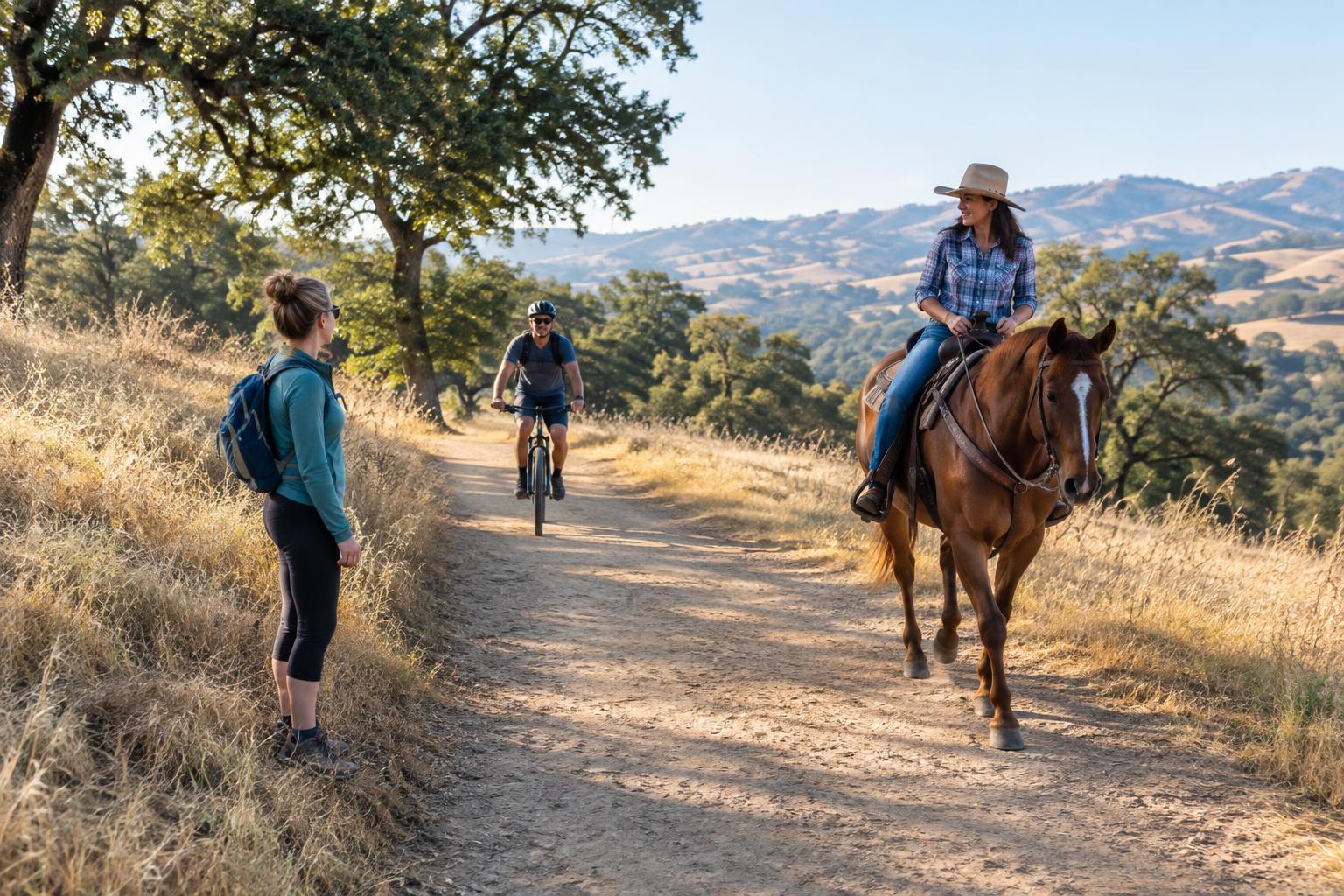
Stay on established paths, follow posted signs and respect boundaries around private property or closed areas. Give other trail users room to pass, and keep noise low enough to share the setting. If you bring a dog, check the trail’s rules first and keep it under control. Leave plants, rocks and wildlife where you find them, and carry out everything you brought in. The goal is to enjoy the place without making the next visitor’s experience harder.
Make room for the small rewards
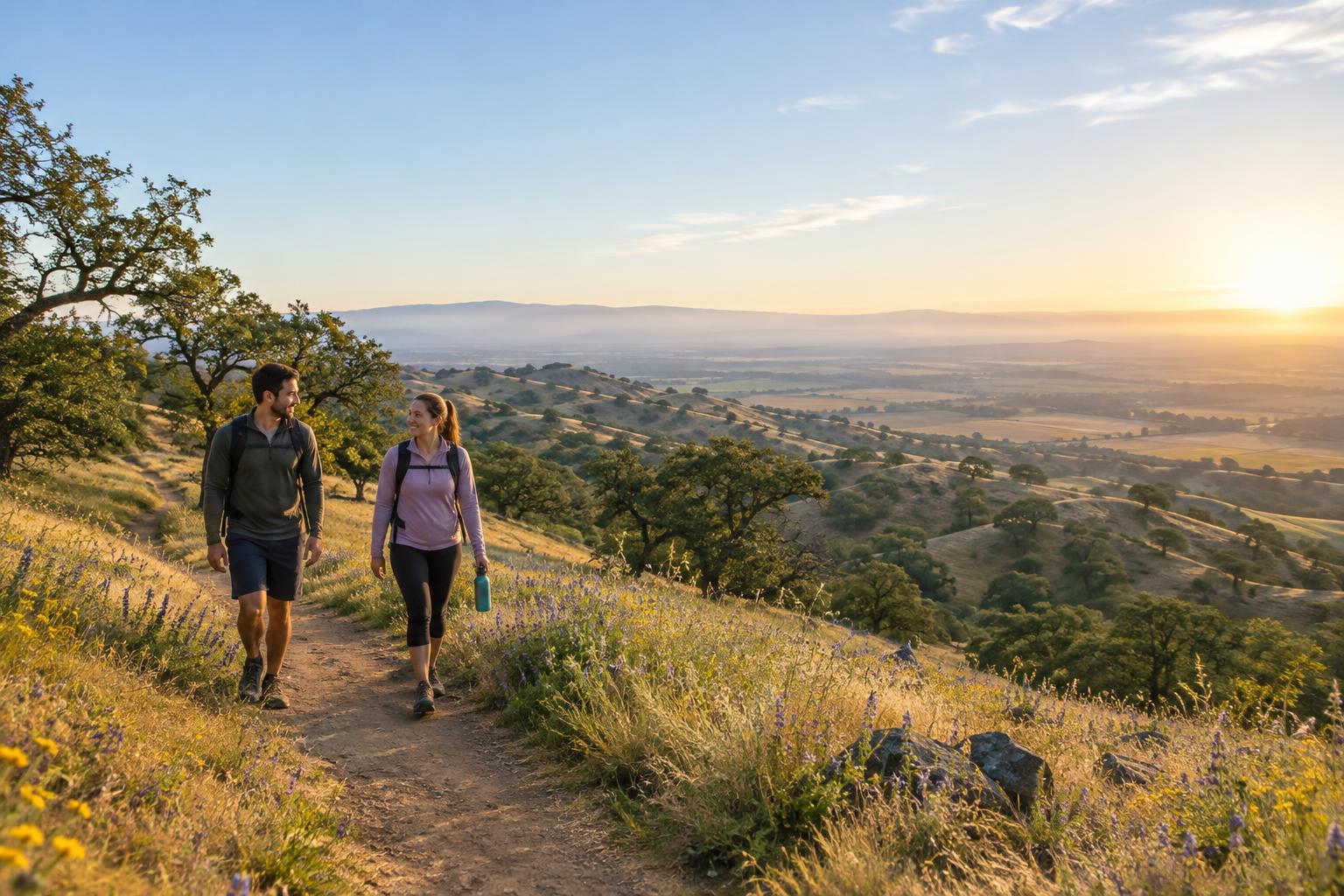
A first hike does not need a dramatic summit to feel memorable. Pause to notice how the landscape changes between a shaded bend and an open stretch, or how the valley looks from a little higher ground. Bring a simple picnic snack for a suitable stopping place, then take a moment to rest without blocking the trail. The freedom to linger is one advantage of choosing a manageable route.
When you return, make a few notes while the outing is fresh: what distance felt comfortable, whether you wanted more shade, and which items in your bag you used. That will help you choose the next trail with more confidence. Start small, pay attention to conditions and let each walk teach you what you enjoy about being outside in the Central Valley.