Choose a short route you can enjoy
For a first outing, pick a path segment that feels manageable rather than trying to cover a particular distance. Look for a convenient starting point, a place to turn around and a few spots where you can pause without blocking the path. If a map is available, check whether your route includes street crossings or stretches with limited shade. Knowing what to expect lets you spend less time navigating and more time getting comfortable on the bike.
Plan an out-and-back ride if you are unsure how far you want to go. You can turn around whenever your energy or interest changes, without having to complete a loop. Around the Central Valley, open stretches can feel quite different depending on the sun and wind, so a shorter ride with time for a rest may be more enjoyable than an ambitious one.
Give your bike and gear a quick check
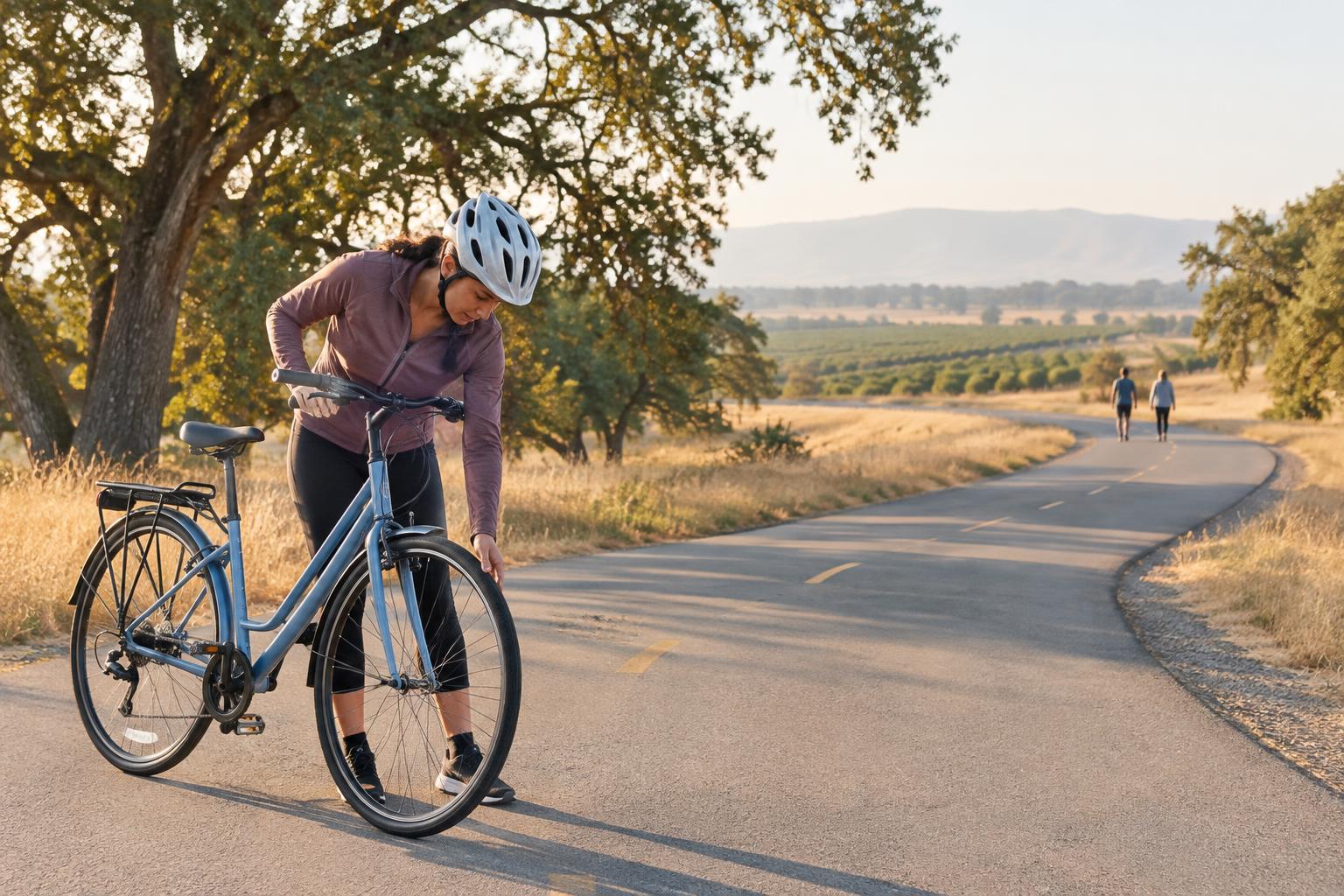
Before leaving home, make sure the tires feel firm and look for obvious damage. Squeeze each brake lever to check that the brakes respond, then take a slow test ride where you have room to stop. Check that the seat is secure and that nothing loose can catch in the wheels. If something feels wrong, address it before heading onto a busy path; the first ride is easier when you can trust the bike.
Wear comfortable clothes that allow you to pedal and shoes that stay securely on your feet. A properly fitted helmet is a sensible choice. Bring water, especially when riding in warm weather, along with a phone and any small items you normally need away from home. If your ride could extend into low light, check that your lights work and that you can be seen. Keep what you carry simple enough that it will not distract you or affect your balance.
Share the path at an easy pace
Shared-use paths may welcome people walking, rolling, running and cycling, sometimes with children or dogs alongside them. Start at a pace that gives you plenty of time to react. Keep to the side indicated by signs or markings, and leave room when passing. If you need to overtake someone, wait until you can see that the way ahead is clear, then give a calm verbal notice or use a bell before passing with space.
Expect other people to change direction or stop, even when the path looks straightforward. Slow down near groups, narrow areas and blind bends rather than relying on someone else to move aside. When you want to check a map, drink water or take in the view, pull off the travel area first. These small courtesies help everyone use the path without feeling rushed.
Treat crossings and entrances as fresh decisions
A path can feel separate from traffic until it reaches a road, driveway or parking-lot entrance. As you approach a crossing, reduce your speed, look in every direction and follow posted signs and signals. Do not assume a driver or another path user has seen you. If the crossing feels complicated, there is no shame in stopping, taking a moment and walking your bike across when it is appropriate to do so.
Use similar care where people enter the path from side trails or gathering areas. Give yourself enough room to stop comfortably, particularly if the surface has gravel, leaves or uneven patches. You do not need to ride fast to belong on a bike path. Predictable movements and attention to what is ahead matter more than speed.
Make room for comfort and curiosity
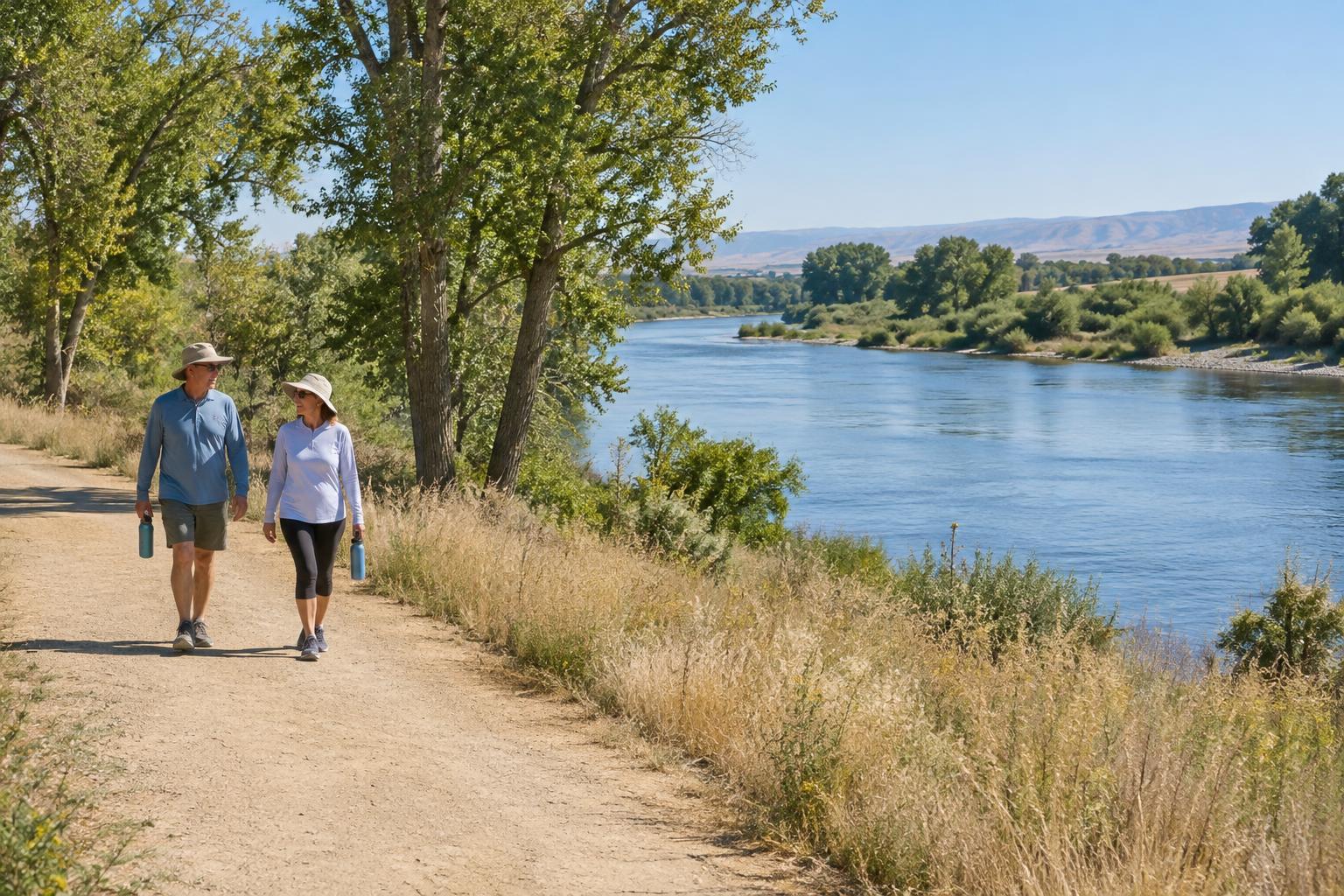
Check the forecast before you leave, then consider how the conditions will feel while you are moving. Sun exposure, heat and wind can make a ride more tiring than expected. On warm days, choosing a cooler part of the day and carrying enough water may help you enjoy the outing. Tell someone your general plan if you are riding alone, and allow extra time so that you never feel pressured to hurry back.
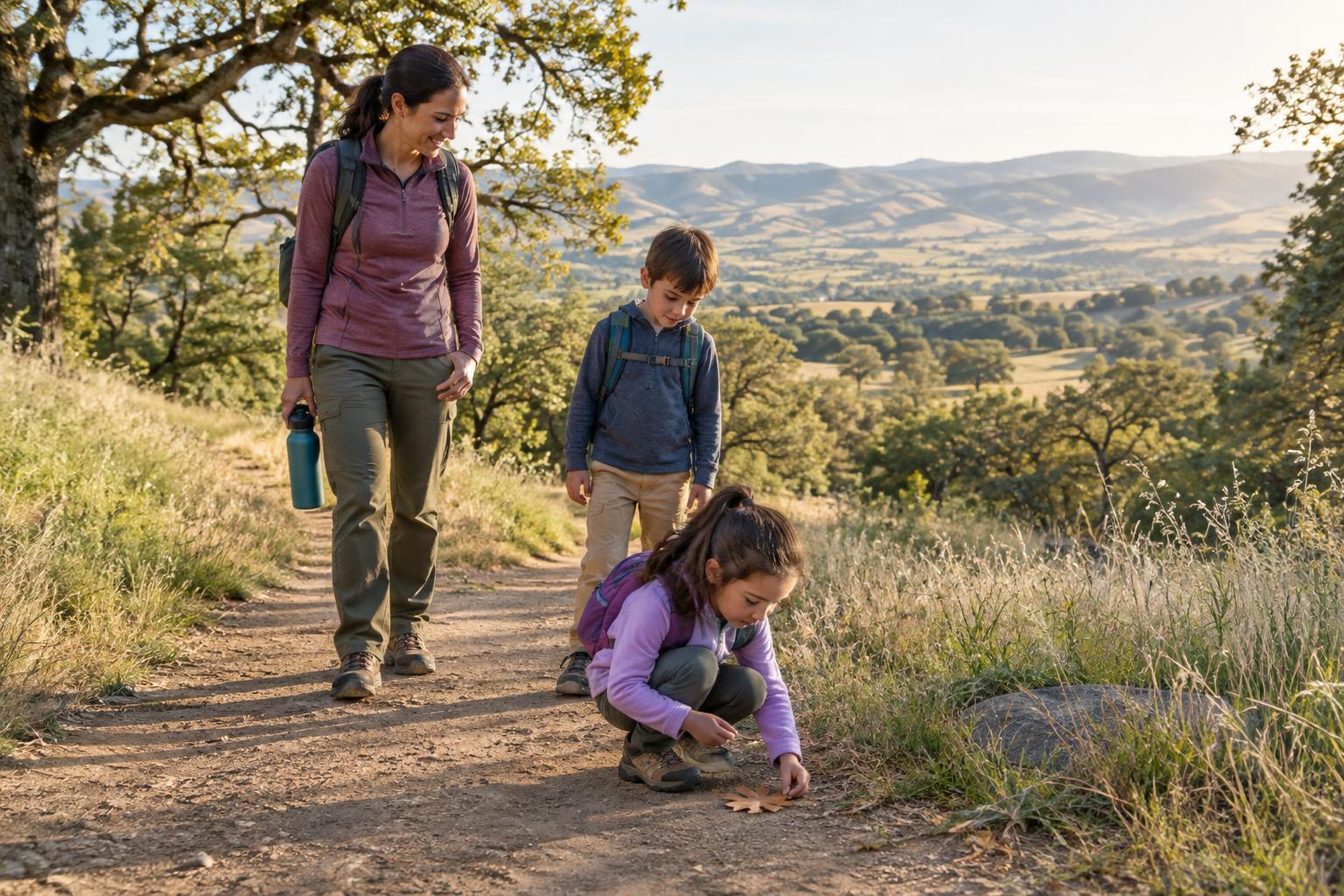
Your first ride can be as much about noticing the surroundings as it is about cycling. Pause off the path to look at a garden, watch birds from a respectful distance or simply enjoy a change of scenery. When you return, make a note of what worked: the distance, the time of day and any gear you wished you had brought. That is all the information you need to plan a next ride that feels even more like your own.