Choose a walk that leaves room to wander
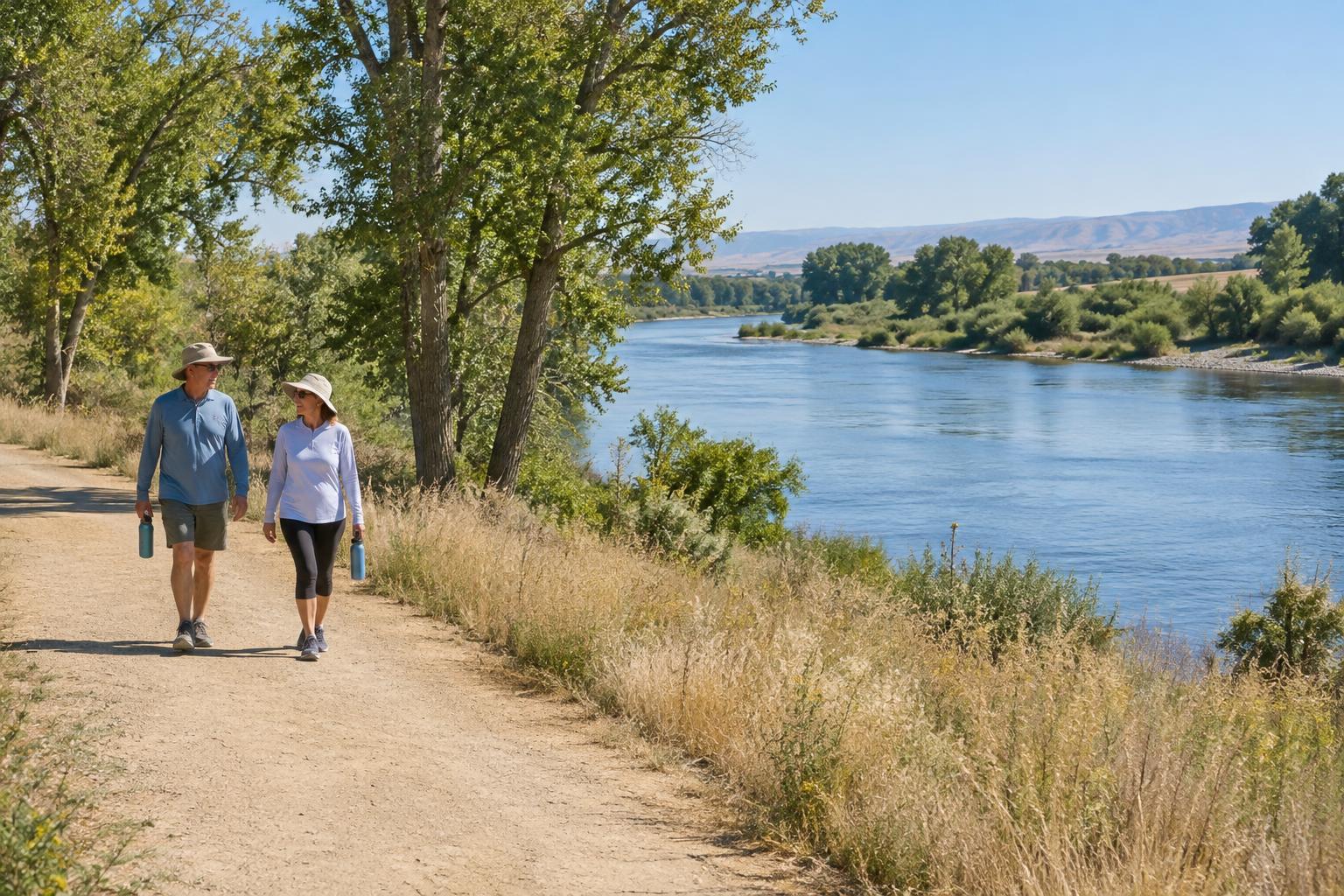
A nature walk with kids does not need a scenic destination to feel worthwhile. A neighborhood path with trees, a park loop or a short stretch beside open space can offer plenty to notice. In and around California’s Central Valley, even familiar places change with the season: grasses dry, leaves shift color and birds gather in different spots. Start with a route that lets you enjoy those small changes without feeling committed to a long outing.
Look for a clear path, a comfortable place to pause and an easy way to return to where you started. A loop can make the finish feel natural, while an out-and-back path lets you turn around whenever the group is ready. Consider the youngest walker’s usual pace rather than the distance an adult could cover. If you are trying a new place, a short first visit can help you learn where shade, restrooms or benches are before planning a longer walk.
Plan for comfort, not perfect conditions
A little preparation can make it easier to stay flexible. Bring water, a simple snack and clothing suited to the conditions, along with any supplies your family normally needs on an outing. Check the weather before leaving and pay attention to how exposed the route may be. Central Valley afternoons can feel very different from mornings, especially on paths with little shade, so choosing a cooler part of the day may make walking more pleasant.
Give everyone a chance to use the restroom before setting out, and decide where you will meet if your group briefly spreads out. On shared trails, remind children to leave space for cyclists and other walkers. These small plans do not have to become a long list of rules. Their purpose is to make the walk feel relaxed once you are outside.
Let curiosity set part of the pace
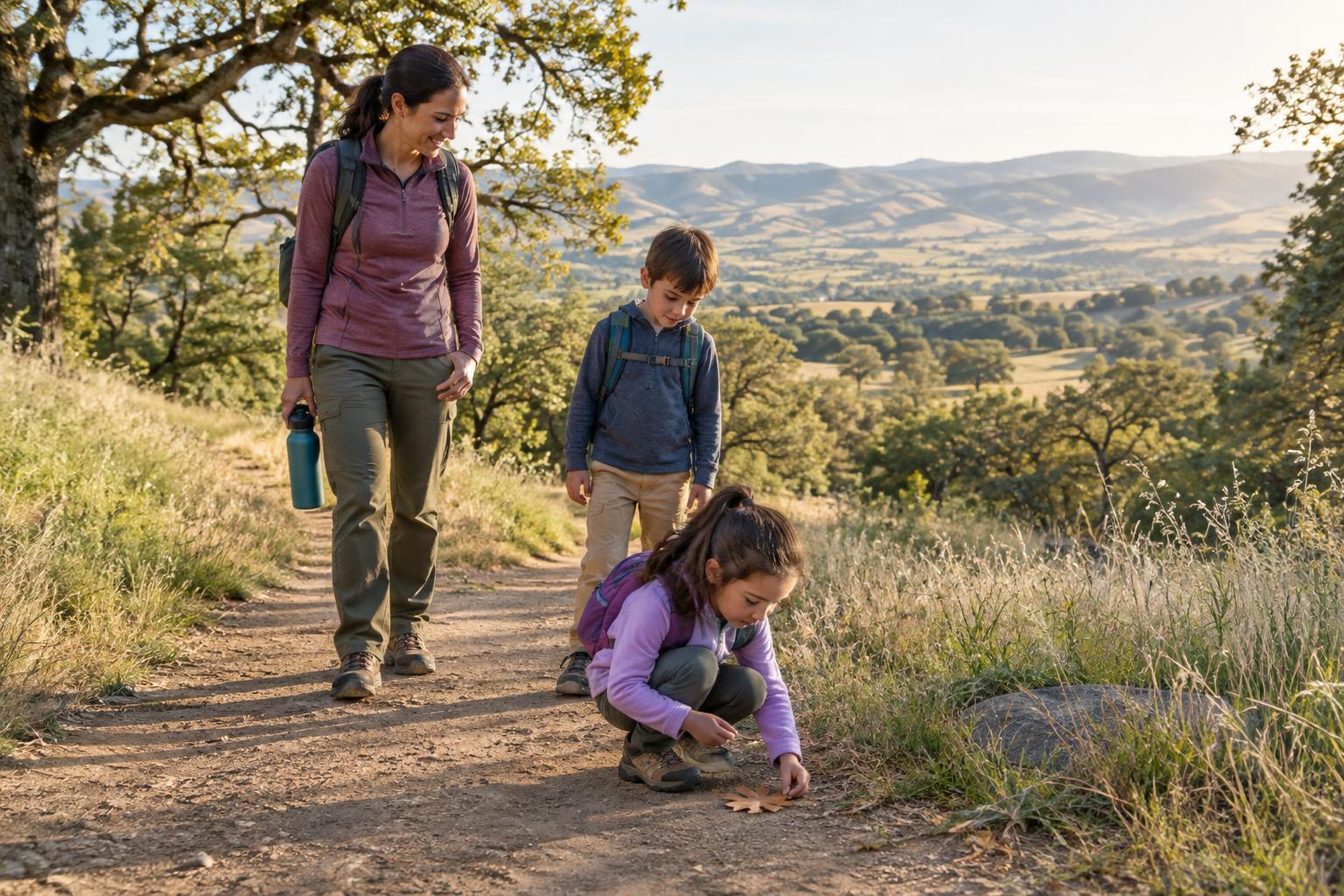
Adults often measure a walk by how far they go. Kids may measure it by the interesting stick near the trail or the line of ants crossing it. Allowing time for those stops can turn a slow pace into the point of the outing. Try asking open questions such as “What do you notice here?” or “What looks different from last time?” There is no need to identify every plant or bird. Looking closely together is enough.
If a little structure helps, offer a loose mission: find three different leaf shapes, listen for two kinds of sounds or look for signs that an animal has passed through. Keep the challenge easy to set aside if something else catches their attention. Encourage looking without pulling up plants or disturbing wildlife, and follow any posted rules about staying on paths or collecting natural objects.
Use breaks before anyone needs one badly
Short pauses can keep a walk enjoyable. A bench, a patch of shade or a safe spot beside the path is an invitation to drink water, share a snack or simply look around. Rather than saving every break for the halfway point, pause when the group finds something worth seeing. That gives younger walkers a rhythm of moving and resting without making the outing feel like a test of endurance.
It also helps to treat the return trip as part of the plan. If you are walking away from your starting point, consider turning back while everyone still has some energy. Tiredness, discomfort or fading interest are reasonable reasons to shorten a walk. Reaching a planned landmark matters less than getting home with everyone willing to try another outing.
Make a small walk feel complete
A satisfying ending can be simple. Before leaving, invite each person to name one thing they noticed: a bird call, a rough tree trunk, a view across a field or a cloud that looked unusual. On another day, you might bring a small notebook and let kids sketch what they saw after the walk. These habits give the outing a shape without requiring a destination or a packed schedule.
The best pace is one your family can enjoy together, and it may change from week to week. Some walks will cover ground; others will spend most of their time near the first stand of trees. Both count. By keeping routes modest, making room for breaks and following a child’s curiosity, you can turn an ordinary path into a place everyone looks forward to revisiting.