Choose the walk before you reach the water
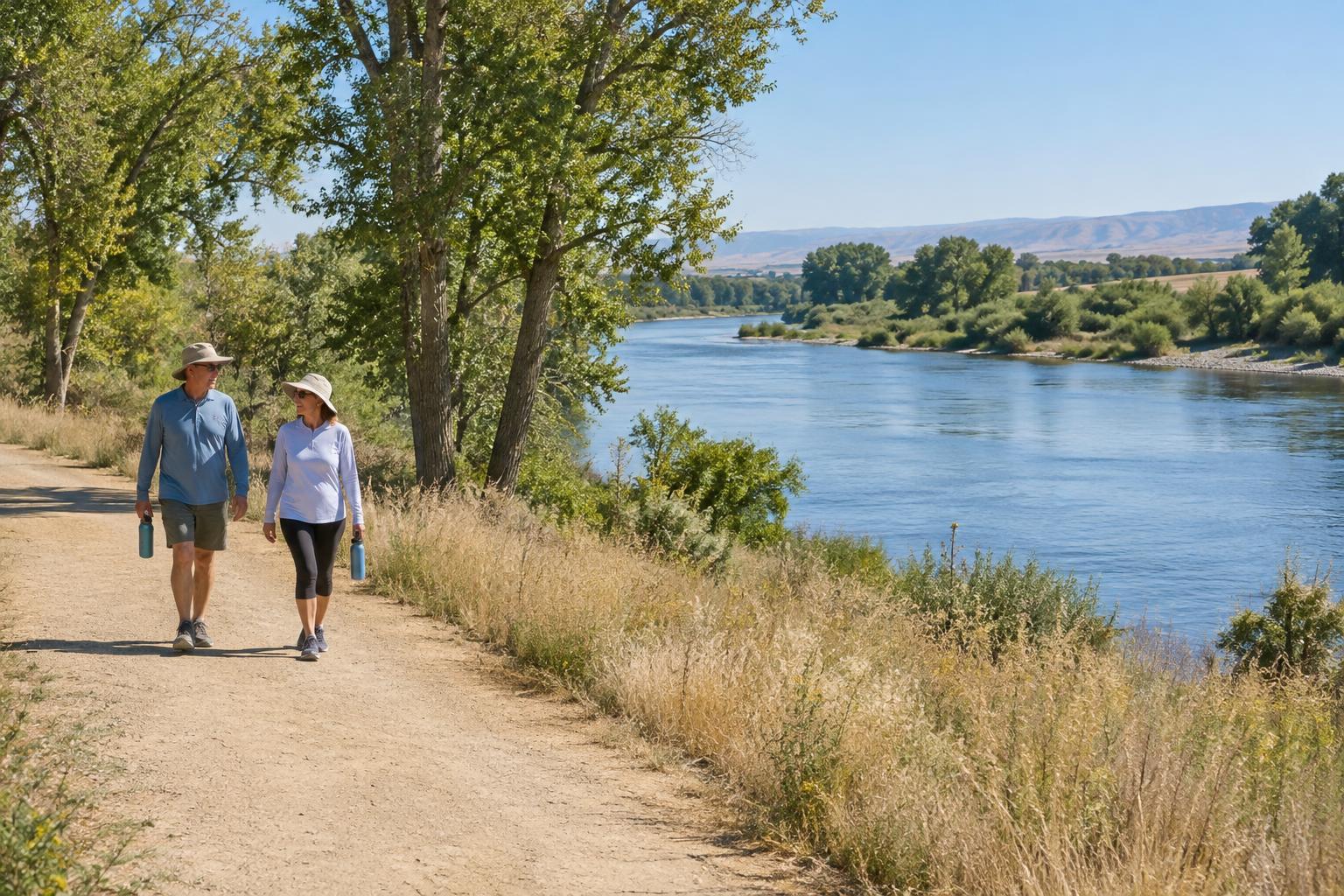
A river can make an ordinary walk feel like a small getaway: moving water, shade in some stretches, and plenty to notice along the path. It also asks for more attention than a neighborhood stroll. Start with a route you can comfortably finish, and look for a maintained public trail or designated access area rather than an inviting-looking gap in the vegetation. Respect posted closures, private property and signs about water access. A path beside a river is not necessarily a safe place to enter it.
Tell someone where you plan to walk and when you expect to return, especially if you are going alone. Bring a charged phone, water and footwear with reliable grip. A map saved for offline use can help where reception is weak. If you are walking with children or a dog, choose a route where you can keep them close without having to navigate a narrow bank.
Give the riverbank room
The firm-looking edge of a bank may be undercut by water. Loose soil, damp grass, exposed roots and smooth rocks can also give way or become slippery. Stay on established paths and keep well back from steep or eroded edges, particularly when stopping to take a photo. Avoid stepping onto logs or rocks at the waterline for a better view. If a stretch feels too narrow to pass comfortably, turn around rather than trying to squeeze through.
Keep children within easy reach and dogs under control. A dog that bolts toward the water can pull a walker off balance, while a child may not recognize an unstable edge. Give other trail users space when passing, and stop in a wide area if you want to watch birds or enjoy the view.
Treat water conditions as changeable
A calm surface does not reveal how fast water is moving underneath, how deep it is, or what obstacles lie below. River levels and flow can change, and familiar spots may look different from one visit to the next. Do not rely on a previous walk as proof that a bank, crossing or shallow-looking area is safe today. For a walk, the simplest plan is to enjoy the river from land and avoid crossing or wading.
If your route appears flooded, muddy or washed out, find a safe way back rather than testing the ground ahead. Stay away from debris caught at the edge, where footing can be awkward and the water difficult to judge. After rain or during periods of higher flow, give the river extra space even if the trail itself seems dry.
Plan for sun, heat and a comfortable return
Central Valley walks can feel warmer on exposed sections than they did at the trailhead. Check the forecast before leaving, carry enough water for your group, and consider an earlier or shorter outing when heat is a concern. A hat, sun protection and light layers can make the walk more comfortable. Shade along a river may be patchy, so do not count on finding it exactly when you need a break.
Set a turnaround point before anyone is tired. Take breaks in safe, open spots away from the bank, and notice how everyone in the group is doing. If someone feels unwell, stop the walk and seek appropriate help rather than pressing on to reach a planned destination. Packing out snacks and litter helps keep the path pleasant for the next walkers and protects the river corridor.
Know what to do if something goes wrong
Before walking, identify the trailhead name or another clear location you could give to emergency responders. If someone falls into the water, call emergency services as soon as you can. Do not jump in after them: moving water and unstable footing can put a second person at risk. From a secure position, you may be able to direct them toward a safer exit or extend or throw something that floats, but only if doing so does not put you near the edge.
A good riverbank walk is not measured by how close you get to the water. Choosing a suitable path, leaving room at the edge and being willing to turn back make it easier to enjoy the scenery without taking unnecessary risks.