Start with a clear, welcoming idea
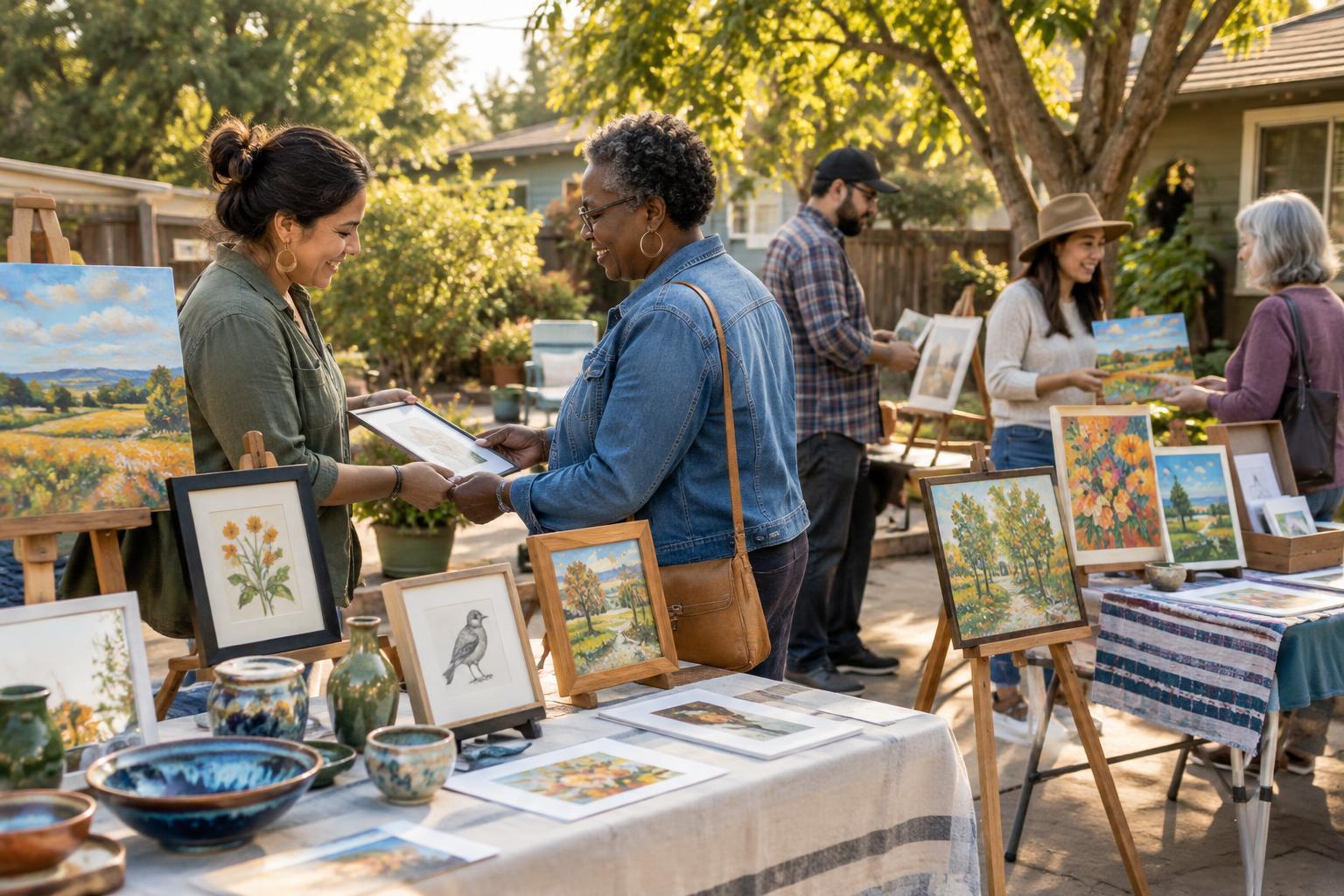
A neighborhood art swap is a gathering where people bring creative work they are ready to part with and leave with something made by someone else. It can include paintings, prints, photographs, ceramics, textiles, handmade cards, or small sculptures. The point is not to judge whose work is worth more. It is to share what people have made, make room at home, and meet neighbors through art.
Decide on the scope before inviting anyone. Will the swap be for original work only, or will you also accept art supplies and frames? Can children contribute? A broad invitation can be fun, but a few clear boundaries make the day easier to run. For a first event, consider limiting contributions to pieces one person can carry and display without special equipment. Ask participants to bring work that is clean, dry, safe to handle, and theirs to give away.
Keep the invitation open to beginners as well as experienced artists. Someone who makes a single collage at the kitchen table should feel as welcome as someone who has filled a sketchbook. If a neighbor wants to attend without bringing anything, you can invite them to browse after the main exchange, help with setup, or simply enjoy the conversation.
Choose a place and explain the plan
A community room, covered patio, shared courtyard, or spacious living room can work well. Look for enough table space to spread pieces out without stacking them, plus a path people can navigate comfortably. If you plan to meet outdoors in the Central Valley, think about sun, wind, and heat when choosing the time and layout. Clips, weights, and shade can make a big difference for paper work and for guests.
Before confirming the space, check its rules and ask permission if needed. Then send a short invitation with the location, start and end times, what kinds of work to bring, and how the exchange will happen. A simple note about parking, step-free entry if available, and nearby transit options helps guests plan. Give people a way to ask questions privately, especially if they are unsure whether a piece fits the guidelines.
You do not need a large committee, but one or two helpers can greet arrivals, label tables, and answer questions. If refreshments are part of the gathering, keep them away from the art. Water and a few easy snacks are plenty; hosting should not become a barrier to organizing the swap.
Pick an exchange method that feels fair
The simplest method is a browsing period followed by an exchange. As guests arrive, give each person one token per eligible piece they contribute. Once everyone has had time to look, invite guests to use their tokens to claim pieces. If several people want the same work, draw a name rather than asking anyone to argue for it. Set a modest contribution limit so one person does not fill the tables or take home most of the art.
Tokens are not the only option. For a smaller group, participants can take turns choosing one piece at a time until everyone has had a chance. Either way, explain the method before the swap begins and leave a few minutes for questions. Do not assume people want to negotiate directly over work they made; letting a host manage the process can take the pressure off.
A label beside each piece can list its title, medium, and maker, if the maker wants to be named. It should also say whether the piece has any handling needs, such as a fragile frame. Let contributors decide whether they want to share a story about their work. Respect a no when someone does not want their art photographed or posted online.
Make the space easy to browse
Arrange tables by size or medium rather than by perceived quality. Leave breathing room around fragile pieces and provide a separate spot for unframed paper work, such as a folder or flat tray. A few pieces of scrap paper and pens let guests mark claims or write a note for a new owner. You can also set out reusable bags or ask attendees to bring one for carrying their choices home.
Make room for conversation without requiring it. A small sign with prompts such as “What did you enjoy making?” or “Where might this piece live?” can help people start talking, but quiet browsing is welcome too. If children attend, give them a clear area for their contributions and let adults know whether a caregiver should stay with them. The goal is a relaxed exchange, not a crowded competition.
If you expect a wide range of work, a separate free-to-take table can help with pieces that do not fit the token system, such as extra sketches or gently used supplies. Label it clearly so no one mistakes an unclaimed swap piece for a giveaway.
Close with care and leave room for next time
Decide what will happen to unclaimed work before the event. The fairest default is to return it to its maker. Ask contributors at check-in whether they prefer to take leftovers home or offer them to a specific local group that has agreed to receive them. Do not promise a donation destination without asking first; not every organization can use every kind of art.
Near closing time, announce a final browsing round, then give people enough time to pack their pieces safely. Check tables and walls for labels, hooks, and tape, and leave the space as you found it. A brief thank-you message afterward can invite practical feedback: Was the exchange easy to understand? Was there enough room to browse? What would make another gathering more comfortable?
A successful neighborhood art swap does not need a big turnout or polished work. If a few people find a piece they love and learn the name of a neighbor, the gathering has done its job. From there, you can decide together whether to make it a seasonal tradition or keep it as a one-time afternoon well spent.