Start with meals you already like
The best pantry is not a checklist of everything a well-stocked kitchen could hold. It is a collection of ingredients you will actually turn into dinner. Before shopping, think of three or four meals you enjoy making on a busy night: perhaps a pot of beans over rice, pasta with vegetables, a quick soup, or eggs with toast and a salad. Look for the ingredients those meals share. Buying around that overlap keeps the pantry useful without filling shelves with one-recipe purchases.
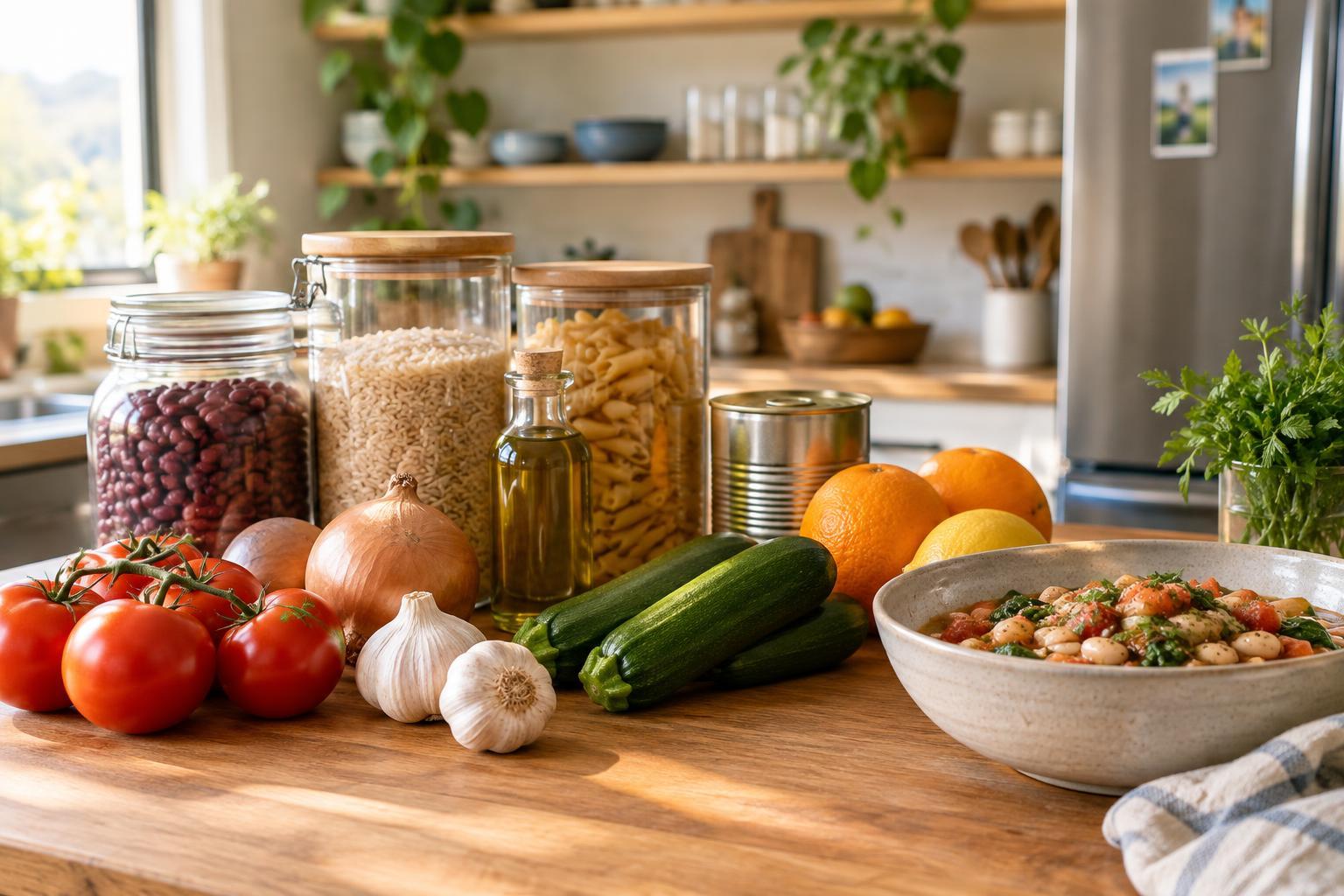
For a Central Valley-inspired approach, leave room for produce to lead. Tomatoes, squash, greens, peppers, citrus and stone fruit can each shape a meal when they suit the season and your budget. The pantry’s job is to provide a reliable base and enough flavor that you can cook with what you find, rather than needing the same fresh ingredients every week.
Choose a small set of dependable staples
Pick one or two grains you cook often, such as rice, quick-cooking oats or couscous, along with a pasta shape you like. Add tortillas or bread when you have a plan to use them, rather than treating them as shelf-stable backups. Canned beans and lentils are convenient for fast dinners; dried beans can be economical if you have time to cook a batch. Canned tomatoes make a useful starting point for sauces, soups and skillet meals when fresh tomatoes are not on hand.
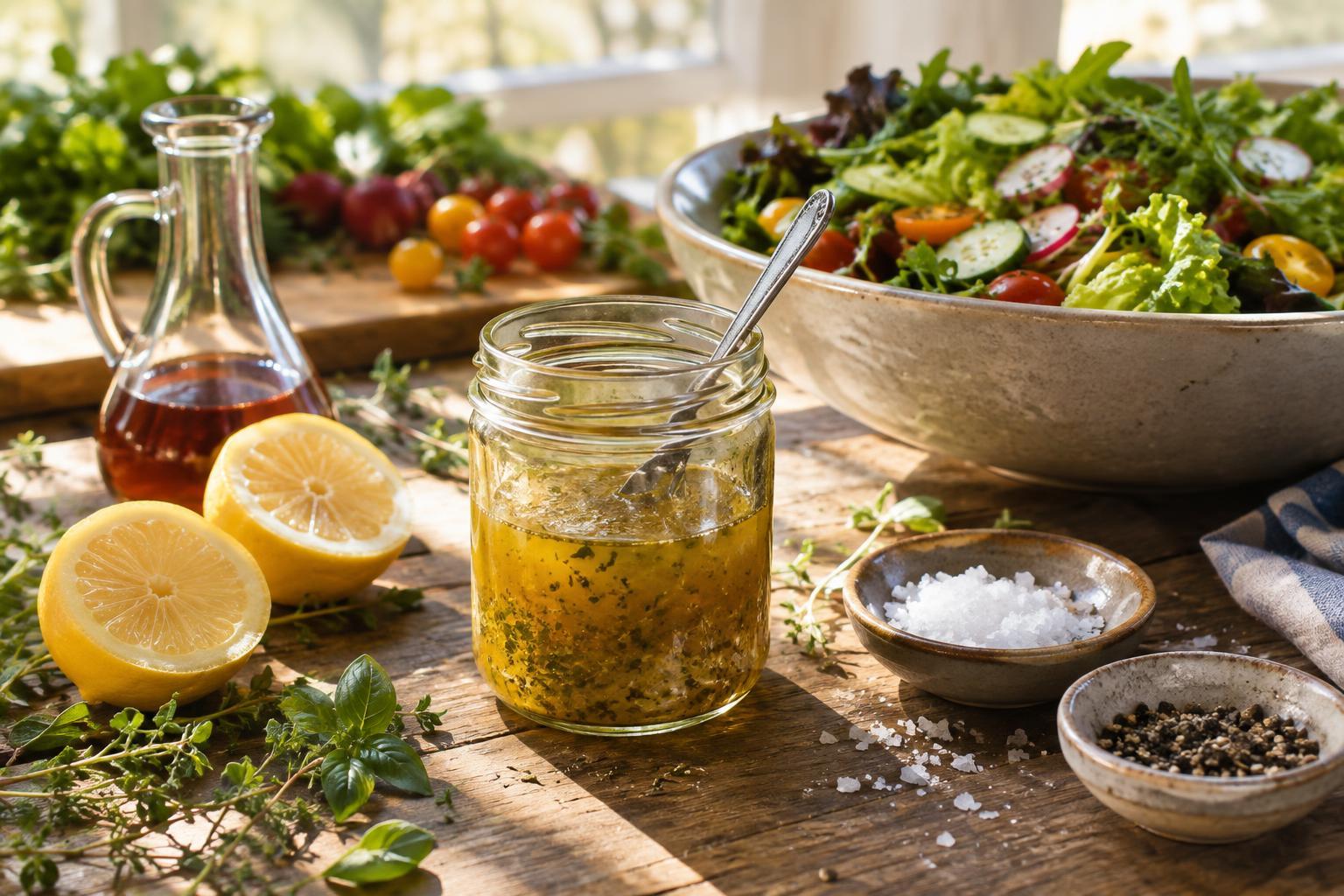
A modest flavor shelf can do more work than a crowded spice rack. Keep a cooking oil, an acid such as vinegar, salt, black pepper and a few seasonings you reach for regularly. Chili flakes, cumin, dried oregano or garlic powder offer different directions without requiring a special sauce for every dish. If you enjoy them, nuts or seeds can add crunch to vegetables, grain bowls and salads. Buy amounts you can use while their flavor is still good.
Give the refrigerator and freezer supporting roles
A pantry works harder when a few refrigerated ingredients can finish a meal. Eggs, plain yogurt, a firm cheese or a jar of pickles can add substance, creaminess or brightness, depending on what your household eats. On shopping day, choose a mix of produce with different keeping qualities. Tender greens may be best used early, while carrots, cabbage or citrus can often wait longer when stored appropriately.
The freezer is especially helpful when fresh plans change. Frozen vegetables can go straight into soups, fried rice or pasta, and frozen fruit can become a simple breakfast topping. If you cook extra rice, beans or sauce, freeze portions in amounts you would use for one meal. Label them so the contents do not become a guessing game. Keeping these backups makes it easier to enjoy fresh produce when you have it without depending on a perfectly timed grocery trip.
Build dinners from a few repeatable patterns
Try a grain bowl: start with rice or another grain, add beans or an egg, then pile on cooked or raw vegetables. Finish with something sharp, such as vinegar or a squeeze of citrus, and something crisp if you have it. The same ingredients can become a skillet meal by warming the beans and vegetables together with cumin or chili flakes, then serving them in tortillas.
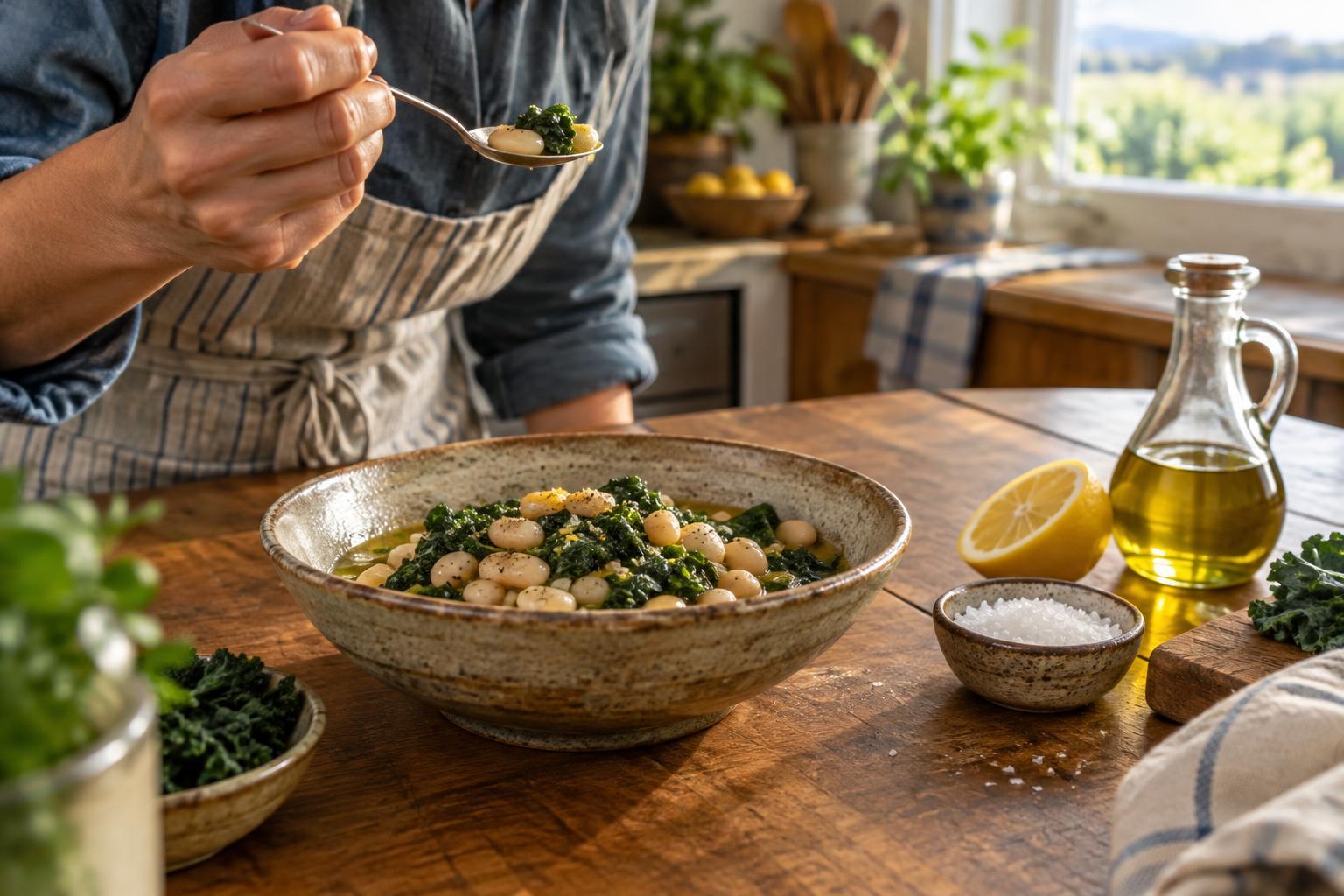
For another pattern, simmer canned tomatoes with water or broth, beans and vegetables to make a flexible soup. Pasta offers a similar route: cook it, sauté whatever vegetables need using, and toss everything with oil, a little pasta water and cheese or herbs if available. These are frameworks, not fixed recipes. They let a bunch of greens, a pepper or half an onion become dinner rather than an ingredient waiting for the right occasion.
Keep the system easy to maintain
Before making a shopping list, take a quick look at the shelves, refrigerator and freezer. Choose one ingredient that needs using soon and plan a meal around it. Then replace only the staples you have opened or nearly finished. A short list based on real gaps is often more useful than buying a fresh set of ingredients for every dinner.
Store dry goods in closed containers in a cool, dry place, and follow package guidance for anything opened. Keep older purchases toward the front where you will see them. Over time, notice which staples disappear quickly and which ones linger. A good home-cooking pantry is allowed to change: its purpose is to make an ordinary weeknight meal feel possible, with enough flexibility to welcome whatever produce you bring home.