Start with the kind of arts experience you care about
Community arts organizations take many forms: small galleries, theater groups, music programs, neighborhood festivals, youth workshops and collectives that share creative space. In and around California’s Central Valley, an afternoon at an exhibition or an outdoor performance can be a simple way to get acquainted. Notice which experiences make you want to stay longer, ask questions or bring a friend. That curiosity is a useful starting point for choosing where to volunteer.
You do not need to be an artist. Arts groups often need people who enjoy welcoming visitors, arranging chairs, checking supplies or helping an event run smoothly. If you have a particular skill, such as photography, writing or organizing, you can mention it. Be just as ready to ask what help would be useful. The organization’s needs may differ from the role you first imagined.
Find an organization and learn how it works
Begin with places you can realistically reach and causes you would like to support. Local libraries, community centers, event calendars and conversations with artists can point you toward groups to explore. Look at an organization’s own information for its purpose, upcoming activities and volunteer contact. Attending a public event before signing up can help you understand its pace and see how volunteers interact with guests and staff.
When you make contact, introduce yourself briefly and ask whether the group is accepting volunteers. Share your general availability, interests and any relevant experience without assuming there is an immediate opening. You might ask what a typical shift involves, who coordinates volunteers, whether training is provided and how far ahead schedules are set. If the group works with children or handles equipment, it may have additional requirements; ask about those before committing.
Choose a role you can do reliably
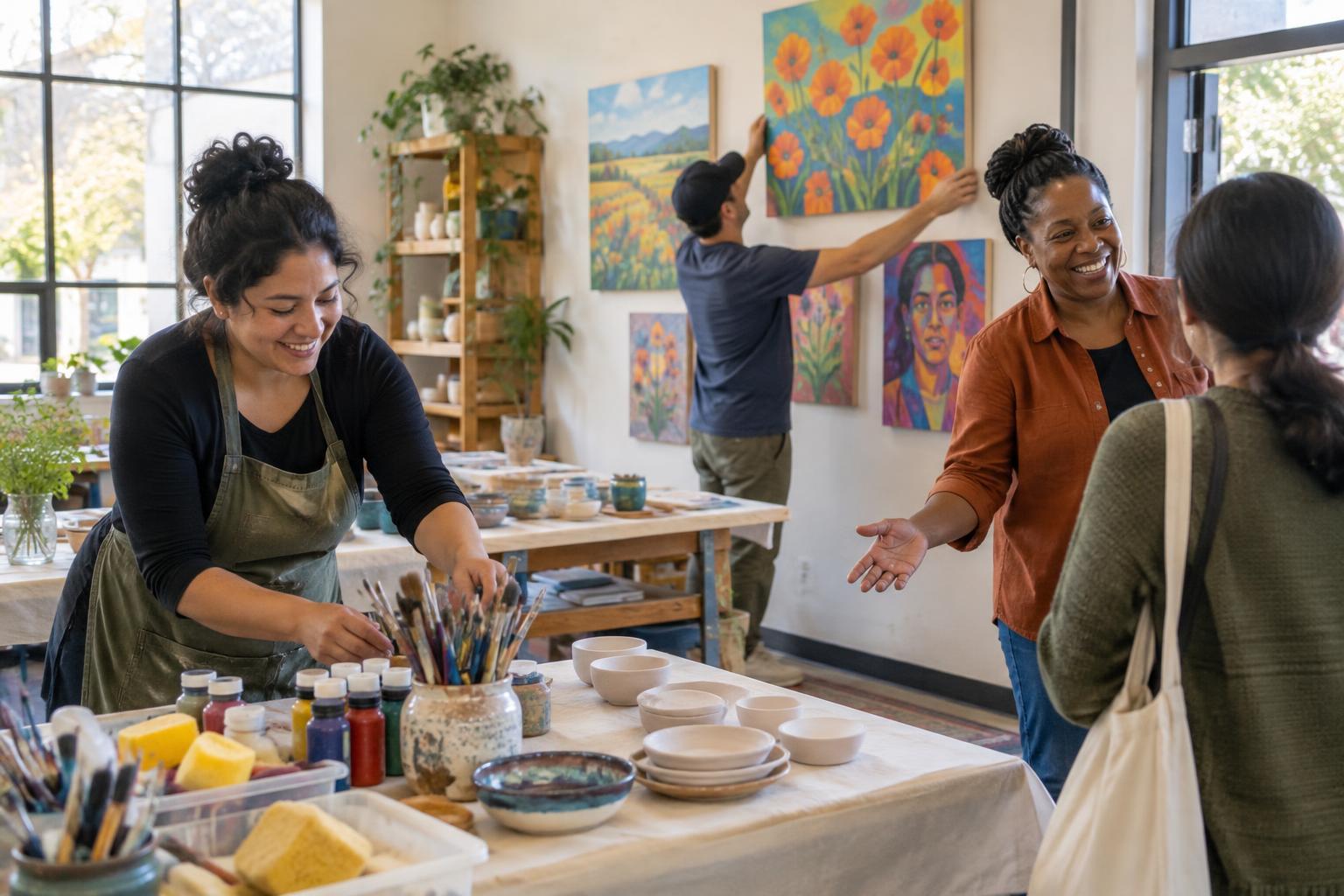
Event help is an approachable entry point. Volunteers may greet guests, distribute programs, guide people to the right room or help tidy up afterward. Other roles happen behind the scenes, such as preparing materials for a workshop, sorting donated supplies or assisting with routine communications. Some tasks call for specific experience, while others mainly call for attention, patience and a willingness to follow directions.
Choose a commitment that fits your schedule, including travel and setup time. A short shift you can attend consistently is more useful than an ambitious promise you struggle to keep. Before your first day, confirm where to meet, when to arrive, what to wear and whom to contact if plans change. If you need an accessible workspace or have limits on lifting, standing or time outdoors, discuss them in advance so you and the coordinator can find a suitable task.
Support the people as well as the event
A welcoming volunteer can shape a visitor’s experience without becoming the center of it. Learn the basics you need to answer common questions, and ask a coordinator when you are unsure. Follow the group’s guidance on photography, sharing information and interacting with participants. At a youth workshop or community gathering, respecting boundaries and letting the people running the program lead is part of doing the job well.
It also helps to stay flexible. A craft table may need restocking, an entrance may get busy or a planned task may no longer be necessary. Offer to help where needed, but check before changing a process. After a shift, share useful observations with your contact person: which directions confused guests, which supplies ran low or what made the day easier. Specific, considerate feedback can help with the next event.
Build a lasting connection at a manageable pace
After a few shifts, consider what you enjoyed and what drained your energy. You may prefer the lively rhythm of performances, the steady work of preparing workshops or a recurring administrative task. Let the coordinator know what you can sustain. If your availability changes with work, family or the season, say so early. Clear communication makes it easier for a small team to plan.
Volunteering can also deepen the way you experience your community. You get to see the care behind a show or gathering and meet neighbors with different creative interests. That connection does not require a packed calendar. Showing up when you say you will, doing the assigned work thoughtfully and making room for others are meaningful ways to support a local arts organization.