Plan for the gathering you are actually having
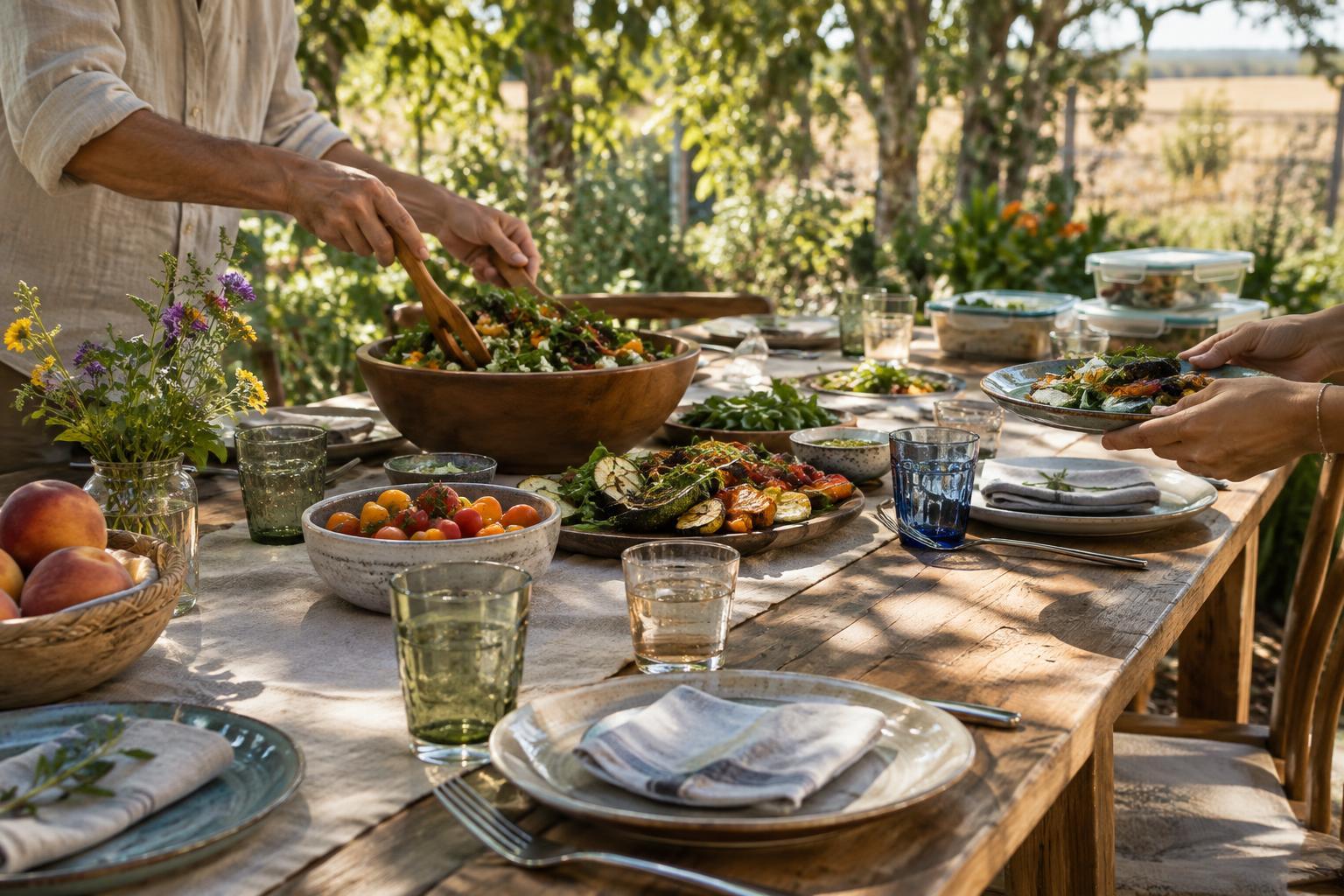
Low-waste hosting begins before anyone arrives. Think about how guests will eat: seated at a table, moving around a patio or serving themselves from a buffet. That choice helps you set out the right number of plates, glasses and serving utensils without preparing for every possible scenario. A menu with a few shared dishes is often easier to portion and pack away than a spread of individually wrapped items.
Choose ingredients you can use again if plans change. A platter of seasonal Central Valley produce can become tomorrow’s salad or a snack; bread can accompany the meal and then be saved for toast. Keep dressings and toppings separate so guests can make their plates their own and uneaten portions remain more versatile. Leave room in the plan for an easy backup dish rather than cooking extra of everything just in case.
Make reusable tableware feel effortless
You do not need a matching set to serve a good meal. Combine everyday dishes with sturdy pieces borrowed from a friend, or use smaller plates for appetizers and larger ones for the main course. Put glasses and a water pitcher where guests can refill them. If you have enough glasses but worry about mix-ups, simple drink markers or a designated spot for each person’s glass can help.
Set up the kitchen for the return trip before guests arrive. Clear a section of counter for used dishes, empty the dishwasher if you have one and keep a tub handy for soaking utensils. Cloth napkins are pleasant to use, but clean kitchen towels can work for an informal meal, too. Choose what you can comfortably wash afterward; a manageable reusable setup is more useful than an elaborate one that makes hosting feel like a chore.
Serve generous food without guessing wildly
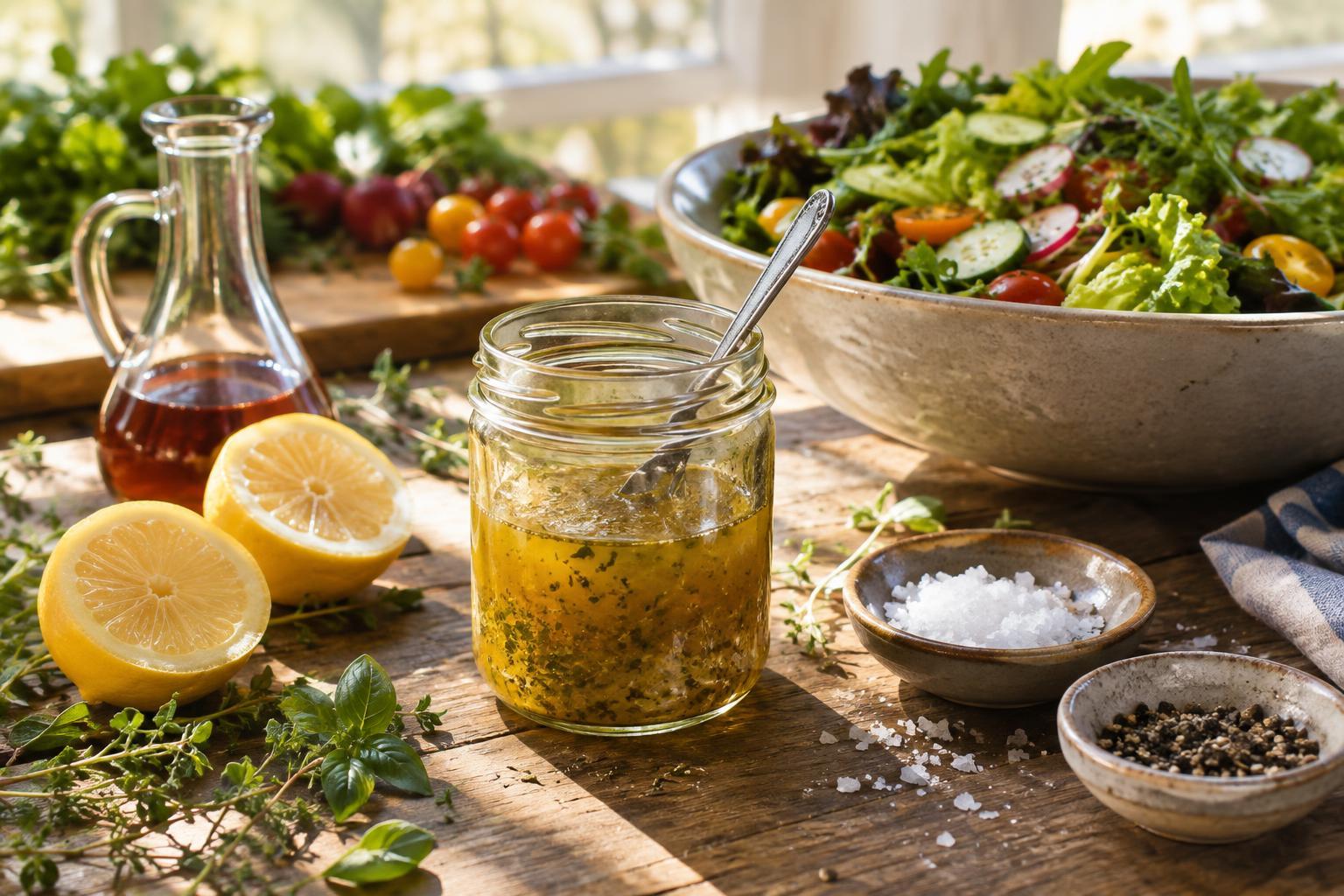
Generosity does not require putting every prepared dish on the table at once. Start with a sensible amount and replenish platters as needed. This keeps the serving area tidy and leaves a better chance of having untouched food to save. Offer sauces and delicate garnishes on the side, especially for salads, grilled vegetables or grain dishes that might otherwise become soggy.
Give guests a clear, friendly way to help themselves without pressure to finish everything. Serving spoons and a few different plate sizes make it easier to take a little first and return for more. If people ask what to bring, invite something that fits the menu or ask for help with ice or a serving bowl. Coordinating contributions can prevent several versions of the same dish from arriving unexpectedly.
Give leftovers a destination
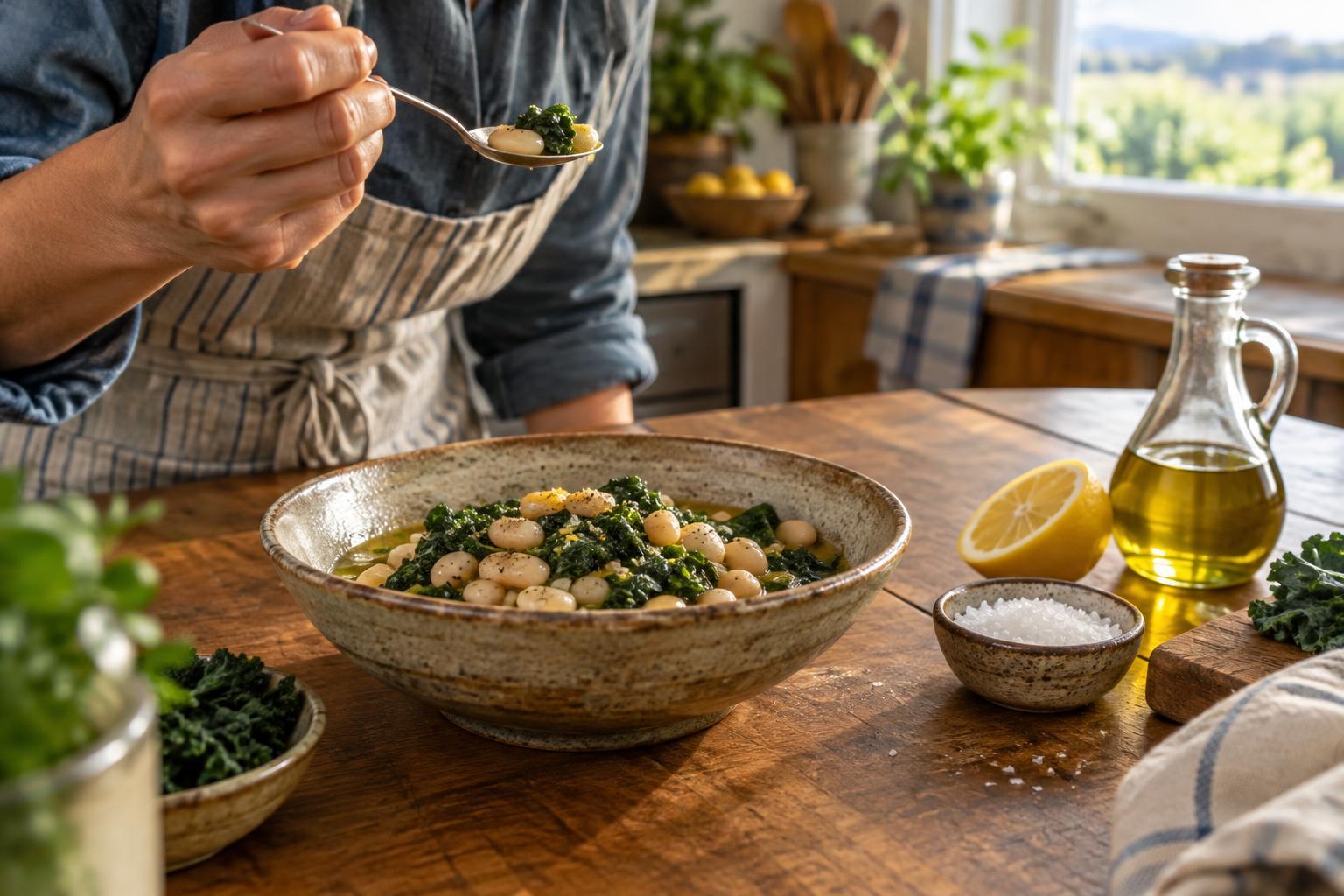
Before the gathering, make room in the refrigerator and gather clean containers with lids. Once the meal winds down, put away perishable food promptly rather than letting it linger on a warm table. Pack components separately when practical: vegetables, grains and dressings are easier to turn into another meal when they have not all been mixed together. Labeling a container with its contents can save guesswork later.
Offer take-home portions only after you have a sense of what remains and what guests would genuinely like. Reused jars or washed containers can be handy for sturdy foods, provided they are suitable for the job; ask guests to bring a container if that fits the occasion. Keep a portion for yourself with a plan to eat it. A leftover is most useful when it already has a likely next meal, whether that is a sandwich, a simple bowl or a side dish.
Clean up in a few calm passes
Create three obvious destinations as the evening ends: dishes to wash, food to store and waste to sort according to local options. Scrape plates before washing, and keep any compost collection separate from packaging if composting is available to you. A clear setup makes it easier for a guest who offers to help without turning the final hour into a complicated sorting project.
Finish the essentials first: store food, clear the table and deal with items that need soaking. The rest can follow at a comfortable pace. Afterward, notice what worked. Perhaps you needed fewer appetizers, more serving spoons or a better place for used napkins. Small adjustments make the next gathering easier, which is the best reason to build habits you will want to repeat.